

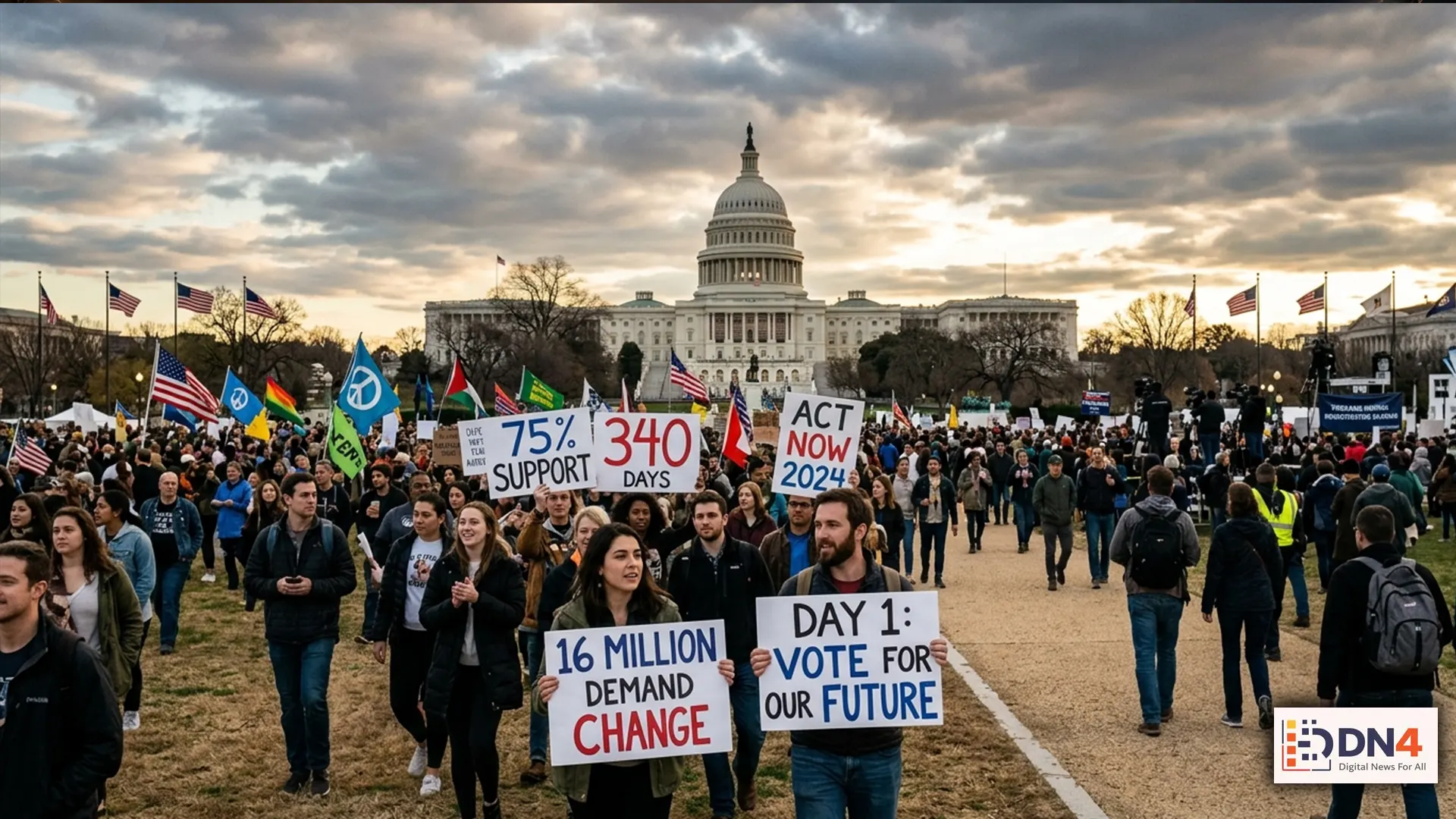
Political demonstrations often create powerful visual symbols that capture public attention. From signs and flags to numbers and coded messages, protest symbols can become part of larger conversations about identity, movements, and public expression.
Recently, the appearance of the number sequence “8647” connected with discussions surrounding events at the National Mall in Washington, DC has sparked curiosity online. Many observers have questioned what the number represents and why it has attracted attention.
However, like many symbols used during protests, the meaning behind a specific phrase, number, or image can depend on context, the people using it, and the message they intend to communicate.
Why Symbols Matter During Protests
Throughout history, protest movements have used symbols to communicate ideas quickly. A simple image, color, phrase, or number can represent a broader message for participants and supporters.
The Smithsonian Institution has documented how cultural symbols influence public movements, political expression, and social change.
Symbols can serve several purposes:
- Creating group identity
- Communicating messages visually
- Building recognition online
- Representing shared experiences
- Encouraging public discussion
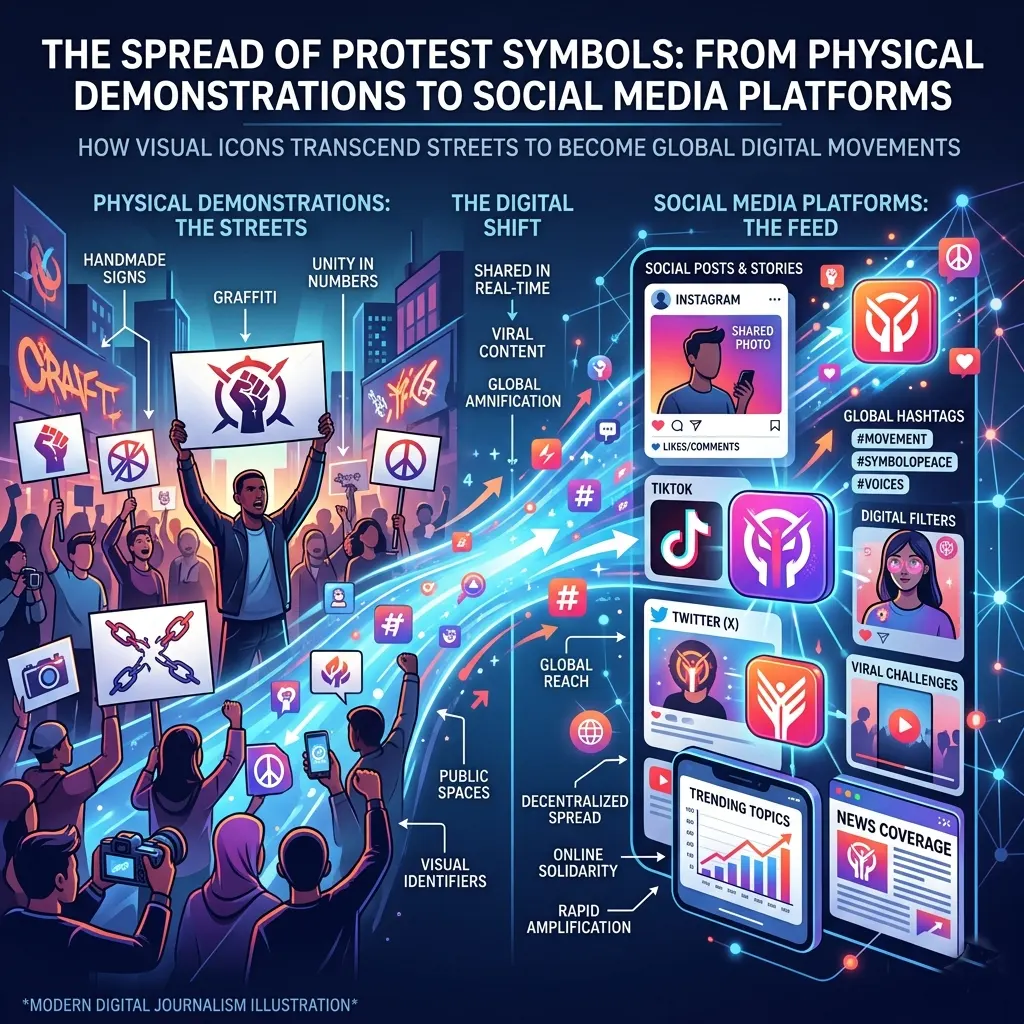
The National Mall as a Stage for Public Expression
The National Mall has long been one of the most recognizable locations for demonstrations, political gatherings, and historic public events in the United States.
Located near major landmarks including the National Mall and Memorial Parks, the area has hosted events connected to civil rights, politics, advocacy, and public debate.
Because of its historical importance, symbols displayed at the National Mall often receive national attention.
Understanding the “8647” Discussion
Online discussions about protest symbols can spread rapidly, but digital conversations do not always provide complete context. A number or phrase may have different interpretations depending on who created it, where it appeared, and how it was used.
Journalists and researchers often examine the origin, usage, and surrounding circumstances before assigning meaning to a symbol.
Organizations such as Pew Research Center study how information spreads online and how audiences interpret political communication.
How Social Media Changes Protest Conversations
Social platforms have transformed the way protests are documented and discussed. A single image from a demonstration can reach millions of people within hours.
Platforms including X and other social networks allow participants, journalists, and observers to share interpretations instantly.
This speed creates both opportunities and challenges. While social media helps document events, it can also create confusion when information spreads without verification.
The Role of Fact-Checking in Political Discussions
Understanding political symbols requires careful examination of reliable sources, direct evidence, and historical context.
Fact-checking organizations such as FactCheck.org and PolitiFact regularly analyze claims connected to political events and public discussions.
Why Protest Symbols Continue to Influence Culture
Whether a symbol appears on a banner, poster, social media post, or public installation, it can become part of a larger cultural conversation.
The discussion around “8647” demonstrates how modern protests are shaped not only by physical gatherings but also by online interpretation and public debate.
The mystery surrounding “8647” highlights a broader reality of modern protests: symbols can quickly become powerful conversation starters. Understanding their meaning requires looking beyond viral posts and examining reliable context.
As public demonstrations continue evolving in the digital age, symbols will remain an important part of how movements communicate, organize, and influence public discussion.
#8647 #NationalMall #DCProtests #WashingtonDC #PoliticalSymbols #ProtestCulture #USPolitics #SocialMovements #BreakingNews #TrendingNews