

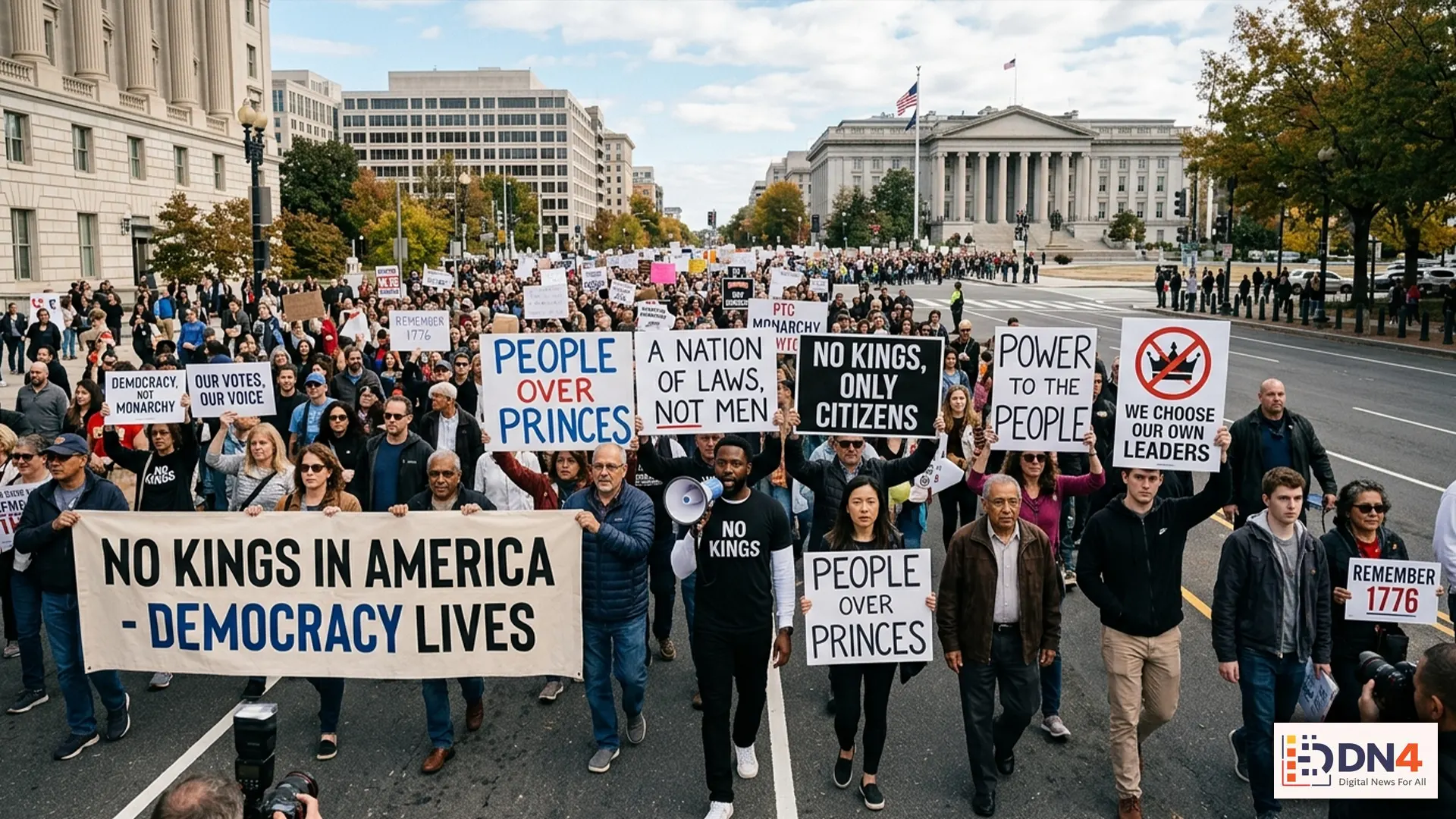
Across the United States, the phrase “No Kings” has become a powerful symbol in a growing wave of political demonstrations focused on questions of democracy, leadership, and government accountability. The movement has drawn attention because of its historical language, broad coalition of participants, and message centered on limiting concentrated power.
The phrase itself carries a long historical meaning. For many participants, “No Kings” represents the idea that elected governments should remain accountable to citizens rather than operate through unchecked authority. Supporters view the demonstrations as a defense of democratic principles, while critics have debated the movement’s messaging, organization, and political goals.
The Origins Behind the No Kings Movement
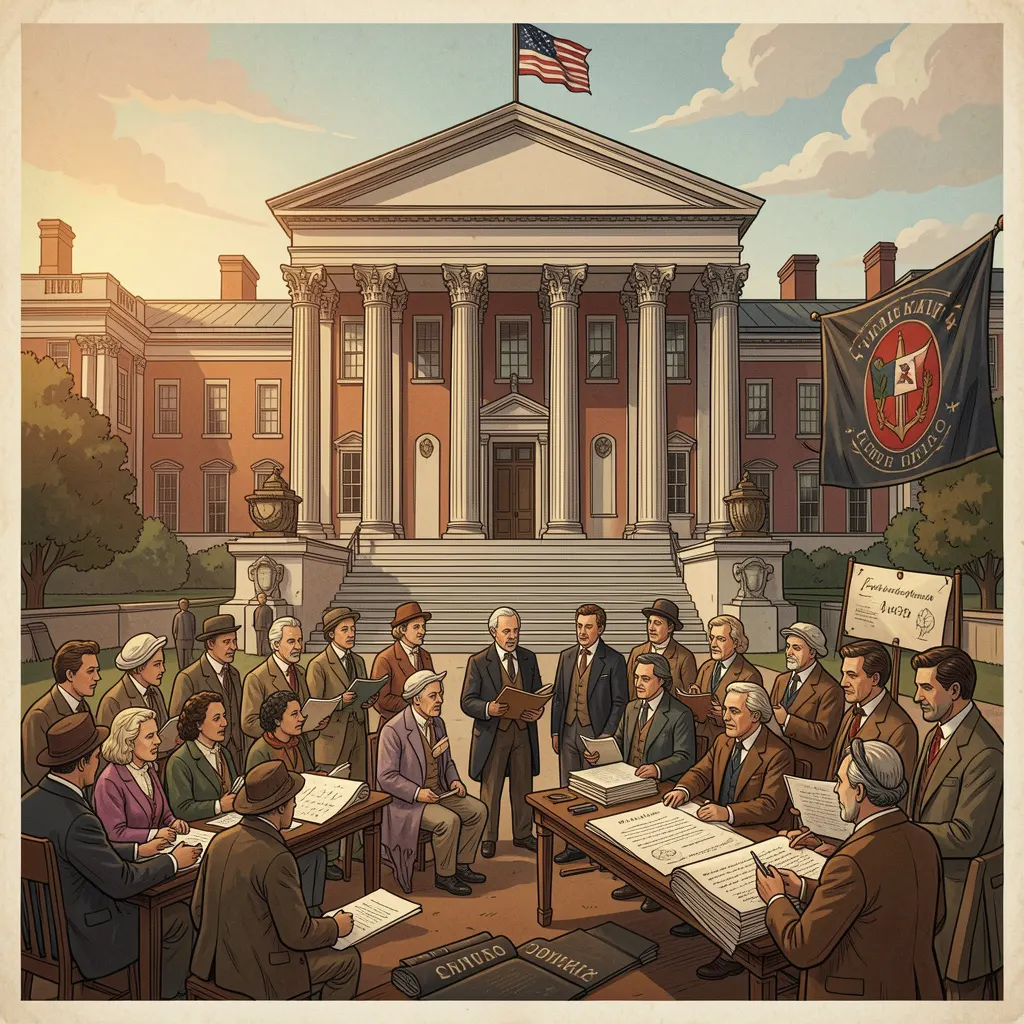
The roots of the “No Kings” message come from longstanding democratic traditions that reject monarchy and emphasize representative government. In American history, opposition to inherited power and concentrated authority has been a recurring theme since the country’s founding period.
Modern protest movements often build on these historical ideas while responding to current political concerns. Activists use public demonstrations, social media campaigns, and community organizing to draw attention to issues they believe require national discussion.
Organizations involved in civic participation and voting rights, including American Civil Liberties Union and League of Women Voters, have long focused on public engagement, constitutional rights, and democratic participation.
What Are the Goals of the Protests?
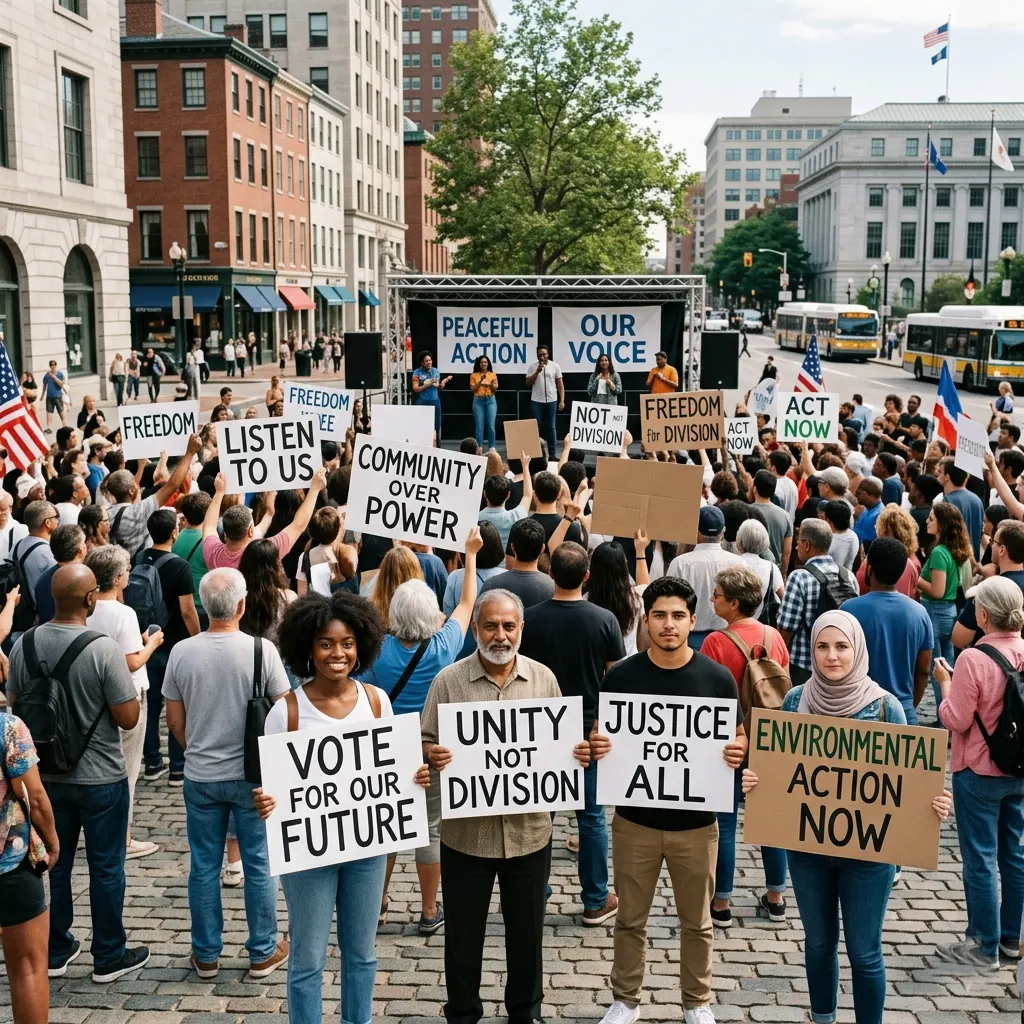
While participants may have different individual concerns, the central themes of No Kings demonstrations generally focus on:
- Protecting democratic institutions.
- Opposing what participants view as excessive concentration of political power.
- Encouraging public participation in government decisions.
- Promoting accountability among elected officials.
Like many large social movements, the demonstrations include people with different motivations. Some participants focus on constitutional principles, while others connect the movement to specific political debates or policy concerns.
Why Protest Movements Matter in Modern Politics
Political demonstrations have historically influenced public conversations by bringing attention to issues outside traditional government channels. From civil rights campaigns to voting rights movements, protests have often played a role in shaping national discussions.
Research and analysis from organizations such as Pew Research Center show that public trust, political engagement, and civic participation remain important factors influencing democratic systems.
In the digital age, movements can grow quickly through online networks. Social media platforms allow organizers to reach supporters faster, but they also create challenges involving misinformation, polarization, and competing narratives.
The Future Impact of the No Kings Movement
The long-term influence of No Kings protests will depend on whether the movement develops beyond demonstrations into sustained civic engagement. Successful movements often combine public awareness with organized efforts such as voter participation, community programs, and policy advocacy.
The impact may also depend on how political leaders, institutions, and citizens respond to the concerns raised by participants.
A Continuing Conversation About Power and Democracy
The No Kings protests represent a broader conversation about leadership, accountability, and the relationship between citizens and government. Whether viewed as a political movement, a civic expression, or part of a larger debate about democracy, the demonstrations highlight the continuing importance of public participation.
As history has shown, movements built around questions of power and representation often leave an impact beyond the events themselves. The future of No Kings will be shaped by how effectively its supporters translate public demonstrations into lasting civic action.
#NoKings #NoKingsProtests #Democracy #CivicAction #PoliticalMovement #GrassrootsActivism #AmericanPolitics #ProtestMovement #PublicVoice