

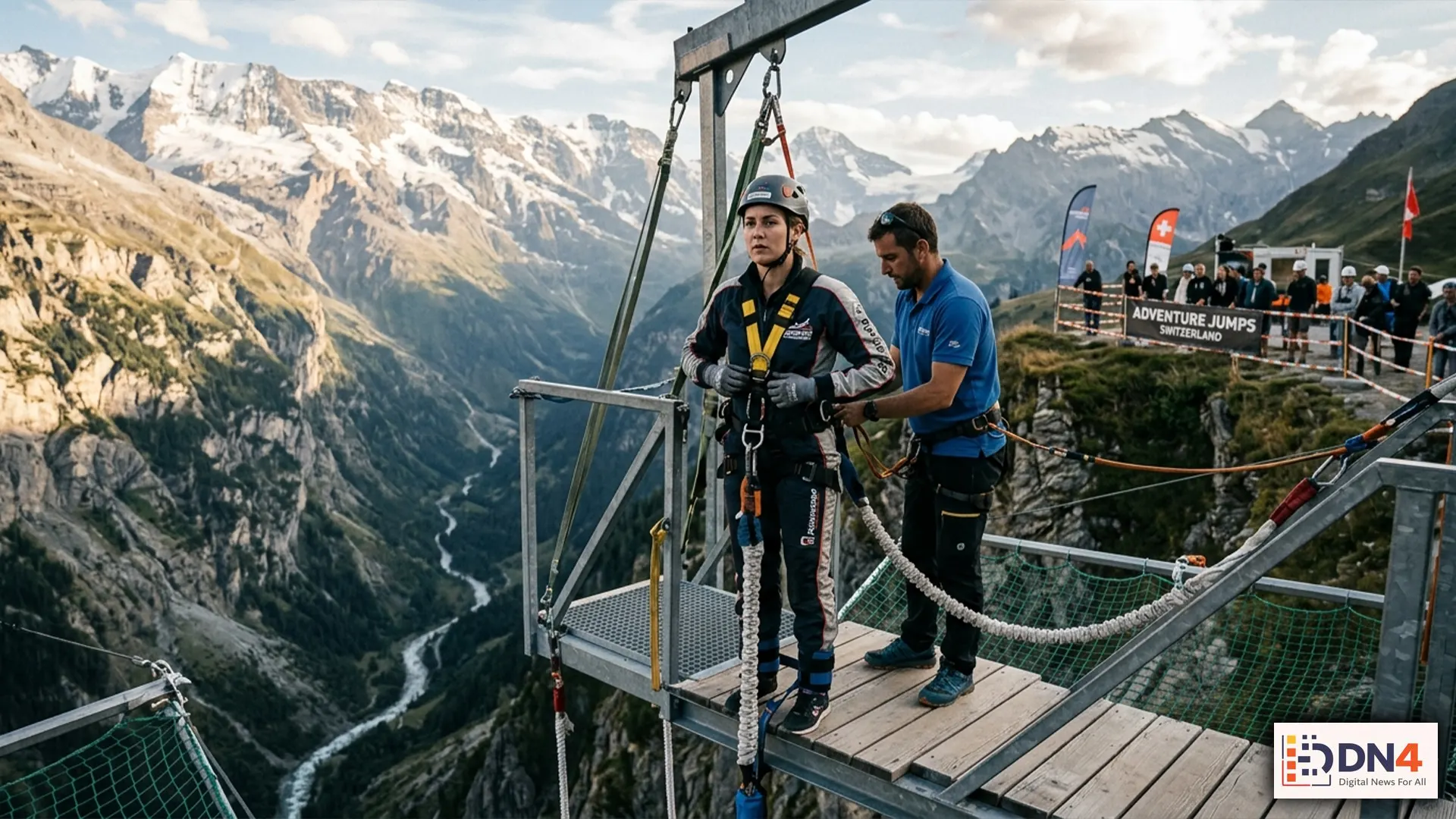
Bungee jumping represents the ultimate mix of adrenaline, freedom, and personal challenge. But every thrilling jump depends on one thing above all else: safety. Following a recent bungee jumping incident in Brazil, many adventure travelers are asking an important question — how can you enjoy extreme experiences while making responsible decisions?
Bungee jumping is designed around carefully engineered systems, professional supervision, and strict procedures. However, like any adventure activity involving height and specialized equipment, safety standards and operator practices matter enormously.
Why Safety Checks Matter Before Any Jump
A successful bungee jump requires more than courage. It depends on equipment quality, trained staff, proper calculations, and a controlled environment. Before participating, travelers should research the operator and understand how safety procedures are handled.
Organizations such as the Adventure Travel Trade Association promote responsible adventure tourism practices, including risk management and ethical outdoor experiences.
A reputable operator should be transparent about equipment inspections, staff training, emergency procedures, and participant requirements.
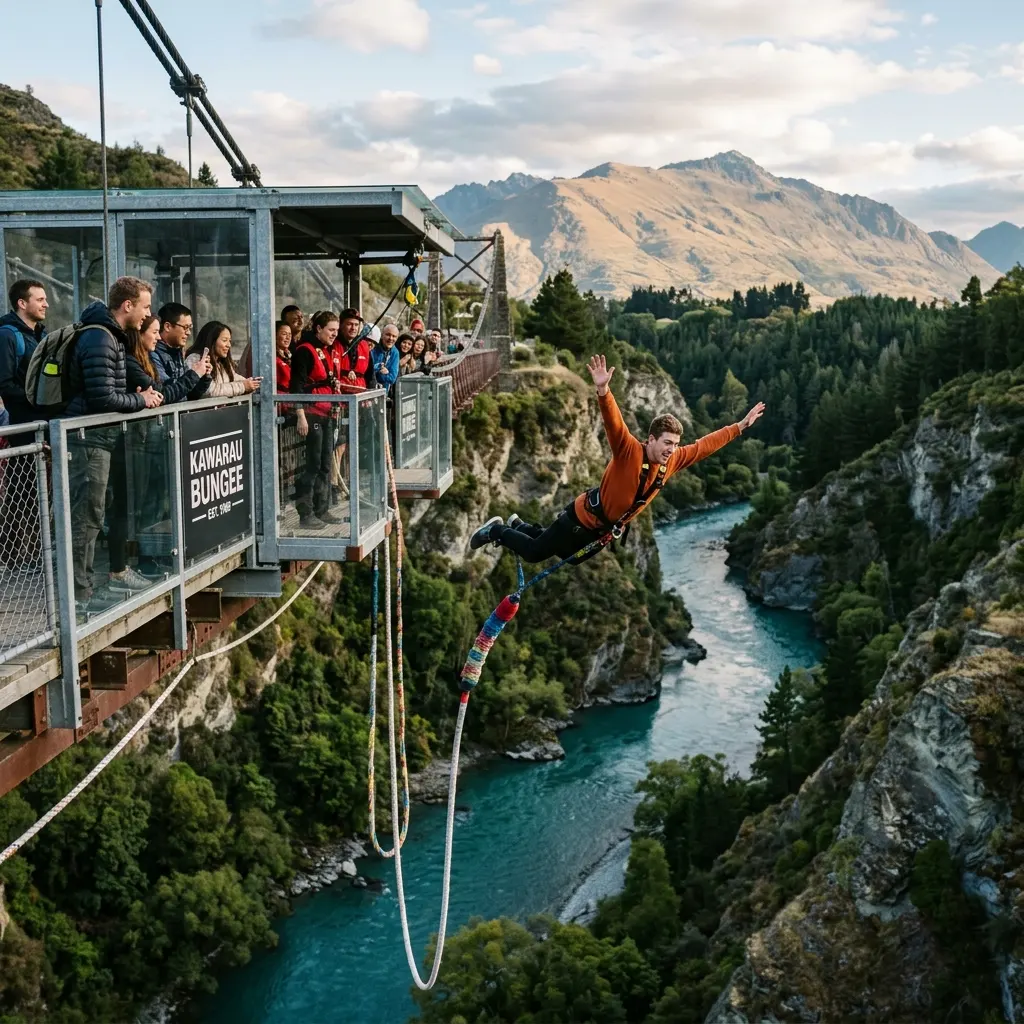
The Essential Safety Checklist Before You Jump
Before signing up for a bungee jump, consider these important checks:
- Operator reputation: Research reviews, certifications, and safety history.
- Equipment inspection: Ask whether ropes, harnesses, and connectors are regularly checked and replaced according to manufacturer guidelines.
- Professional staff: Experienced instructors should explain procedures clearly before the jump.
- Health requirements: Understand whether medical conditions such as heart problems, severe injuries, or pregnancy create additional risks.
- Emergency planning: Confirm that staff have procedures for handling unexpected situations.
Understanding the Equipment Behind a Safe Jump
Bungee jumping equipment is designed to manage extreme forces. The elastic cord, harness system, attachment points, and backup procedures all play important roles.
Safety organizations and industry groups emphasize regular inspection and proper use of adventure equipment. Standards and guidance vary by location, which makes choosing experienced operators especially important.
Resources from organizations such as International Organization for Standardization highlight the importance of safety systems and quality management across industries.
Learning From Adventure Sports Accidents
When accidents happen in extreme sports, investigations often focus on multiple factors: equipment condition, human decisions, environmental conditions, and operational procedures.
The goal of reviewing incidents is not to eliminate adventure experiences but to improve safety practices and awareness.
Adventure tourism continues growing worldwide because people seek memorable experiences. The key difference between a positive adventure and a dangerous situation often comes down to preparation.
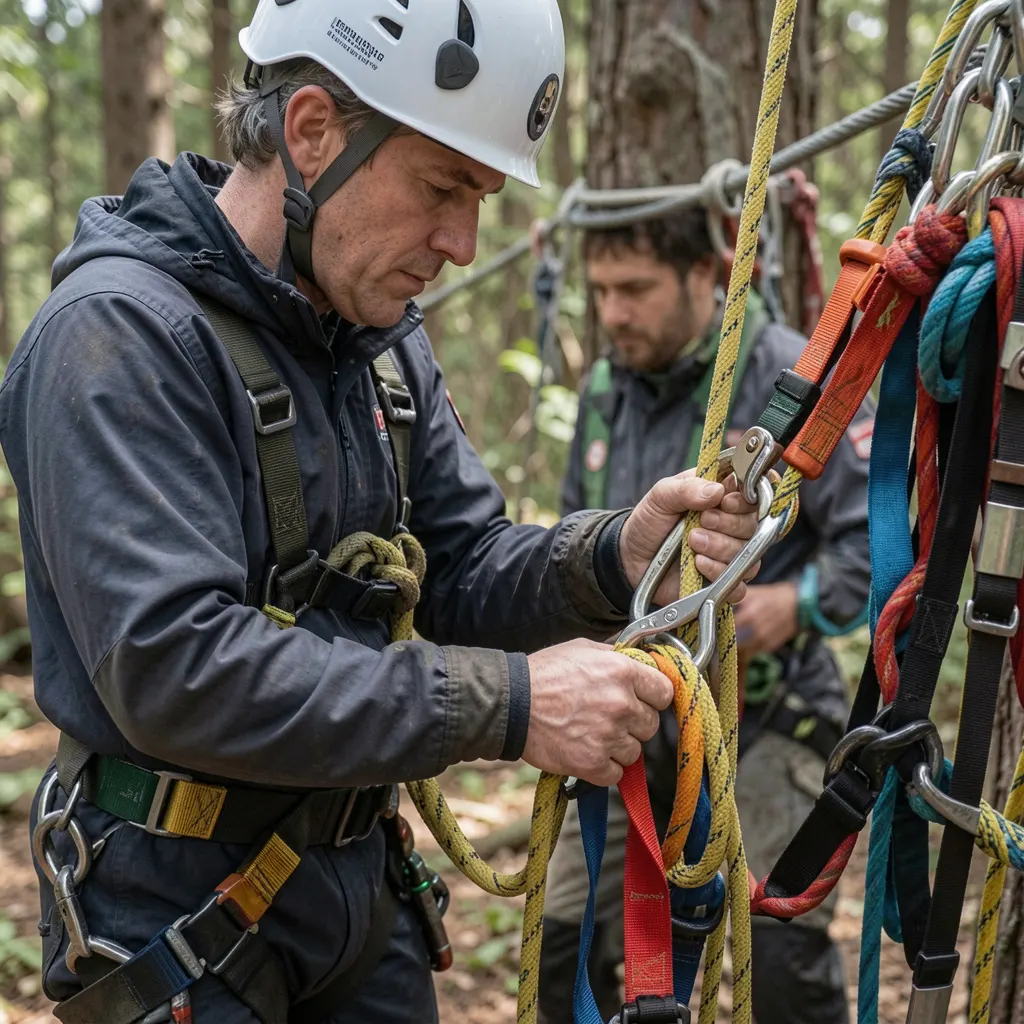
How to Choose a Responsible Bungee Operator
A trustworthy operator should:
- Provide a detailed safety briefing.
- Allow questions before participation.
- Use properly maintained equipment.
- Have trained jump masters.
- Follow local safety regulations.
Avoid operators who rush participants, ignore questions, or cannot explain their safety procedures.
The Right Mindset: Adventure With Awareness
Extreme activities are about pushing personal limits, but responsible adventure means understanding the risks before taking the leap. Preparation, research, and choosing qualified professionals can dramatically improve the experience.
A bungee jump should be remembered for the excitement, the view, and the achievement — not because safety questions were ignored.
#BungeeJumping #AdventureSafety #ExtremeSports #TravelSafety #AdventureTravel #SafetyFirst #ThrillSeekers #OutdoorAdventure #RiskManagement