

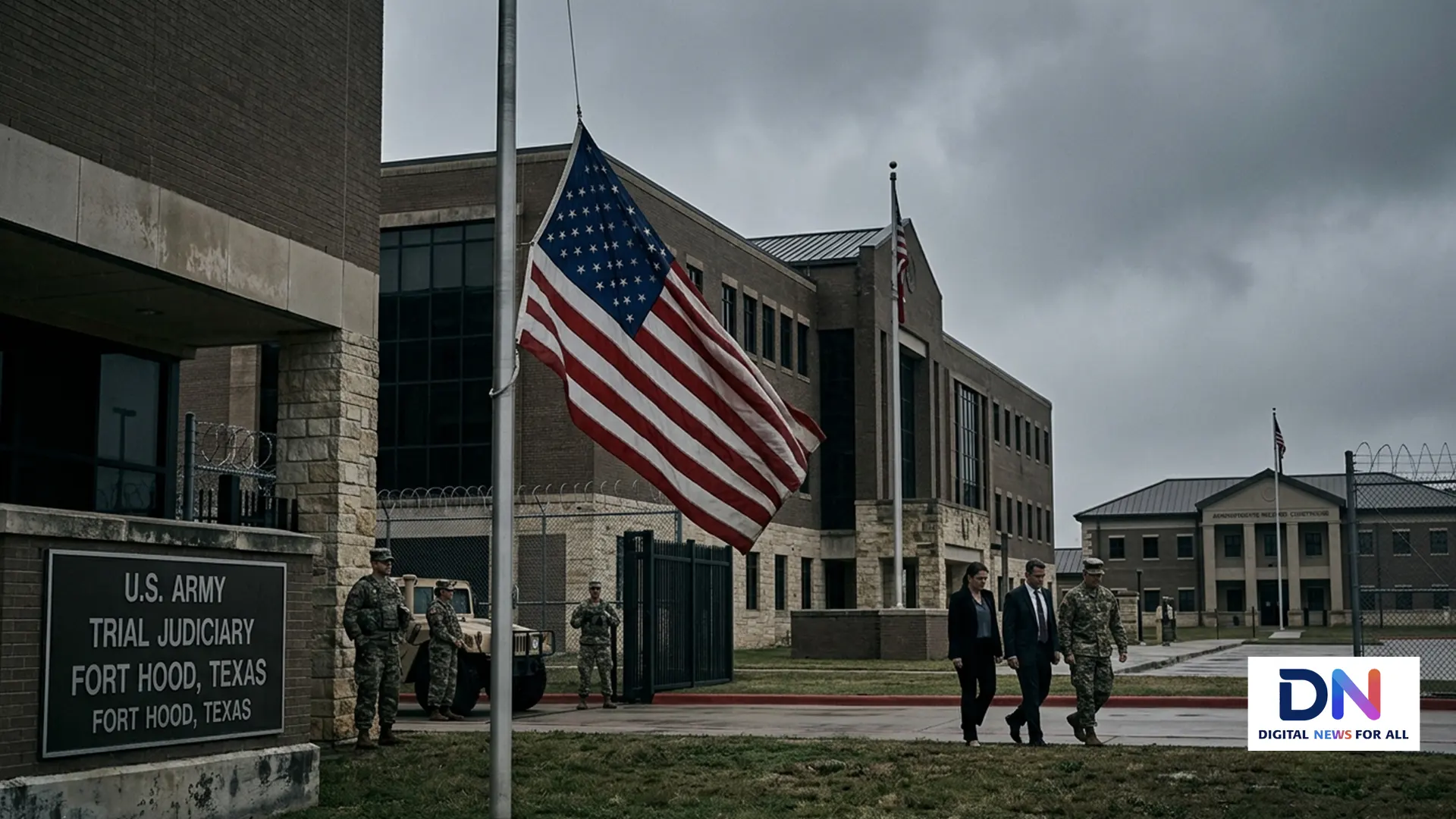
The Fort Hood execution controversy has ignited a national debate over military justice, public accountability, and the limits of government power. Defense Secretary Pete Hegseth announced plans to livestream the scheduled December 3, 2026, execution of Nidal Hasan, the former Army major convicted in the 2009 Fort Hood shooting that killed 13 people.
The proposal has drawn criticism from Republicans and Democrats who distinguish support for a lawful sentence from turning an execution into a public broadcast. According to CBS News, opposition among Republicans has grown, while other lawmakers have raised concerns about national security and America’s international standing.
Why the Livestream Proposal Is Controversial
Supporters of publicizing the execution argue that the consequences of a mass attack should be understood. Critics counter that broadcasting a state execution risks transforming a solemn legal proceeding into a spectacle.
Republican Senator Thom Tillis and other lawmakers have publicly criticized the plan. Democratic Senator Jack Reed has also warned that livestreaming could provide propaganda material for terrorist recruiters. Their objections demonstrate that disagreement over the broadcast can cross party lines even when lawmakers hold different views on capital punishment.
The Associated Press reported that Vice President JD Vance questioned whether the livestream would actually happen and said he would not watch it.
The Fort Hood Shooting and Military Justice
On November 5, 2009, Hasan opened fire at Fort Hood, Texas, killing 13 people and injuring more than 30 others. A military jury convicted him in 2013 and sentenced him to death.
The case remains deeply significant for survivors, victims’ families, and military personnel. However, the question of broadcasting the execution introduces a separate issue: how the government should carry out a sentence while preserving the dignity of the legal process.
According to Reuters’ legal analysis, military execution rules differ from some federal prison regulations. The legal authority to conduct an execution does not automatically settle every question surrounding public access or broadcasting.
Legal, Ethical, and Security Questions
Critics argue that a livestream could expose military personnel and others to additional security risks, provide extremist groups with propaganda, and encourage the consumption of violence as entertainment.
International human rights officials have also raised objections. Their concerns focus on whether broadcasting an execution could conflict with international protections against torture and degrading treatment.
The United Nations human rights office provides statements and resources on international human rights standards. The precise legal consequences of those standards depend on the applicable law and circumstances.
What Happens Next?
As of October 14, 2026, the administration’s position on livestreaming remains unsettled. Axios reported that President Donald Trump had privately expressed reservations following bipartisan criticism.
The scheduled execution date is December 3, but legal proceedings and administrative decisions could affect what ultimately happens. Whether the execution is livestreamed remains a separate question from whether the sentence will be carried out.
A Debate Beyond Party Lines
The controversy highlights a broader question about democratic institutions: should every lawful government action be made public simply because technology allows it?
For critics, transparency does not require turning an execution into a broadcast spectacle. For supporters of public disclosure, the challenge is explaining how visibility would serve a legitimate public purpose.
Ultimately, the debate concerns more than one case. It raises questions about military justice, public accountability, national security, and the boundaries between informing the public and displaying state violence.
#FortHood #MilitaryJustice #Congress #USPolitics #HumanRights #NationalSecurity #JusticeDebate