

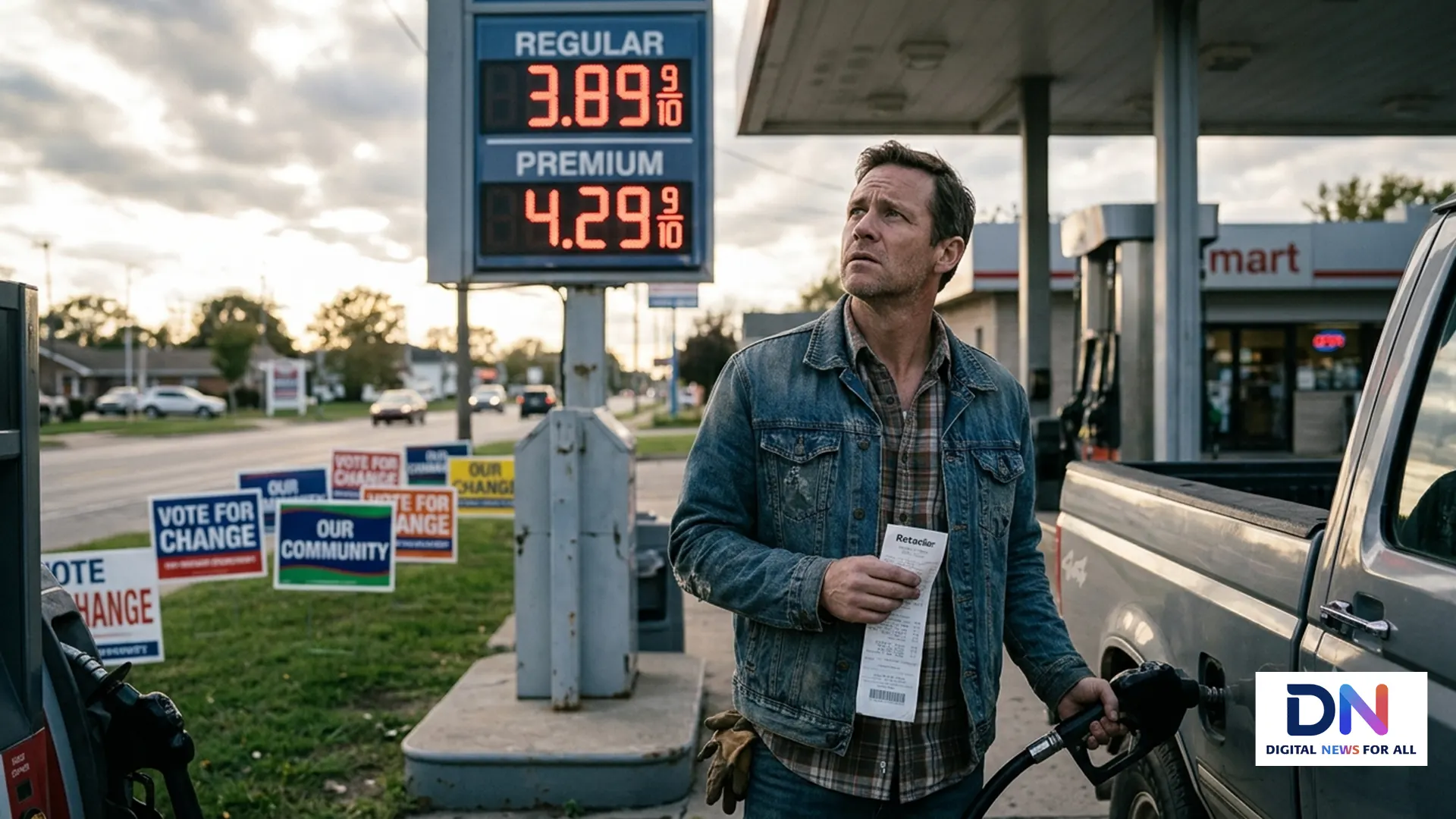
Independent voters face a difficult choice as Americans approach the November 3, 2026, midterm elections. Rising living costs, expensive gasoline, and the war with Iran are shaping views of the economy and national leadership. Yet frustration with current policies does not automatically mean voters agree on which party offers the best solutions.
Inflation Is Driving Election Concerns
Economic anxiety has become a central theme of the campaign. An October AP-NORC survey found that 85% of voters considered the economy one of the most important issues in their vote, while 84% highlighted the cost of living.
Independent voters have additional reasons to pay attention. On October 23, the University of Michigan reported that consumer sentiment remained near historic lows. Its index stood at 48.0 in October, with concerns about purchasing power and major expenses weighing on households.
The findings suggest that voters are judging economic performance through everyday costs, including fuel, groceries, housing, and borrowing. However, financial pressure alone does not determine party preference. Voters also consider taxes, wages, government spending, and their confidence in competing economic plans.
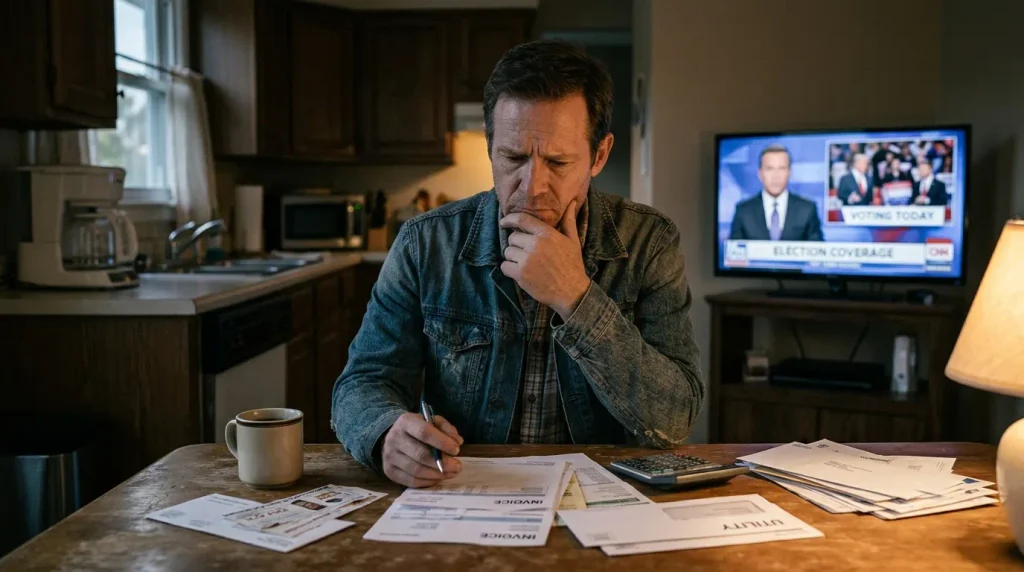
Why the Iran War Has Become a Pocketbook Issue
Foreign policy is also affecting domestic economic debate. Higher energy costs linked to the Middle East conflict have connected the war to household budgets, making international decisions relevant to voters focused on affordability.
A Reuters report published October 23 said consumer sentiment among independents fell to 42.4 from 47.7 in September. The report connected the broader decline in confidence with rising prices and the economic effects associated with the Iran conflict.
An October AP-NORC poll found that roughly 70% of registered voters wanted Congress to prioritize ending the war. That concern crosses party lines, although voters differ over military policy, national security, and the government’s responsibilities.
Independents Are Not One Unified Voting Bloc
Independent voters include people who lean toward either major party, as well as voters who distrust both. Their priorities can differ by age, income, location, and personal experience. Some may focus on inflation and employment, while others place greater weight on immigration, democracy, healthcare, or foreign affairs.
Pew Research Center’s October analysis found that 84% of registered voters considered the economy very important to their midterm vote. Foreign policy ranked among the leading concerns, but the importance voters assigned to other issues varied considerably between supporters of the two parties.
A separate Pew analysis of election engagement also documented widespread dissatisfaction with national conditions. Discontent, however, does not guarantee that every dissatisfied voter will turn out or support the same candidates.
What Could Matter in the Final Stretch?
With Election Day approaching, campaigns face the challenge of persuading voters who may be unhappy with the economy but uncertain about alternatives. Candidates’ proposals on prices, energy, healthcare, and foreign policy could influence how voters assess their choices.
Polls provide a snapshot, not a guaranteed outcome. Turnout, local candidates, district-level issues, and late changes in voter priorities will all matter. For independent voters, the central dilemma remains how to weigh immediate financial pressures against concerns about security, leadership, and the country’s longer-term direction.
#MidtermElections2026 #IndependentVoters #Inflation #CostOfLiving #SwingVoters #IranWar #USPolitics #Election2026 #ConsumerConfidence