

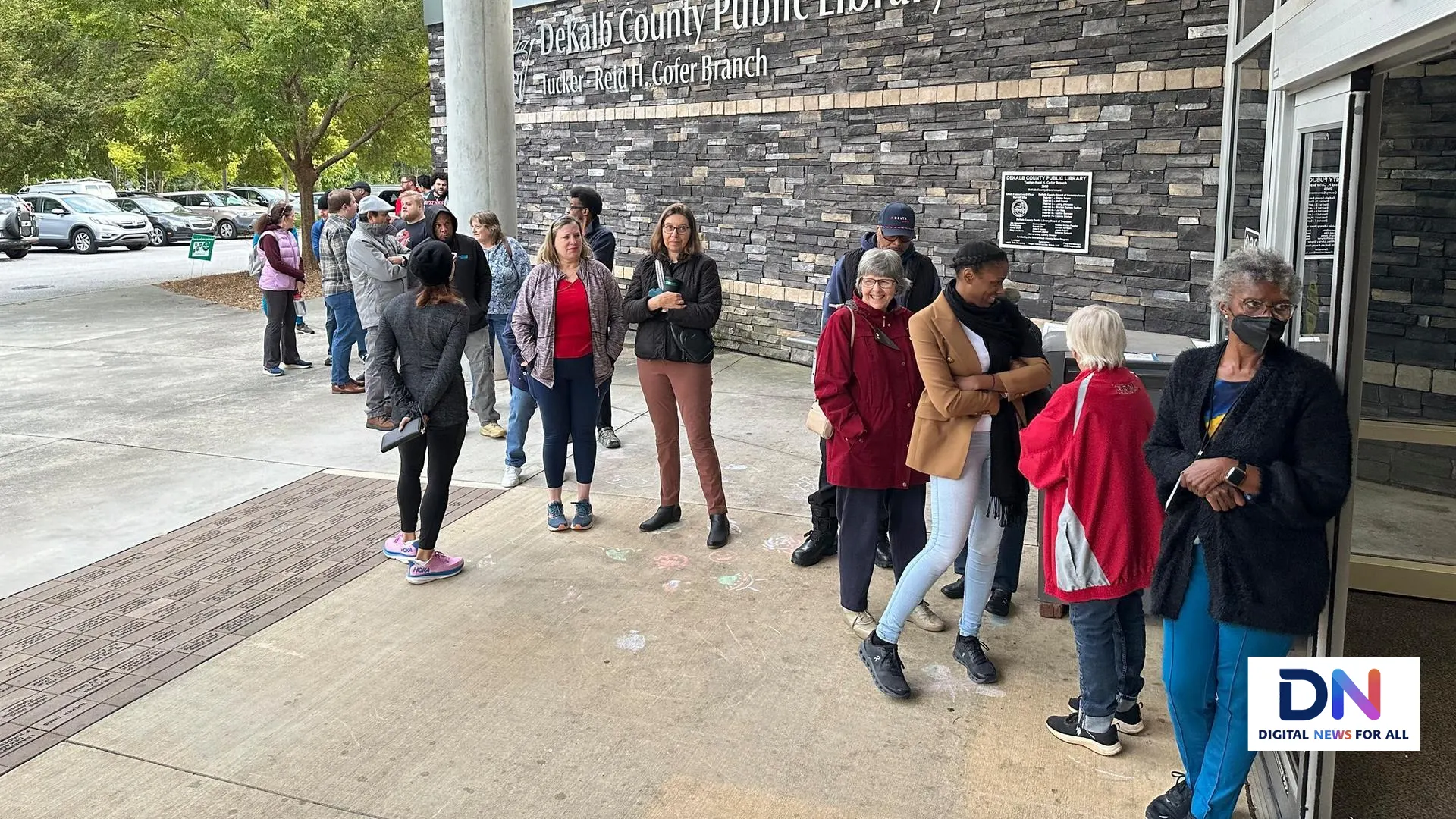
Georgia early voting is drawing national attention as the 2026 midterm campaign enters its final stretch. More than 1.1 million Georgians had cast ballots by October 22, according to state turnout figures cited by local reporting. At the same time, debates over voting technology, ballot secrecy and election safeguards are adding another dimension to the state’s closely watched races.
Early Voting Sets Records Across Georgia
Georgia began in-person early voting on October 13. The first day produced more than 188,600 ballots, surpassing the state’s previous midterm first-day record. The Georgia Secretary of State’s Office reported that participation exceeded the 2022 midterm’s opening-day total by more than 53,000 votes.
The momentum has continued across metropolitan Atlanta and other parts of the state. The Atlanta Journal-Constitution’s turnout analysis found strong participation in Democratic-leaning communities, alongside substantial activity in several Republican strongholds.
However, early voting numbers do not reveal how people voted. They also cannot establish whether overall turnout will rise, since some voters may simply be casting ballots earlier than they did in previous elections.
Voting Technology Fuels a Security Debate
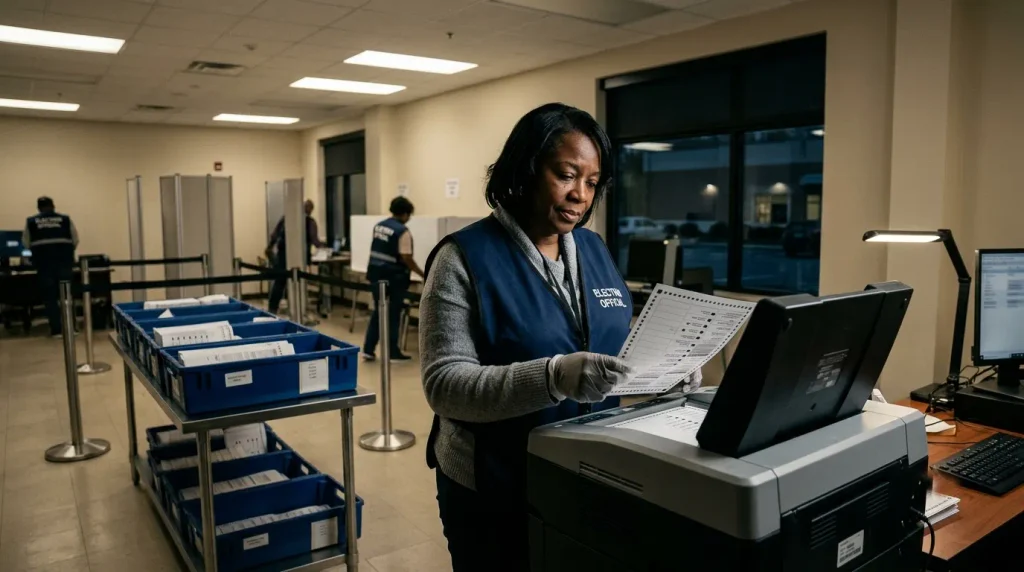
Georgia’s voting system has become a focus of disputes over electronic ballot marking, QR codes and how election results are tabulated. A controversy over ballot secrecy has also prompted questions about whether publicly available records could potentially be combined to identify how an individual voted.
The Atlanta Journal-Constitution’s reporting on voting machines described calls for federal scrutiny and changes to the state’s QR-code ballot process. Election officials and voting experts have debated the timing and practical risks of implementing major changes close to an election.
The Associated Press reported that a proposal to shuffle ballots before casting them did not advance at a State Election Board meeting. The discussion centered on ballot secrecy, staffing demands and potential disruption shortly before voting began.
Importantly, identifying a potential privacy vulnerability is not the same as demonstrating that votes were changed. The cited reporting did not establish that Georgia’s voting machines had been tampered with during an election.
Why Georgia Matters in November
Georgia’s competitive statewide contests, including the U.S. Senate race, have placed the state near the center of national political attention. The Associated Press election guide identifies key Senate contests that could shape control of the chamber.
Local reporting from Atlanta News First has also highlighted the possibility of split-ticket voting in Georgia’s gubernatorial race. Voters may evaluate candidates individually rather than follow a single party across every contest.
What Voters Should Know Before Election Day
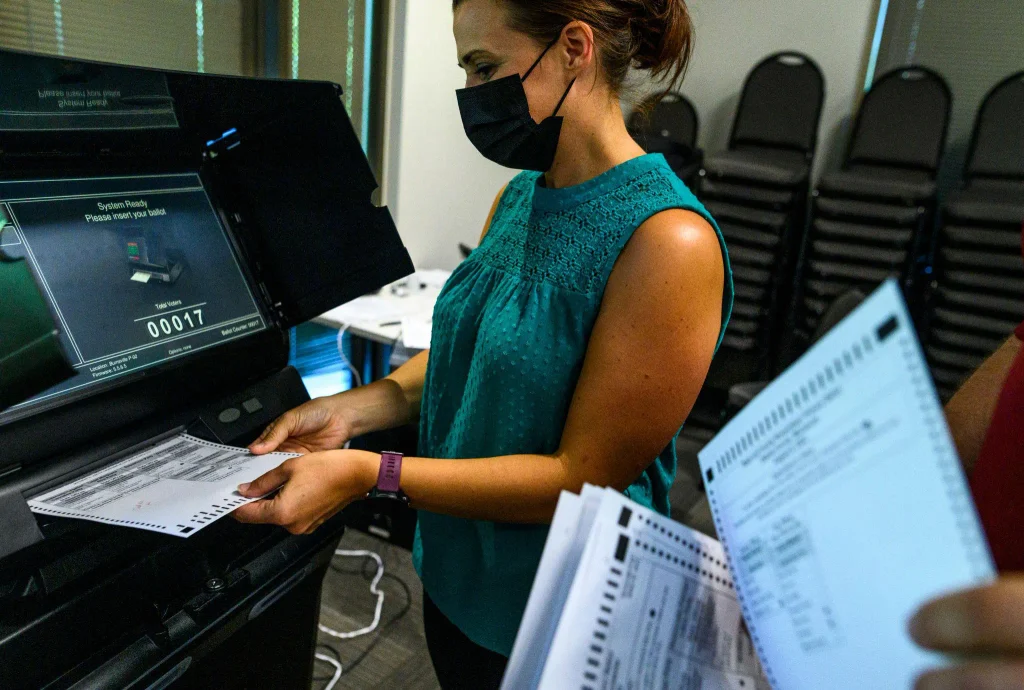
Georgians can check their registration, polling information and official election updates through the Georgia My Voter Page. Voters should rely on official election information when checking voting locations, deadlines and procedures.
As November 3 approaches, the state’s key questions remain voter participation, competitive races and public confidence in election administration. The early voting surge signals strong engagement, but the final results will depend on ballots cast and counted under the state’s election rules.
#GeorgiaMidterms #GeorgiaEarlyVoting #ElectionSecurity #BallotSecurity #GeorgiaPolitics #VoterTurnout #ElectionIntegrity #USMidterms #VotingRights