

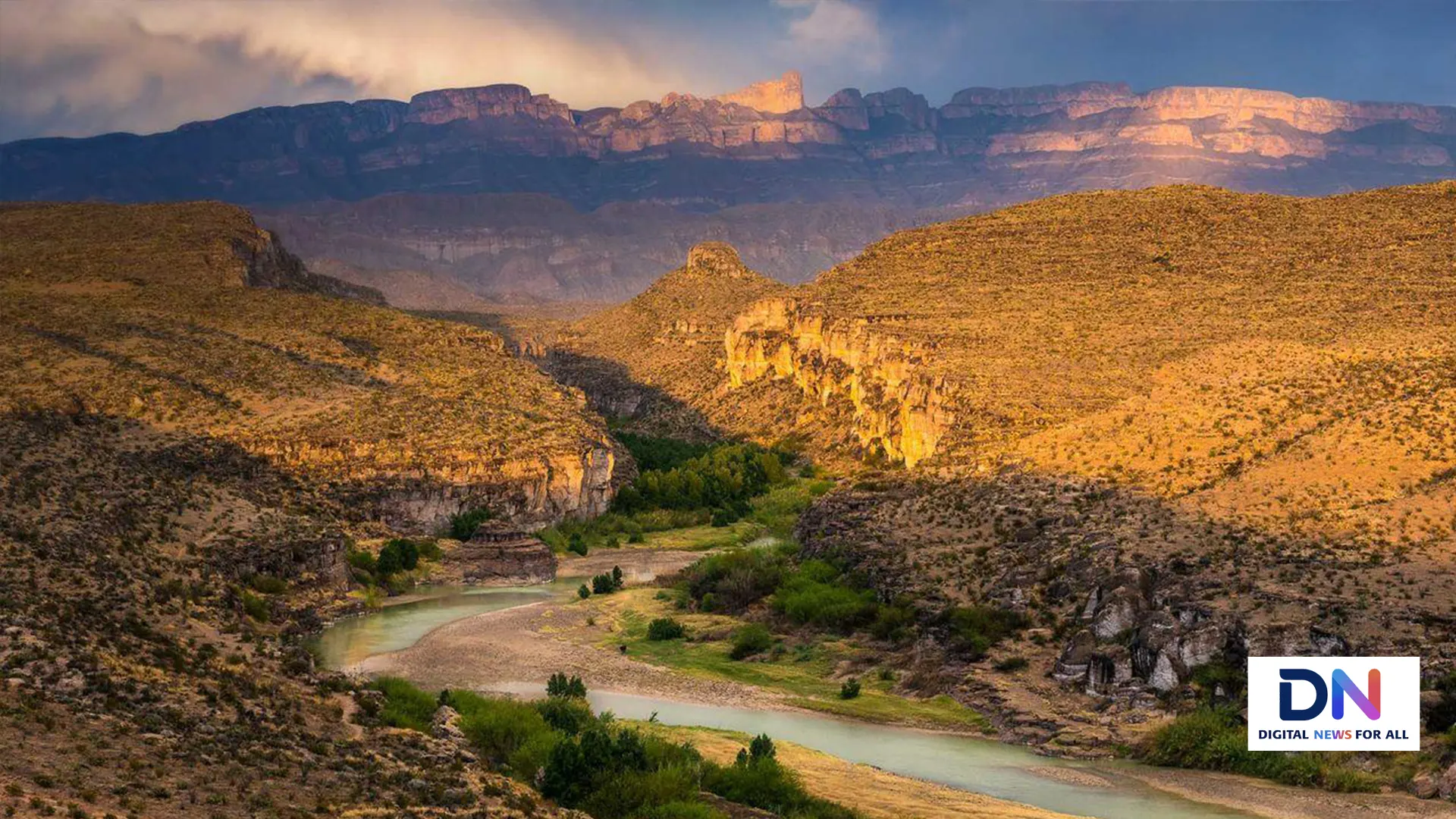
The Big Bend border wall dispute has reached the U.S. Supreme Court, setting up a major legal fight over border security, environmental protections, and federal authority. On October 21, 2026, the Trump administration asked the justices to lift a lower court order that halted construction across the Big Bend region of West Texas.
Why Is Construction Blocked?
On October 2, U.S. District Judge Kathleen Cardone issued a preliminary injunction barring border barriers, related infrastructure, and ground-disturbing activities in the Big Bend Border Patrol Sector unless the government complies with applicable laws. The ruling followed a lawsuit challenging Department of Homeland Security waivers that allowed construction to move forward without following certain federal legal requirements.
According to The Texas Tribune, the plaintiffs argue that the waivers exceed executive authority and threaten public land, private property, and culturally significant places.
What Is the Government Arguing?
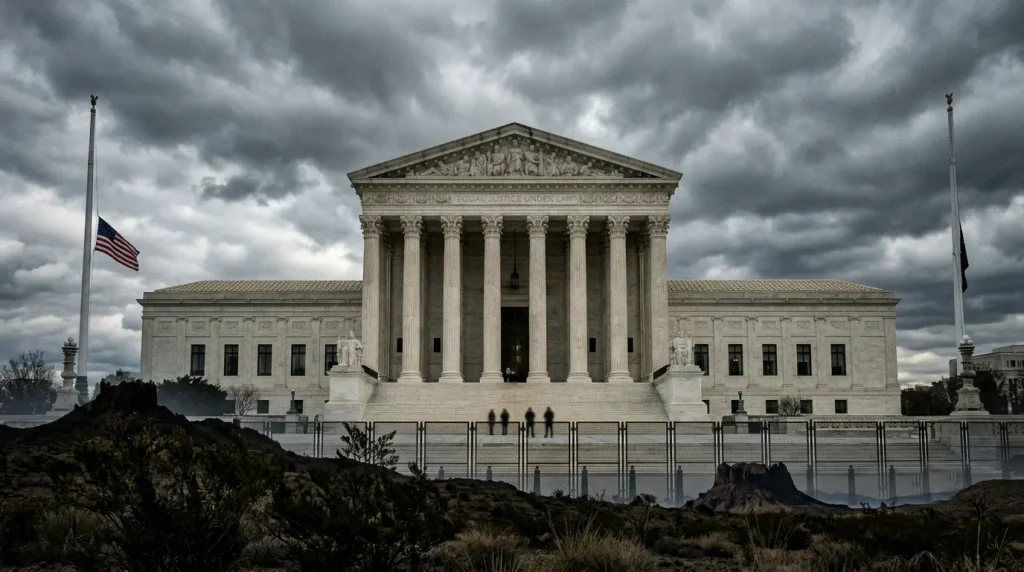
The Justice Department says the administration needs the barriers and supporting infrastructure to address illegal crossings and drug smuggling. Its emergency application asks the Supreme Court to allow work to resume while the legal fight continues.
The government’s filing argues that federal law gives the Homeland Security secretary broad authority to waive legal requirements when necessary to expedite border-barrier construction. The application is available in the Supreme Court filing. CBS News also provides a detailed account of the administration’s position and the lower court’s decision in its report on the appeal.
Why Big Bend Matters
Big Bend is known for its rugged desert landscapes, mountains, river canyons, and wildlife. The surrounding border region also supports tourism, outdoor recreation, ranching, and communities with deep historical and cultural ties to the land.
Opponents warn that roads, vehicle barriers, sensors, and construction activity could damage habitats and archaeological resources or affect access to the Rio Grande. The National Park Service’s Big Bend overview describes the region’s distinctive natural environment.
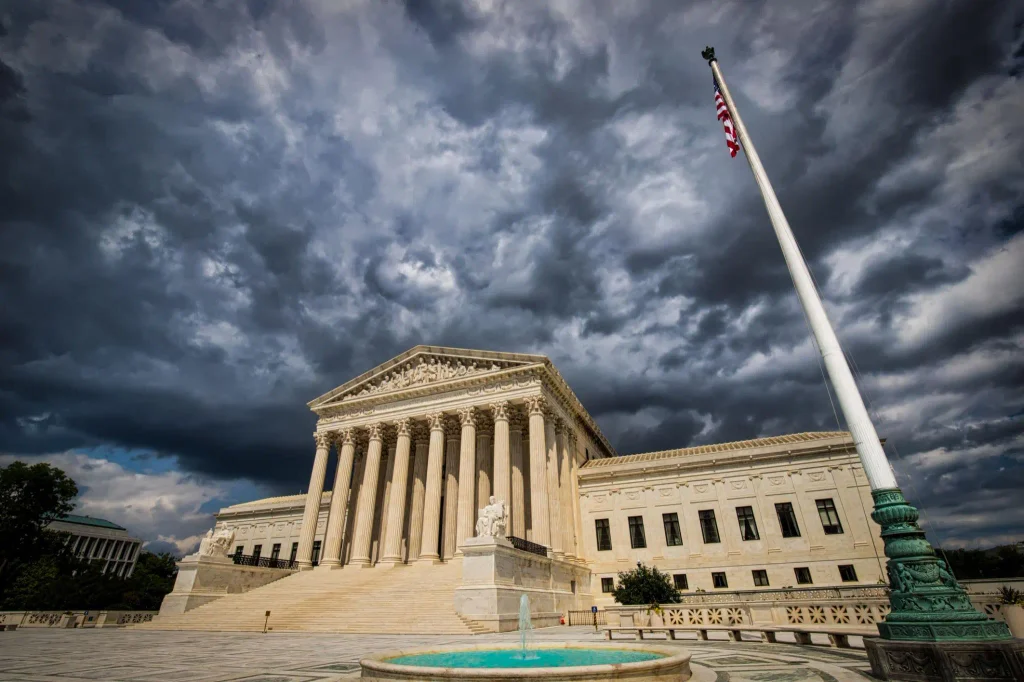
The Associated Press report details local opposition and the legal challenge. Meanwhile, Reuters’ coverage of the Supreme Court request outlines the competing arguments over security and environmental protection.
What Happens Next?
The Supreme Court’s response could determine whether construction resumes while the broader lawsuit proceeds. It could also influence future disputes over how far federal agencies can go when waiving laws for border infrastructure projects.
For now, the legal dispute remains unresolved. The outcome will matter to federal border policy, West Texas communities, and the future management of sensitive public lands. The central question is whether the administration’s construction plans can proceed under the legal waivers it issued or must meet additional legal requirements first.
#BigBend #Texas #BorderWall #SupremeCourt #BorderSecurity #EnvironmentalLaw #NationalParks #USPolitics #BreakingNews