

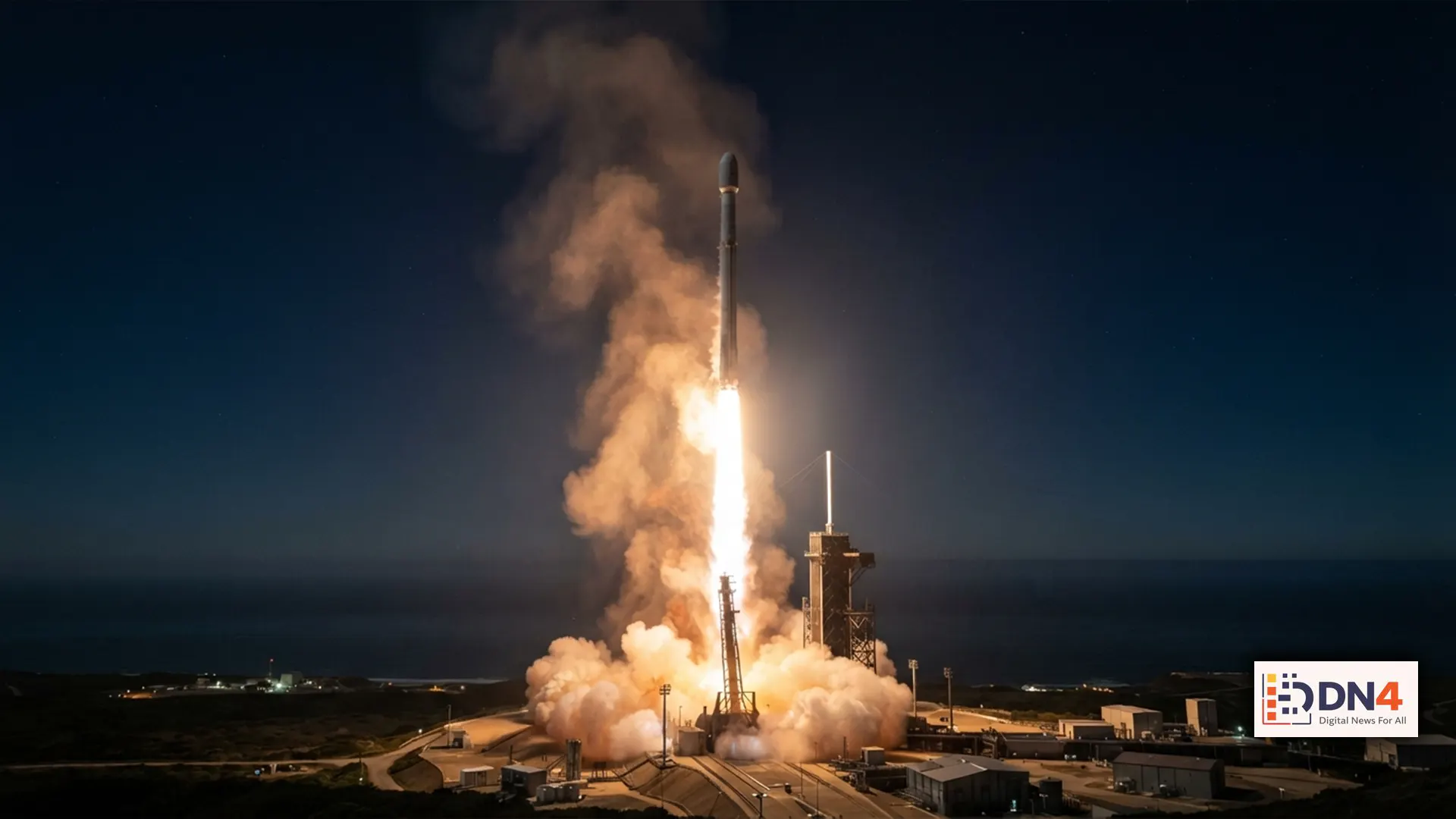
SpaceX continues to keep skywatchers across the U.S. West Coast watching the horizon as frequent Falcon 9 missions lift off from Vandenberg Space Force Base in California. For people in parts of Washington, Oregon and Northern California, the right launch trajectory and nighttime conditions can sometimes create an impressive view of a rocket climbing into the sky.
When Is the Next SpaceX Launch?
As of August 25, 2026, launch schedules are changing frequently. Current launch tracking lists a Falcon 9 mission carrying Starlink Group 15-22 from Vandenberg as a scheduled mission, with the launch window listed for August 26. Another Starlink mission, Group 15-23, is currently listed for September 1. Because SpaceX routinely adjusts launch timing for weather, vehicle readiness and range conditions, viewers should check the latest schedule shortly before heading outside.
Recent activity shows just how frequently Vandenberg is being used. SpaceX launched Starlink missions from the California base on August 19 and August 22, demonstrating the steady cadence of West Coast Falcon 9 flights.
Can the Pacific Northwest See the Launch?
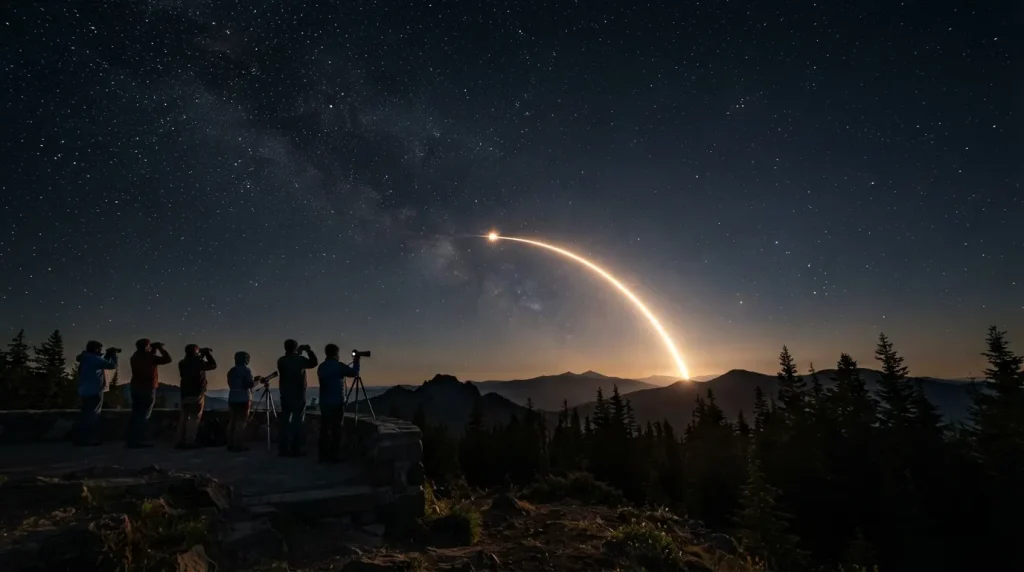
Visibility depends heavily on the launch time, trajectory, atmospheric conditions and your location. A launch heading generally toward the south or southwest may be visible from farther north, but distance means viewers may see only the rocket’s illuminated trail rather than the vehicle itself.
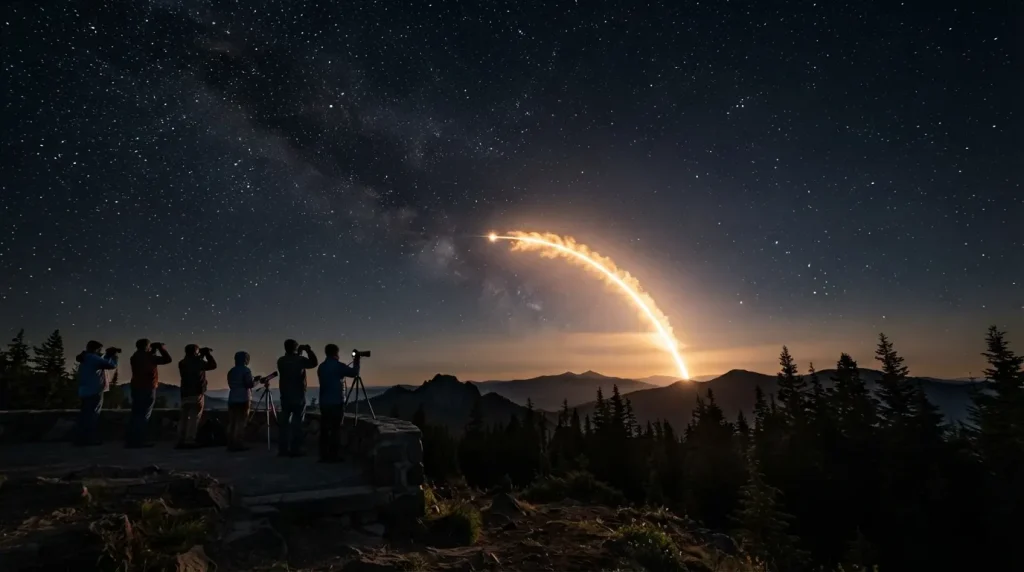
Night launches generally offer the best visual opportunity. The rocket can appear as a bright moving point that gradually develops into a glowing plume. Under the right conditions, the expanding exhaust can produce an unusual, almost cloud-like appearance as the rocket climbs into sunlight above the darker lower atmosphere.
Where Should You Watch?
For viewers in Washington and Oregon, an unobstructed location with a broad view of the southern or southwestern sky is preferable when the trajectory supports visibility. Avoid areas with tall buildings, mountains or dense trees blocking the horizon.
Dark-sky locations away from major city lights can make the rocket plume easier to see. However, viewers should never enter restricted areas or attempt to approach Vandenberg Space Force Base or other controlled launch facilities.
How to Watch the SpaceX Launch Online
If weather or geography makes viewing difficult, online coverage is the easiest option. SpaceX typically provides a live webcast shortly before liftoff, while spaceflight news organizations frequently provide countdown coverage and updates.
Recent Vandenberg launches have also featured live coverage shortly before launch, with reporting noting that SpaceX’s official online channels are among the primary ways to follow the event remotely.
What to Expect During a Night Launch
Don’t be surprised if the rocket appears to move slowly at first and then becomes increasingly difficult to follow. The changing brightness of the plume is caused partly by the rocket’s changing altitude and sunlight conditions.
Some launches can also produce audible effects over portions of the region. The likelihood and intensity depend on the flight profile, atmospheric conditions and distance from the launch area.
Check Before You Head Outside
The most important rule for SpaceX skywatchers is to verify the launch time on the day of the mission. Launch windows can move, and a scheduled flight can be delayed or scrubbed. FAA airspace advisories also provide information about planned commercial launches and associated operational windows.
For the latest information, monitor SpaceX’s official coverage and reliable launch trackers immediately before the scheduled window. With the right conditions, a Vandenberg launch can turn an ordinary evening across the Pacific Northwest into a memorable skywatching event.
#SpaceX #RocketLaunch #PacificNorthwest #Falcon9 #Starlink #SpaceNews #Astronomy #RocketLaunch