

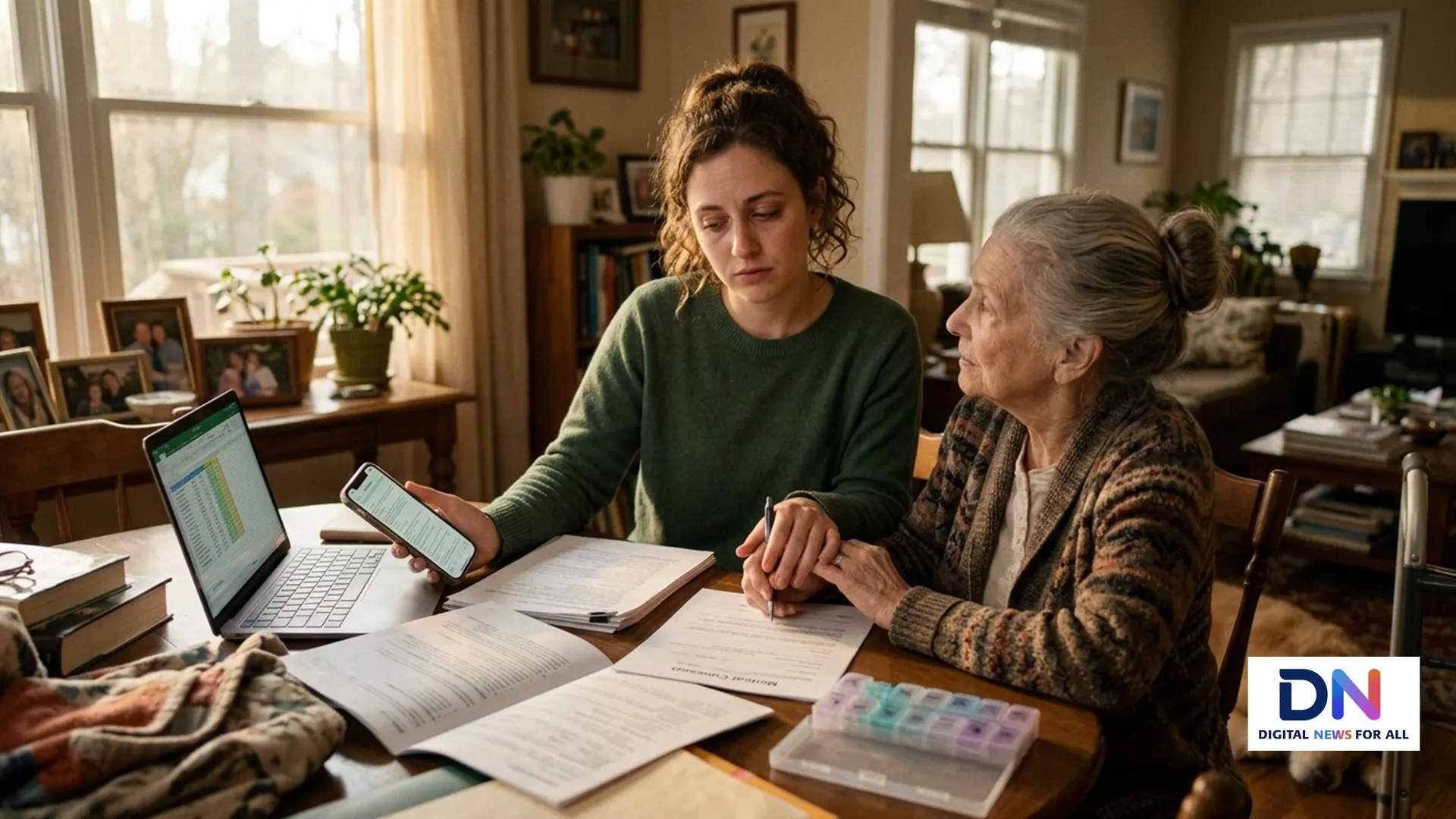
The eldest daughter syndrome describes a family dynamic in which the oldest daughter becomes the default organizer, emotional supporter, and caregiver for relatives. Although it is not a formal medical diagnosis, the term captures a familiar experience for many women who carry responsibilities that other family members rarely share equally.
America’s growing caregiving needs make this issue increasingly urgent. A 2025 report from AARP and the National Alliance for Caregiving found that approximately 63 million Americans provided care to an adult or child with complex medical conditions or disabilities. Roughly three in five family caregivers were women. Read the national caregiving report.
Why Eldest Daughters Often Become the Default Caregivers
In many families, daughters are expected to remember medical appointments, coordinate family schedules, help younger siblings, and support aging parents. The oldest daughter may assume these duties early, particularly when parents work long hours or other relatives live far away.
Over time, temporary assistance can become a permanent expectation. Families may rely on the most organized or dependable daughter without formally discussing whether she has the time or resources to continue.
These patterns are not universal. Family structure, cultural expectations, income, geography, and the availability of other relatives all influence who provides care.

The Hidden Financial Cost of Family Caregiving
Caregiving often involves expenses beyond transportation, prescriptions, and household supplies. Women may reduce working hours, decline promotions, postpone education, or leave employment to support relatives.
The AARP caregiving research documents the financial and employment pressures experienced by people caring for older adults. Lost wages can also affect retirement savings and future financial security.
For young women establishing careers, these trade-offs can have consequences that extend well beyond the immediate caregiving period.
Emotional Labor and Caregiver Burnout
The burden is not always visible. Eldest daughters may manage family disagreements, remember everyone’s needs, and feel responsible when relatives are unhappy or unwell.
When caregiving becomes relentless, stress and social isolation can increase. A 2025 AARP and National Alliance for Caregiving report found that many caregivers face financial strain, health challenges, and limited support.
The National Institute on Aging offers practical guidance on caregiving, managing stress, and finding support.
How Families Can Share the Responsibility
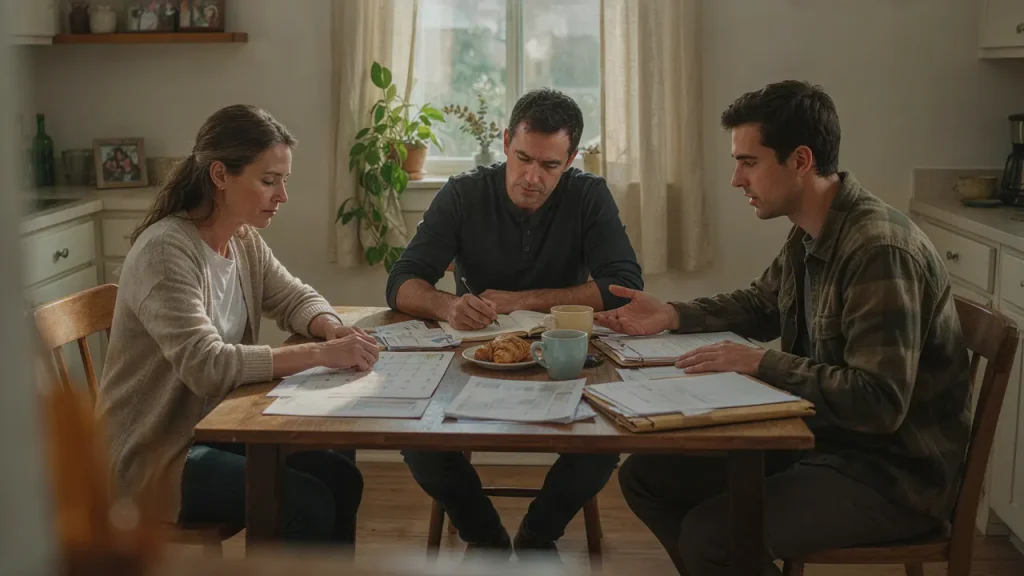
Families can begin by listing recurring tasks and assigning responsibility explicitly. Siblings can divide medical appointments, transportation, financial administration, and regular check-ins according to their abilities and availability.
Employers can also help through flexible schedules and leave policies. The U.S. Department of Labor explains eligibility and protections under the Family and Medical Leave Act.
Community programs, respite care, and local aging services may provide additional assistance. The Eldercare Locator helps families find services for older adults and caregivers.
Moving Beyond the Eldest Daughter Trap
Being dependable should not mean becoming solely responsible for an entire family’s well-being. Caregiving can be meaningful, but it should not require one person to sacrifice her financial future, relationships, and personal ambitions without support.
Recognizing the eldest daughter trap is a starting point. More equitable family arrangements, accessible care services, and stronger workplace protections can help ensure that responsibility is shared rather than silently assigned.
#EldestDaughter #CaregivingCrisis #WomenAndWork #FamilyCaregivers #MentalLoad #GenderEquality #USNews