

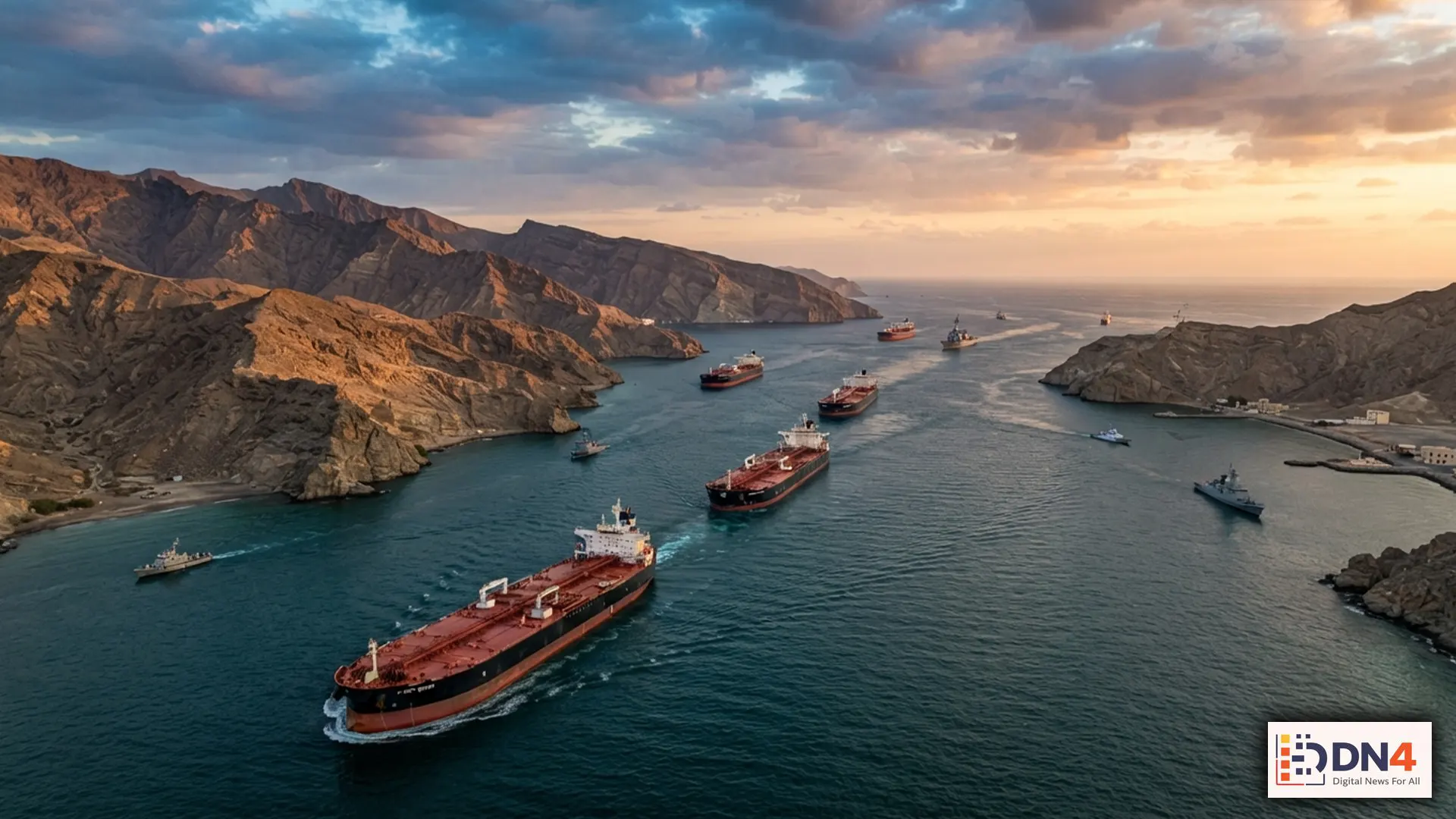
A normally discreet U.S.-Oman relationship has become one of the Middle East’s most unexpected flashpoints. The immediate dispute centers on the Strait of Hormuz, Iran’s role in the waterway and Oman’s attempts to negotiate arrangements with Tehran while Washington pushes for a different outcome.
Why Oman Suddenly Matters So Much
Oman occupies a strategically important position beside the Strait of Hormuz, the narrow maritime passage connecting the Persian Gulf with the Gulf of Oman. The waterway is critical to global energy markets, making any prolonged disruption a concern far beyond the Middle East.
Oman also has an unusual diplomatic position. Unlike several other Gulf states, Muscat has maintained working relationships with Iran and has repeatedly served as a channel between Tehran and Washington. Reuters reported earlier this month that U.S. officials believed Iranian-Omani negotiations could help restore normal shipping through the strait.
What Triggered Washington’s Anger?
The dispute intensified around a proposed Iranian-Omani framework for managing maritime traffic through Hormuz. Tehran and Muscat have been discussing routes and procedures intended to facilitate shipping, while Washington has objected to arrangements that it believes could give Iran excessive influence over the strategic waterway.
According to The Associated Press, U.S. officials have particularly objected to aspects of the proposed arrangement involving joint Iranian-Omani oversight and voluntary security-related payments from vessels.
Trump’s Threat Escalates the Dispute
The disagreement took a dramatic turn on August 17, when President Donald Trump threatened military action against Oman if he believed Muscat was obstructing U.S. efforts involving the strait and Iran.
ABC News reported that the threat came as the U.S.-Iran diplomatic window deteriorated and Washington and Tehran remained unable to reach an agreement over Hormuz.
The rhetoric is particularly striking because Oman is not an adversary of the United States. Instead, it has long been a U.S. security partner and a diplomatic intermediary. That makes the confrontation a significant test of Washington’s Gulf strategy.
Iran Is at the Center of the Problem
Ultimately, the U.S.-Oman dispute cannot be separated from the wider confrontation between Washington and Tehran. Iran has maintained that the strait will remain restricted until its demands are addressed, while the United States wants unrestricted international navigation.
Reuters reported on August 18 that Iran was adopting a more aggressive military posture and that the United States had ruled out extending the existing ceasefire. Oil prices consequently rose as traders assessed the possibility of prolonged disruption to energy supplies.
Why the Stakes Extend Beyond Oman
The Hormuz confrontation has implications for oil prices, shipping costs and global energy security. Any sustained reduction in traffic through the strait could place additional pressure on economies that depend on Gulf energy exports.
It also puts Oman in an extraordinarily difficult position. Muscat must preserve its relationship with Washington while maintaining its diplomatic channel with Tehran—the very relationship that could potentially help resolve the crisis.
That is why the latest U.S.-Oman confrontation matters. This is not simply a quarrel between Washington and a smaller Gulf state. It is a dispute over diplomacy, maritime access and who gets to shape the future of one of the world’s most strategically important waterways.
#Oman #StraitOfHormuz #Iran #Trump #USForeignPolicy #MiddleEast #Geopolitics #OilPrices #EnergySecurity #WorldNews