

As the Lindsay Clancy murder trial continues in Massachusetts, testimony about postpartum mental illness and psychiatric medications is drawing renewed attention to how severe mental-health conditions are identified and treated after childbirth.
Clancy is accused of killing her three children in January 2023. She has pleaded not guilty, and her defense argues that postpartum psychosis and other psychiatric problems affected her mental state. Prosecutors dispute that she should be relieved of criminal responsibility. The trial therefore involves both a legal question and a broader examination of postpartum mental-health care.
Why medications have become a major trial issue
Evidence presented in court has included discussion of multiple psychiatric medications prescribed to Clancy during the months before the killings. Her defense has argued that she was experiencing severe postpartum psychiatric illness and that medication management was part of the problem. Those allegations remain contested and should not be treated as established medical fact.
Reports on the trial describe prescriptions involving antidepressants, anti-anxiety medications, mood stabilizers and sedating drugs. The medication history has become significant because experts and attorneys are examining whether Clancy’s symptoms were properly recognized, monitored and treated.

Postpartum psychosis is different from postpartum depression
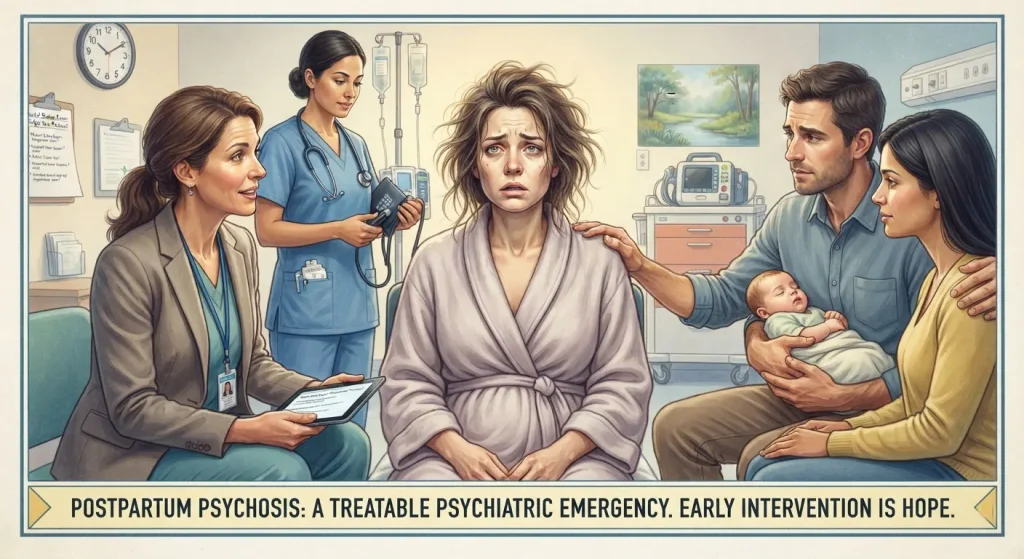
The case has also highlighted an important medical distinction. The National Institute of Mental Health describes postpartum psychosis as a serious psychiatric emergency that can involve hallucinations, delusions, mania, paranoia and confusion.
The American College of Obstetricians and Gynecologists similarly identifies postpartum psychosis as a rare but serious condition requiring immediate psychiatric help, with hospitalization usually necessary.
That distinction matters because postpartum depression is more common and can involve sadness, anxiety, exhaustion, guilt and difficulty functioning. Psychosis involves a loss of connection with reality and requires a different level of emergency intervention.
What doctors consider when prescribing medication
Psychiatric medication decisions during pregnancy and after childbirth are individualized. ACOG’s clinical guidance addresses medication treatment for depression, anxiety, bipolar disorder and acute postpartum psychosis.
ACOG also says clinicians should consider bipolar disorder screening before starting pharmacotherapy for anxiety or depression when appropriate. Treatment decisions can involve medication, psychotherapy, monitoring and coordinated psychiatric care rather than relying on a single intervention.
Newer postpartum depression treatments add another dimension
The medication landscape has also changed in recent years. The U.S. Food and Drug Administration lists zuranolone as an approved treatment for postpartum depression. ACOG notes that zuranolone is taken orally for 14 days and is one treatment option for postpartum depression in adults.
Importantly, treatments for postpartum depression should not be confused with emergency treatment for postpartum psychosis. Postpartum Support International advises immediate professional help for postpartum psychosis and emphasizes continued medical and therapeutic care following emergency treatment.
The larger question raised by the Clancy trial
The trial is not evidence that psychiatric medications caused the deaths, nor does it establish that a particular treatment approach would have prevented the tragedy. Instead, the testimony is forcing attention onto difficult questions about diagnosis, medication monitoring, sleep deprivation, postpartum psychiatric emergencies and access to specialized care.
For families, the central lesson is that severe behavioral or psychiatric changes after childbirth deserve prompt medical attention. Confusion, hallucinations, delusions, extreme agitation or thoughts of harming oneself or a baby require urgent evaluation rather than waiting for a routine appointment.
If you or someone you know may be experiencing a psychiatric emergency, contact emergency services or go to the nearest emergency department. In the United States, call or text 988 for immediate crisis support.
#LindsayClancy #LindsayClancyTrial #PostpartumPsychosis #PostpartumDepression #MaternalMentalHealth #MentalHealth #PsychiatricMedications #Healthcare #HealthNews