

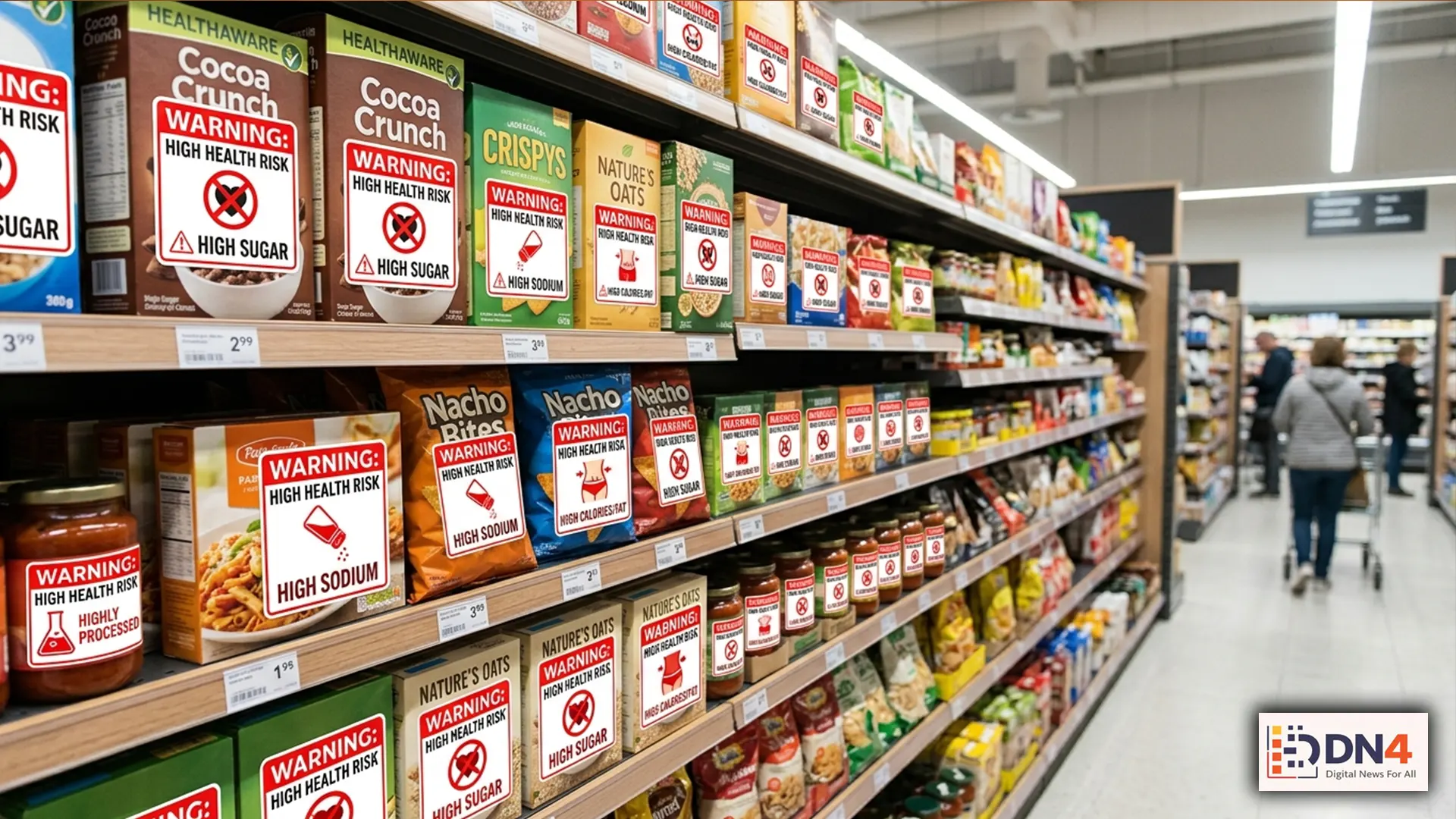
A major shift is coming to grocery stores across the United States. In 2026, new food labeling guidelines targeting ultra-processed foods (UPFs) are set to transform how Americans shop, eat, and think about nutrition.
Driven by growing health concerns and scientific research, these changes could mark the biggest evolution in food transparency since calorie labeling laws.
What Are Ultra-Processed Foods (UPFs)?
Ultra-processed foods are industrial formulations made mostly from refined ingredients and additives. According to the NOVA food classification system, UPFs include items like packaged snacks, sugary cereals, soft drinks, and ready-to-eat meals.
They often contain:
- Artificial flavors and preservatives
- High levels of sugar, salt, and unhealthy fats
- Minimal whole food ingredients
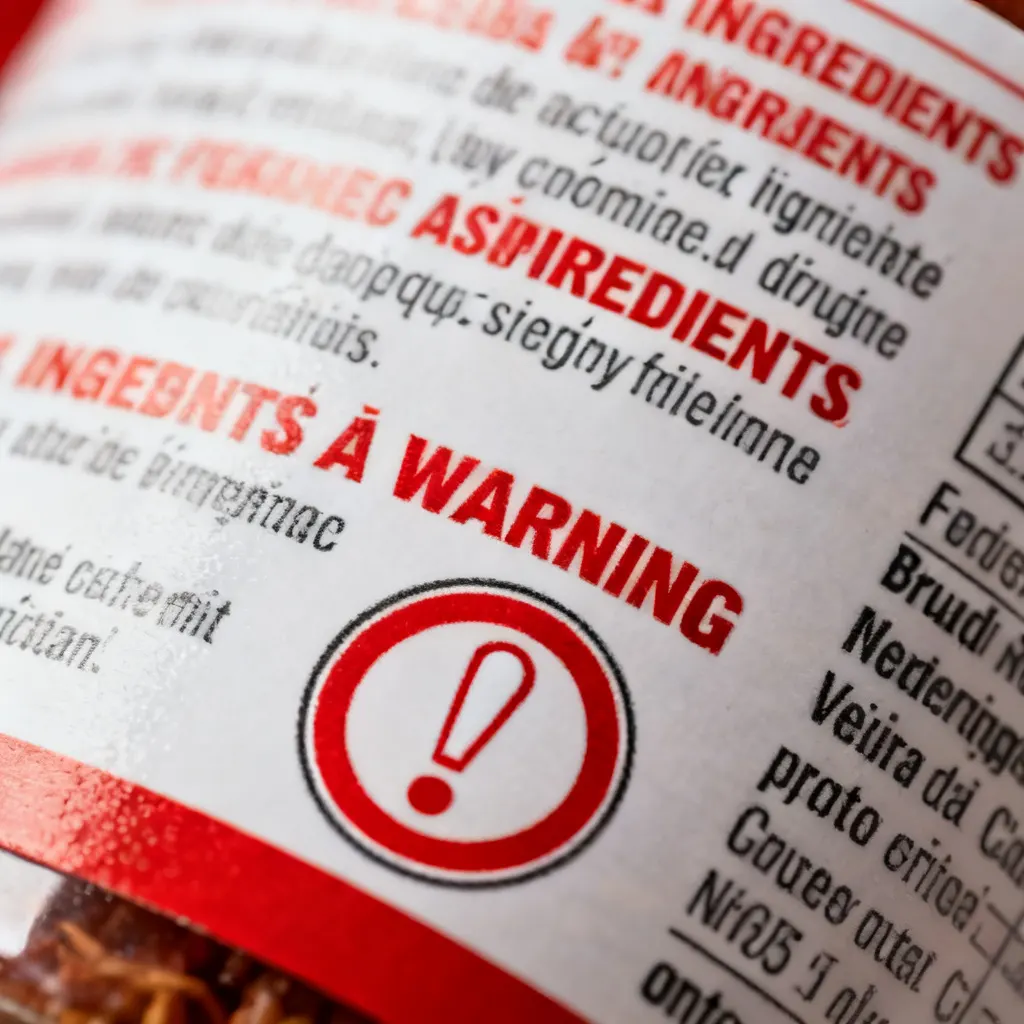
Why 2026 is a Turning Point
Health authorities, including the U.S. Food and Drug Administration (FDA), are responding to rising rates of obesity, diabetes, and heart disease.
New labeling rules are expected to:
- Clearly identify ultra-processed foods on packaging
- Highlight health risks linked to frequent consumption
- Improve transparency for consumers
How the New Labels Will Work
While final designs may vary, proposed labels could include:
- Front-of-package warnings for high UPF content
- Simple color-coded systems (similar to global models)
- Ingredient transparency indicators
This approach mirrors international efforts, such as front-label warnings used in countries tackling public health crises linked to diet.
Why UPFs Are Under Fire
Scientific studies increasingly link UPFs to serious health issues, including:
- Cardiovascular disease
- Type 2 diabetes
- Digestive disorders
- Mental health concerns
Unlike whole foods, UPFs are engineered for taste and convenience—often at the expense of nutrition.
How This Will Change Consumer Behavior
Experts predict these labels will reshape buying habits in several ways:
1. Increased Awareness
Consumers will better understand what they’re eating, leading to more informed choices.
2. Shift Toward Whole Foods
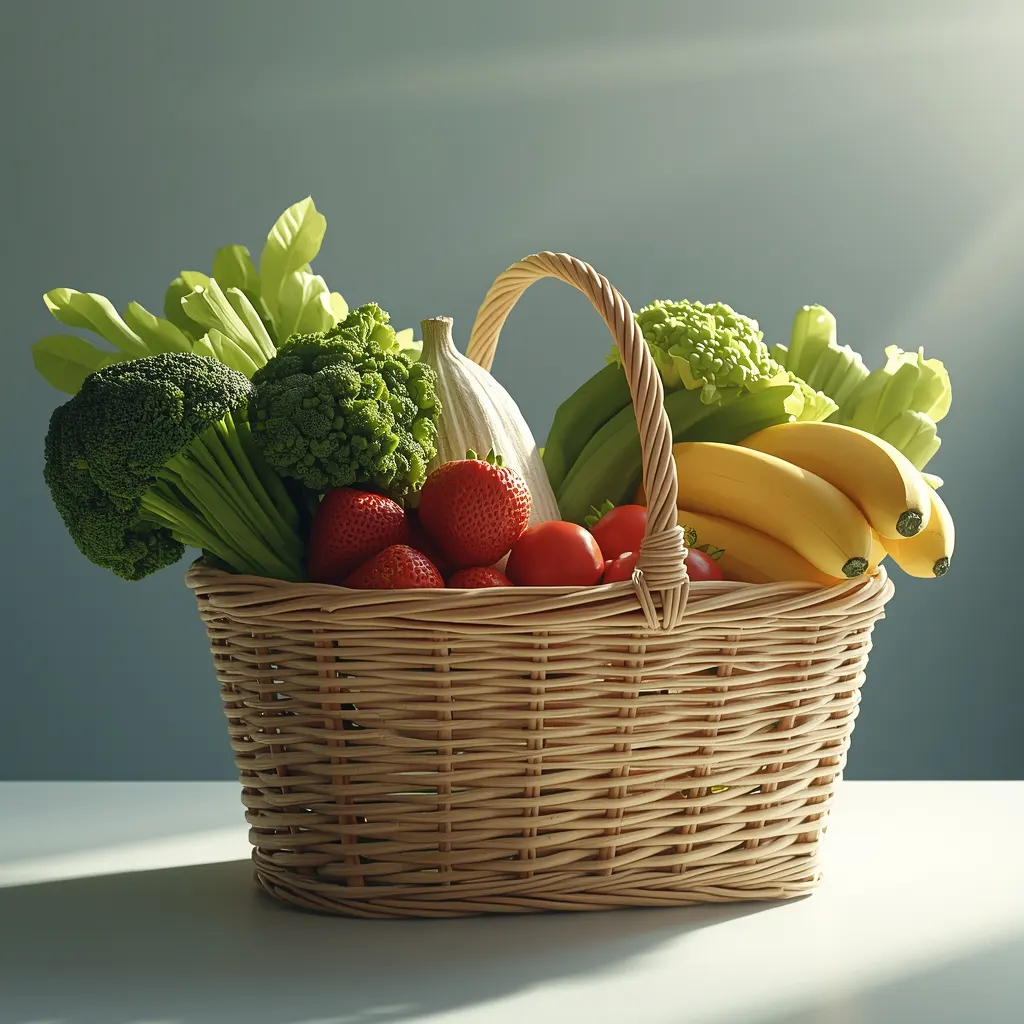
Demand for fresh and minimally processed foods is expected to rise significantly.
3. Pressure on Food Companies
Brands may reformulate products to avoid being labeled as ultra-processed.
4. Growth of Clean-Label Products
The “clean eating” movement will likely accelerate, benefiting organic and natural food sectors.
Tips to Reduce UPF Consumption
If you want to stay ahead of the trend, start now:
- Choose whole foods like fruits, vegetables, and grains
- Read ingredient lists carefully
- Limit packaged and ready-to-eat meals
- Cook more meals at home
The 2026 UPF labeling changes represent more than just new packaging—they signal a cultural shift in how Americans approach food.
As awareness grows, the future of eating may become simpler, cleaner, and healthier.
#UPF #HealthyEating #FoodLabels #Nutrition2026 #CleanEating #FoodAwareness