

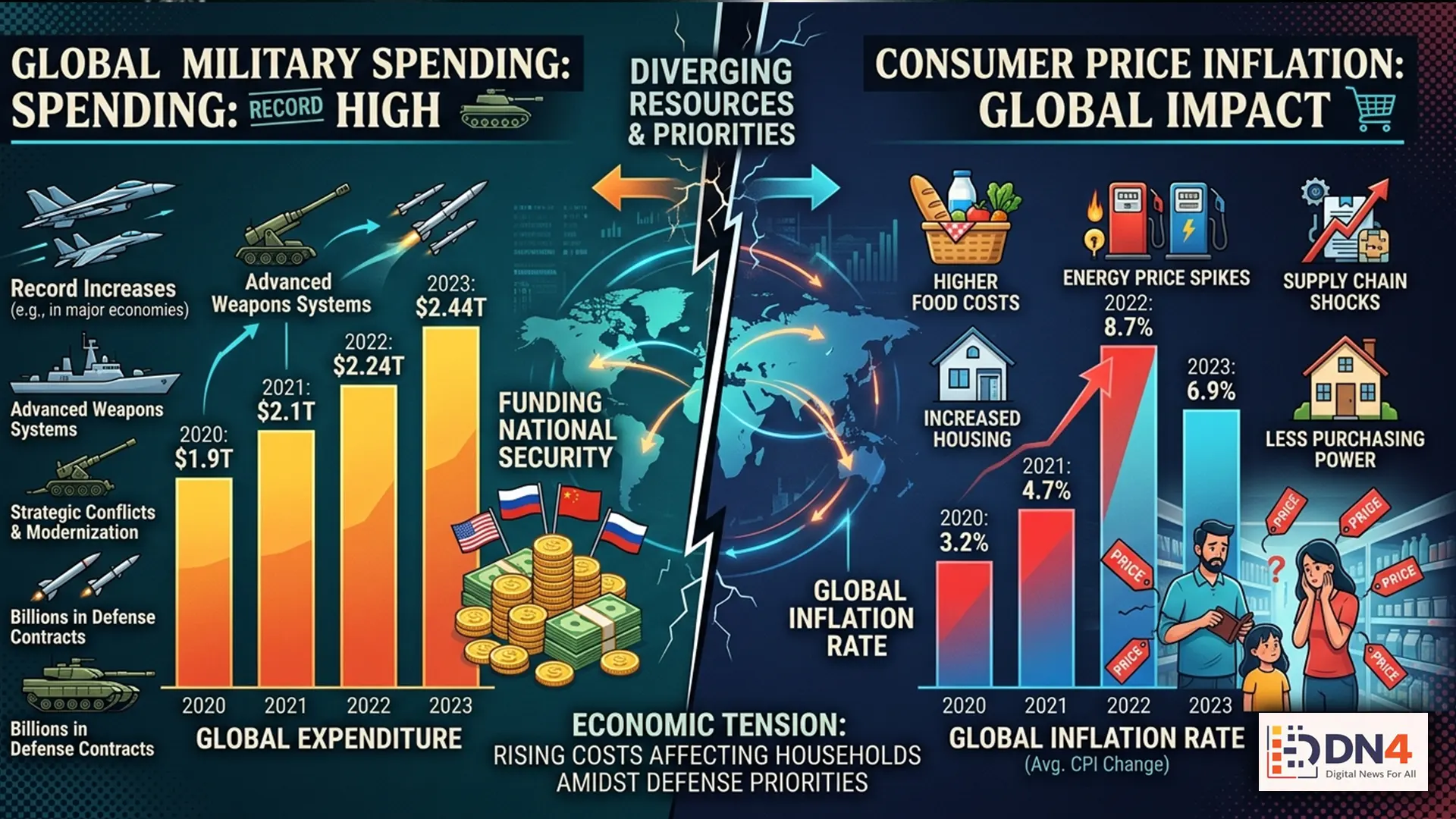
In 2026, rising inflation isn’t just about supply chains or interest rates—it’s increasingly tied to global conflict and government priorities. One of the biggest drivers? Defense spending.
As nations ramp up military budgets, the economic ripple effects are being felt in everyday life—from grocery bills to gas prices.
What is Inflation—and Why It Matters
Inflation refers to the general increase in prices over time, reducing the purchasing power of money. When inflation rises, consumers pay more for the same goods and services.
In 2026, inflation remains a key concern in major economies, particularly in the United States.
Rising Defense Spending in 2026
Global tensions have led to increased military budgets worldwide. According to data from the U.S. Department of Defense, defense spending has surged as governments respond to geopolitical instability.
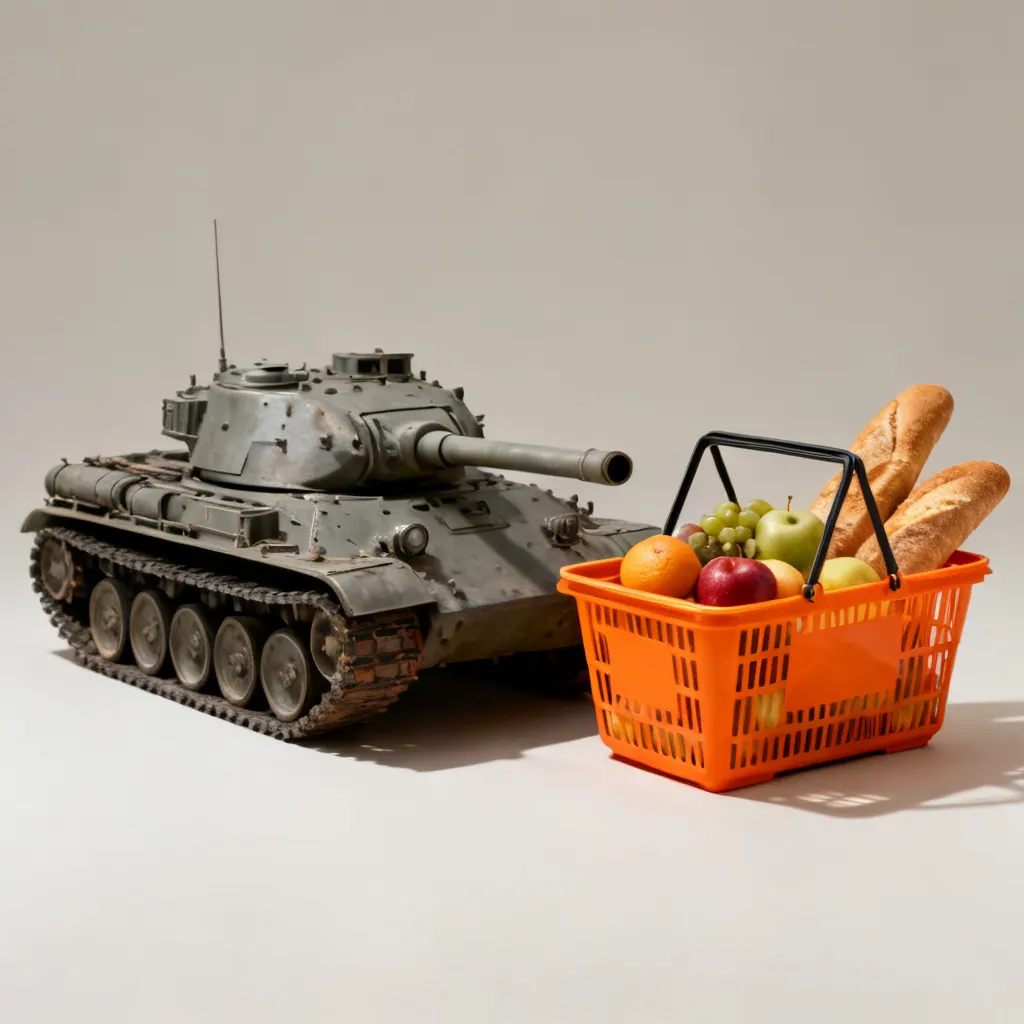
This includes investments in:
- Military equipment and technology
- Cybersecurity infrastructure
- Global troop deployments
How Defense Spending Fuels Inflation
1. Increased Government Borrowing
Higher military budgets often require increased borrowing, which can lead to more money circulating in the economy—driving inflation.
2. Resource Allocation
Funds directed toward defense reduce spending in other sectors like healthcare or infrastructure, limiting economic balance.
3. Supply Chain Pressure
Military demand for materials like fuel, metals, and technology can strain global supply chains, raising costs for consumers.
4. Energy Market Disruptions
Conflicts often impact oil supply, contributing to rising energy crisis conditions and higher fuel prices.
Real-Life Impact on Your Wallet
So how does this affect everyday consumers?
- Higher grocery bills due to increased transportation costs
- Rising fuel prices impacting commuting and travel
- Increased housing costs linked to inflation
- Reduced disposable income
In short, global events are directly influencing your cost of living.

The Balancing Act: Security vs Economy
Governments face a difficult challenge—ensuring national security while maintaining economic stability. While defense spending is necessary, it must be carefully managed to avoid long-term financial strain.
What Can You Do to Protect Yourself?
While you can’t control global politics, you can take steps to manage your finances:
- Track spending and adjust budgets
- Invest in inflation-resistant assets
- Reduce unnecessary expenses
- Stay informed about economic trends
The Bigger Picture
The connection between geopolitics and personal finance is becoming clearer than ever. In a globalized world, decisions made at the highest levels of government can quickly impact everyday life.
Inflation and defense spending are deeply interconnected in 2026. Understanding this relationship helps explain why prices are rising—and what might come next.
As global events continue to evolve, staying informed is your best financial strategy.
#Inflation #DefenseSpending #Economy2026 #CostOfLiving #FinanceTips #GlobalEconomy