

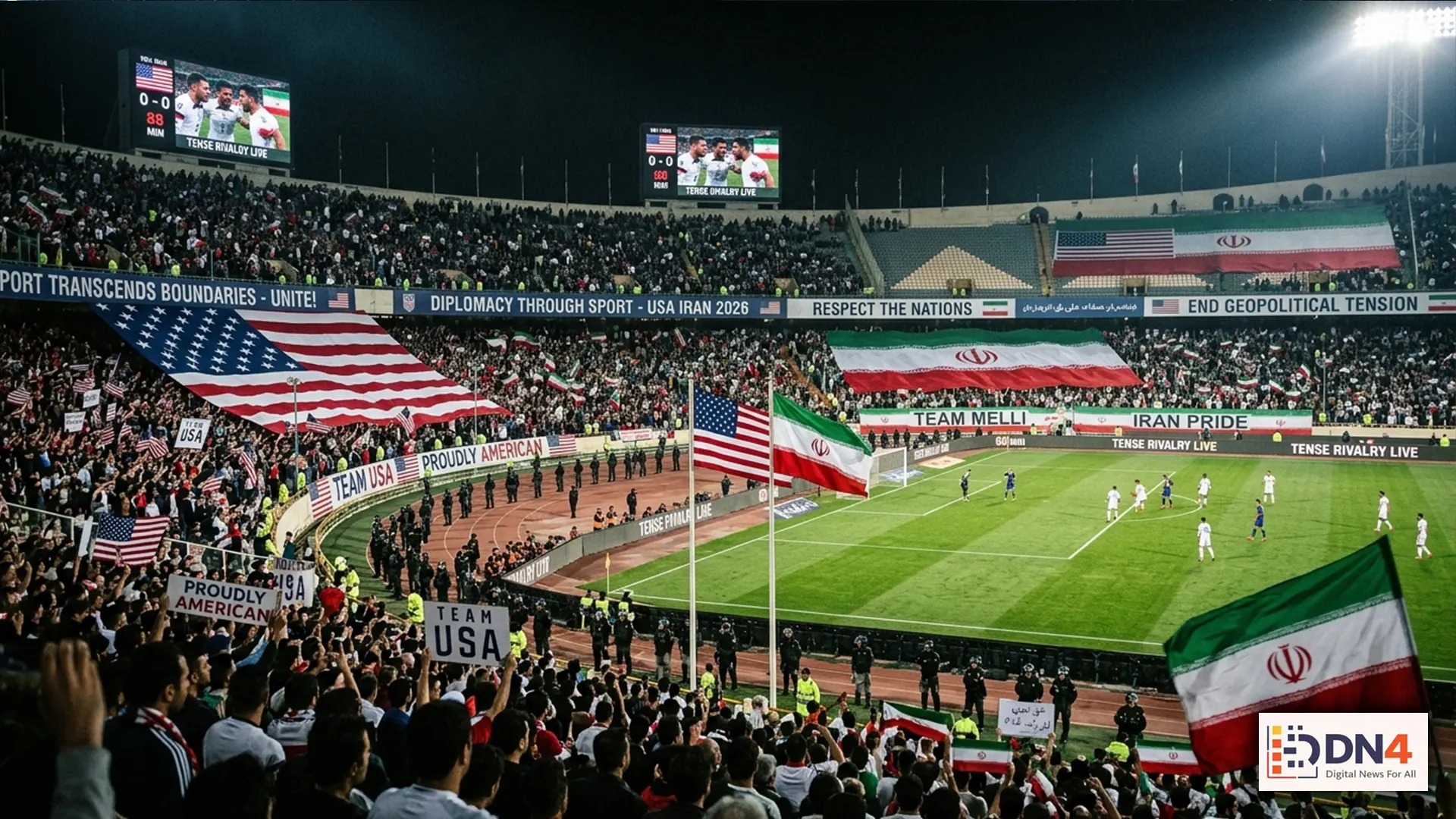
The 2026 FIFA World Cup, hosted by the United States, Canada, and Mexico, is shaping up to be more than just a sporting event. Iran’s participation has become a global talking point, highlighting how deeply geopolitics can intersect with international sports.
Why Iran’s Participation is Controversial
Iran qualified for the tournament on merit, but ongoing tensions with the United States have created uncertainty. The geopolitical backdrop—including military conflict and diplomatic strain—has raised serious questions about logistics, safety, and even eligibility.
Reports suggest Iran initially requested that its matches be moved outside the U.S., citing security concerns. However, FIFA has maintained its stance that the schedule will remain unchanged.
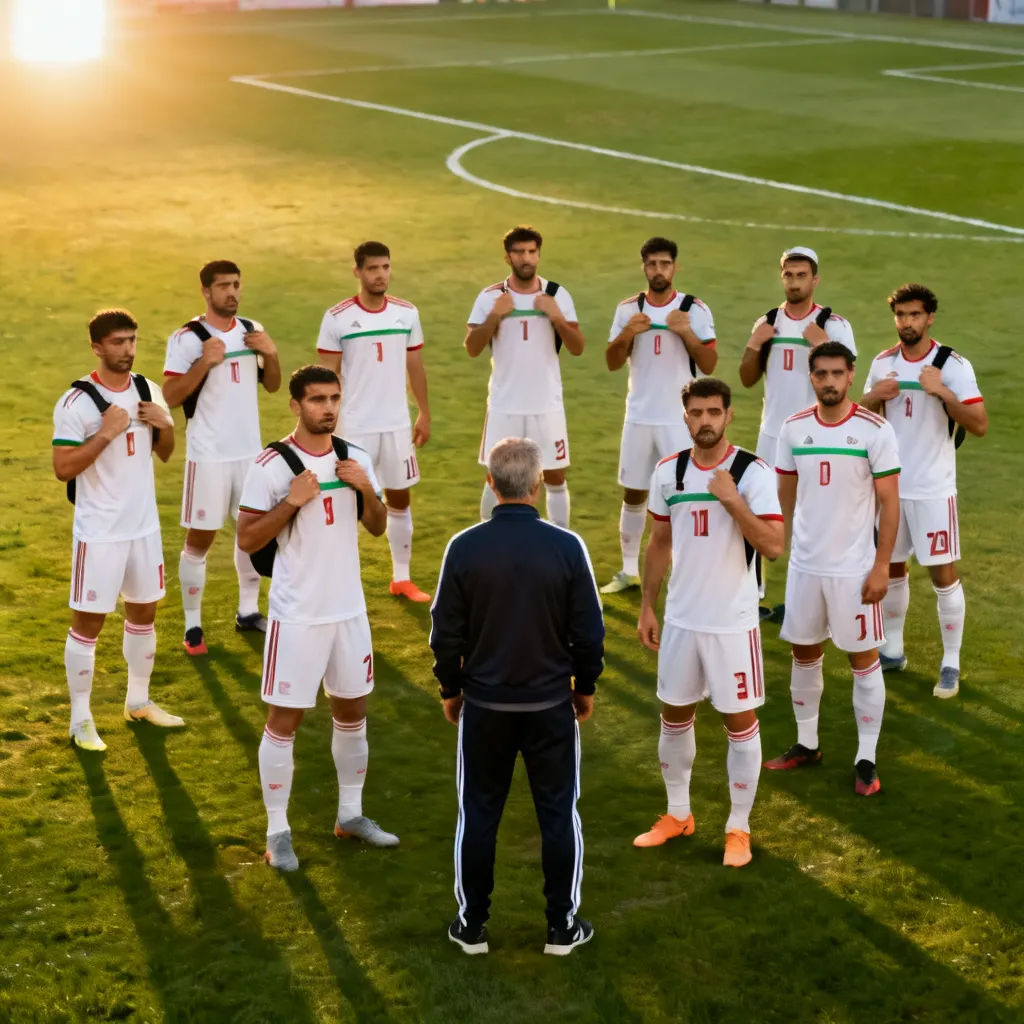
FIFA’s Position: Keep Politics Out of Football
The governing body FIFA has consistently emphasized that sports should remain separate from politics. FIFA President Gianni Infantino has reiterated that Iran will participate, stressing unity and inclusion.
This reflects FIFA’s long-standing principle: global tournaments should act as a bridge between nations, even during times of conflict.
Geopolitical Tensions at Play
The situation is complicated by ongoing tensions between Iran and the United States. These tensions impact several key areas:
- Visa and travel restrictions for players and staff
- Security concerns for teams and fans
- Diplomatic signaling through participation or withdrawal
In extreme scenarios, experts have even discussed the possibility of Iran withdrawing or being replaced—though such outcomes remain unlikely.
The Politics of Replacement Debate
Adding to the controversy, reports emerged suggesting that Iran could be replaced by another nation if geopolitical tensions escalate. While speculative, this highlights how political pressure can influence even the world’s biggest sporting events.
Such a move would be unprecedented in modern World Cup history and could set a controversial precedent.
Impact on Fans and Global Viewership
Geopolitical tensions don’t just affect teams—they also impact fans:
- Travel uncertainties due to visa policies
- Rising costs linked to global instability
- Concerns about safety at host venues
Despite this, the World Cup is still expected to attract millions of viewers worldwide.
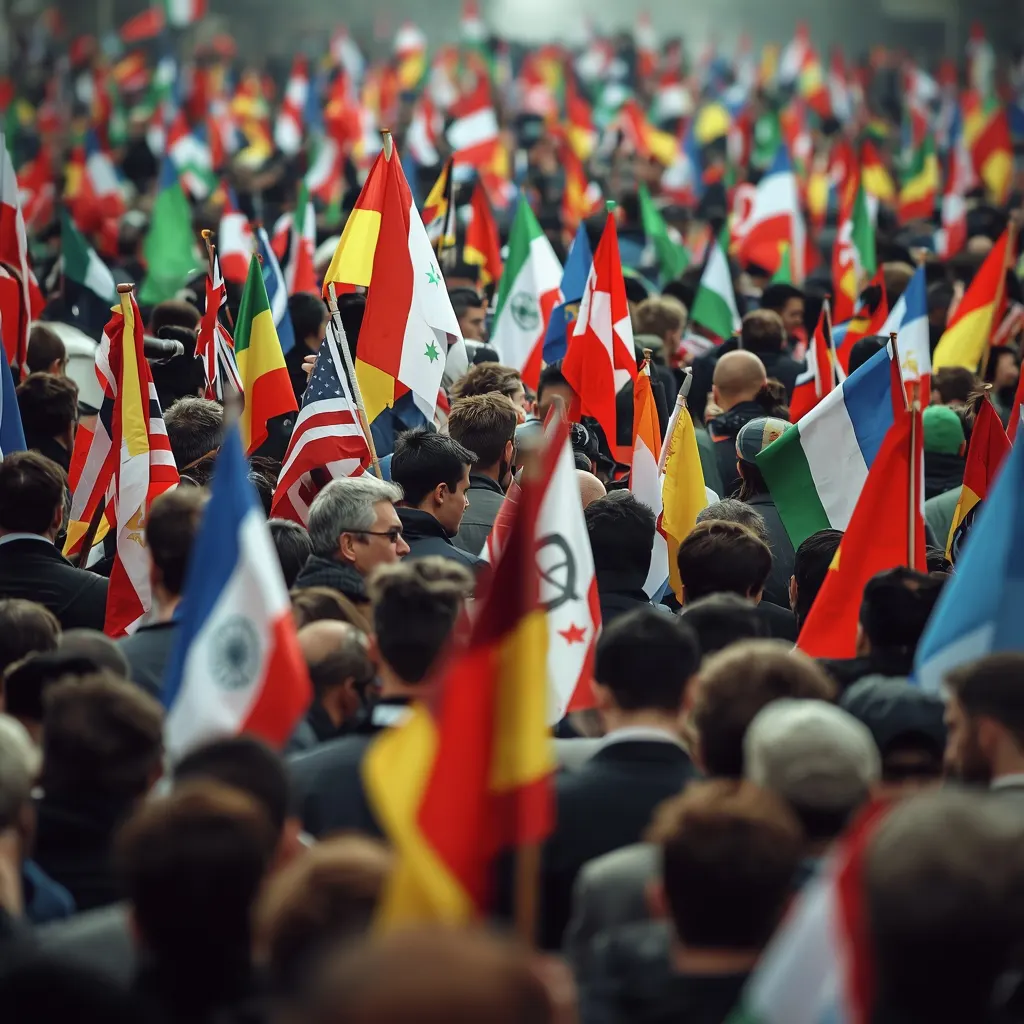
Sports as Diplomacy—or Division?
Historically, sports have played a role in easing tensions between nations. Events like the World Cup can serve as platforms for soft diplomacy, bringing countries together through shared passion.
However, they can also expose divisions, especially when political conflicts are ongoing.
What Happens Next?
As of now, Iran is expected to compete in the 2026 World Cup. Officials from both FIFA and Iran have indicated their commitment to participation, though the situation remains fluid.
The coming months will be crucial in determining whether sport can truly remain separate from politics—or whether geopolitics will reshape the tournament.
Iran’s World Cup journey is no longer just about football—it’s a reflection of global power dynamics. The 2026 tournament may become a defining moment in how international sports handle political conflict.
In a world increasingly shaped by geopolitics, even the beautiful game is not immune.
#WorldCup2026 #Geopolitics #IranUSA #FIFA #SportsPolitics #GlobalNews