

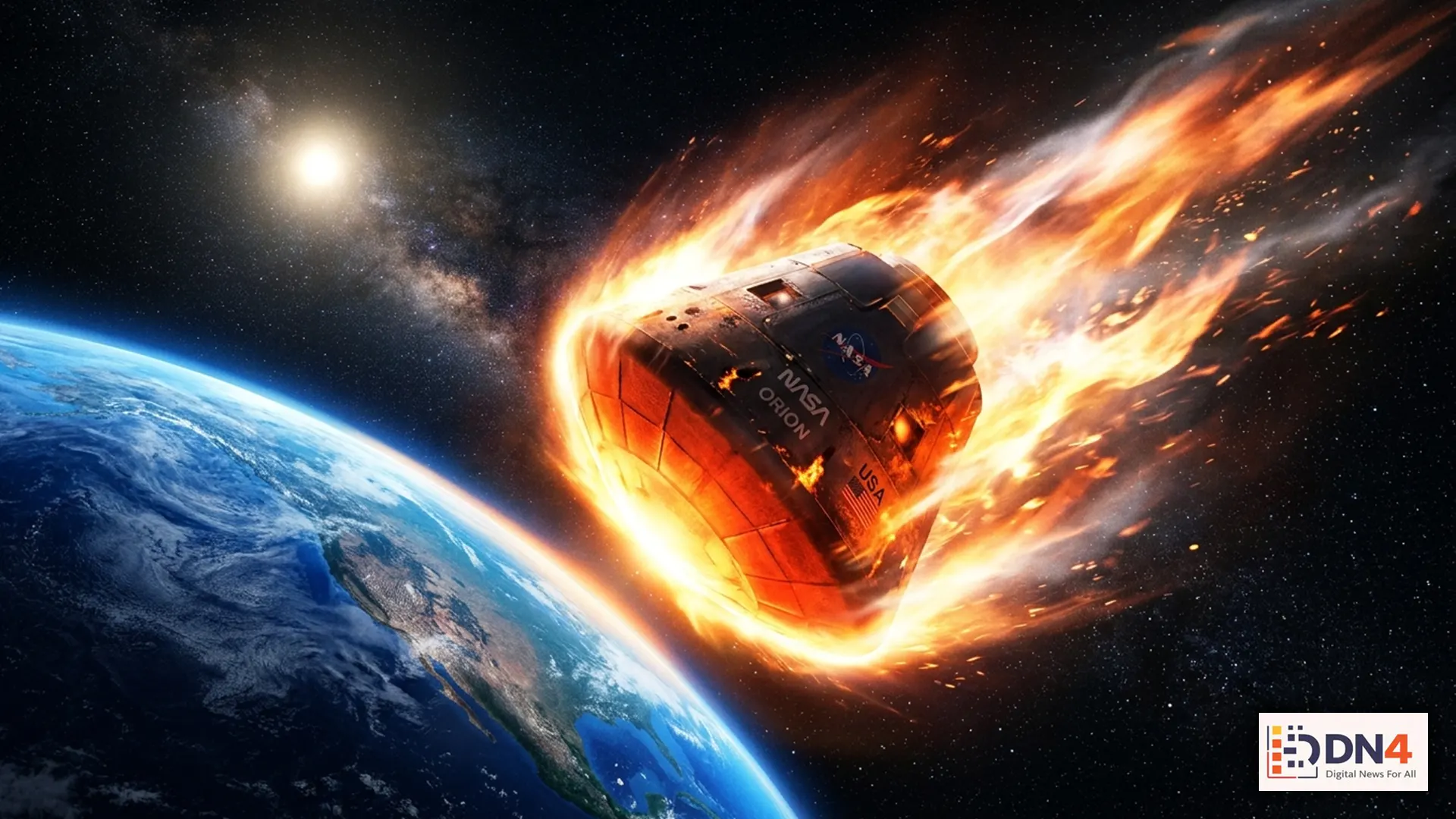
As Artemis II prepares to carry humans around the Moon, one critical question remains: has NASA truly solved the heat shield issue that raised concerns during Artemis I?
Dubbed the “char crisis,” the problem centered around unexpected material behavior on the spacecraft’s heat shield during re-entry. Now, after billions in investment and extensive testing, NASA says it has a fix—but experts are still watching closely.
What Was the ‘Char Crisis’?
During the uncrewed Artemis I mission, engineers observed unusual erosion patterns on the heat shield of the Orion spacecraft. The shield, designed to protect the capsule from extreme temperatures, showed more wear than expected.
This raised concerns because re-entry temperatures can exceed 2,700°C (5,000°F), making the heat shield one of the most critical safety components.
Why the Heat Shield Matters
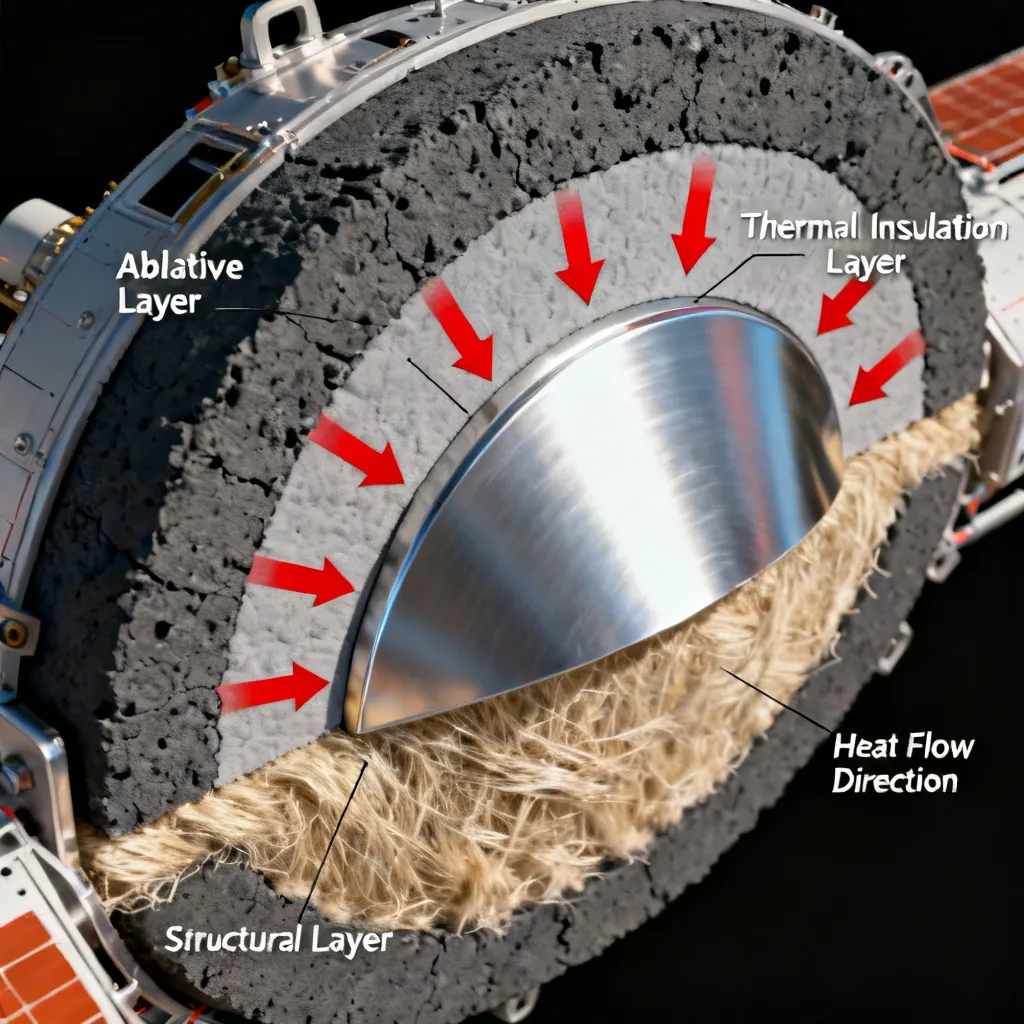
The heat shield ensures astronaut safety during the most dangerous phase of space travel—re-entry into Earth’s atmosphere. Without proper protection, the spacecraft would not survive the intense heat and friction.
NASA uses advanced materials based on ablative heat shield technology, which works by slowly burning away to dissipate heat.
NASA’s $4 Billion Fix
NASA has invested heavily in analyzing and improving the heat shield system for Artemis II. Key changes include:
- Refined manufacturing processes for the shield material
- Improved bonding techniques to prevent uneven erosion
- Enhanced testing simulations replicating real re-entry conditions
According to NASA, the issue was not a failure, but a result of complex re-entry dynamics that are now better understood.
What Experts Are Saying
While NASA remains confident, some experts caution that Artemis II will be the real test. Unlike Artemis I, this mission will carry astronauts, raising the stakes significantly.
Independent analysts suggest that while improvements are promising, real-world conditions can still present unexpected challenges.
What This Means for Artemis II
Artemis II is a crucial step in NASA’s broader Artemis program, which aims to return humans to the Moon and eventually reach Mars.
If the heat shield performs as expected, it will validate years of research and pave the way for future missions.
The Bigger Picture: Space Exploration Risks
Space exploration has always involved risk and innovation. Every mission contributes valuable data that improves safety and technology.
The “char crisis” highlights how even successful missions can reveal critical insights for future improvements.
NASA’s $4 billion effort to address the Artemis heat shield issue represents both the complexity and ambition of modern space exploration.
Whether the fix holds up will be revealed when Artemis II returns to Earth—but one thing is certain: the world will be watching.
#NASA #ArtemisII #SpaceExploration #HeatShield #MoonMission #SpaceTech