

Streaming price hikes are testing the patience of American viewers who once embraced online entertainment as a cheaper alternative to cable TV. Today, rising subscription fees, advertising breaks and fragmented content libraries are making households reconsider how much they are willing to pay for digital entertainment.
According to Deloitte’s 2026 Digital Media Trends survey, 73% of consumers are frustrated by repeated streaming price increases. More importantly, 61% say they would consider canceling their favorite service if its monthly price rose by another $5.
Streaming Price Hikes Are Reshaping Household Budgets
The streaming industry is moving away from its original low-cost promise. Major platforms are raising prices as they pursue profitability, invest in programming and compete for advertising revenue.
Reuters reported in September 2026 that Disney planned additional price increases across several Disney+ and Hulu subscriptions. The reported changes affected both ad-free plans and standalone ad-supported subscriptions.
Meanwhile, S&P Global Market Intelligence found that average US entry-level streaming prices reached $10.77 per month by the end of the first quarter of 2026. Ad-free plans have generally experienced faster price growth than lower-cost, ad-supported options.
Are Viewers Getting Tired of Paying for Ads?
Ad-supported plans were introduced as a way to make streaming more affordable. However, consumers may feel disappointed when a monthly bill increases while commercials remain part of the viewing experience.
The trend is not a simple rejection of advertising. Deloitte found that 68% of streaming subscribers had at least one ad-supported service in 2026, up from 46% in 2024. Many viewers still accept advertisements when the savings justify them. The frustration grows when lower-cost plans become more expensive without delivering a noticeably better experience.
Netflix’s official plan information outlines the differences between its ad-supported and ad-free subscriptions, including features and monthly prices. Those differences can help customers decide whether the cheaper option still meets their needs.
Cancellations and Free Alternatives Gain Ground
Consumers are increasingly treating subscriptions as flexible expenses rather than permanent commitments. A Reviews.org survey published in June 2026 found that 52% of respondents had canceled or downgraded a streaming service because of a price increase. Another 43% said they were likely to cancel at least one service within three months.
Some viewers now subscribe only when a highly anticipated series arrives, then cancel after finishing it. Others rotate between platforms, share eligible household plans or switch to free, advertising-funded services.
The Guardian’s September 2026 analysis described growing frustration with what has become known as “streamflation,” as subscription bills climb and viewers question the value they receive.
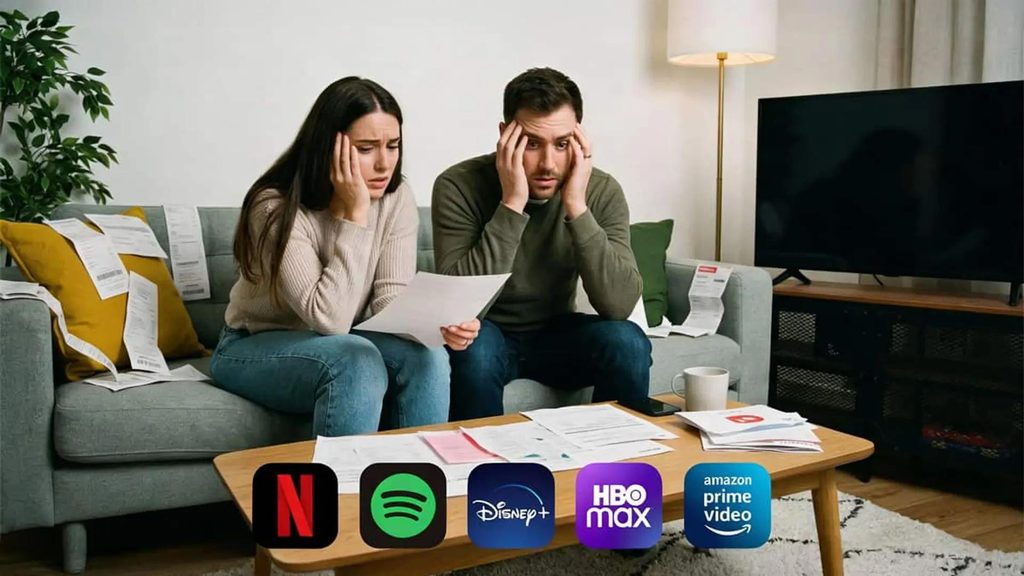
Can Streaming Companies Win Back Consumer Trust?
Streaming platforms face a difficult balance. Higher prices can support content spending, but excessive increases may encourage cancellations and make free competitors more attractive. Clear pricing, reliable release schedules, useful bundles and meaningful differences between subscription tiers could help restore confidence.
For viewers, the practical response is to review monthly bills, cancel rarely used services and compare the annual cost of ad-supported and ad-free plans. The future of streaming will depend not only on exclusive shows, but also on whether consumers believe the experience is worth the price.
#StreamingPriceHikes #StreamingServices #Netflix #DisneyPlus #Hulu #ConsumerBacklash #StreamingFatigue #SubscriptionCosts #EntertainmentNews