

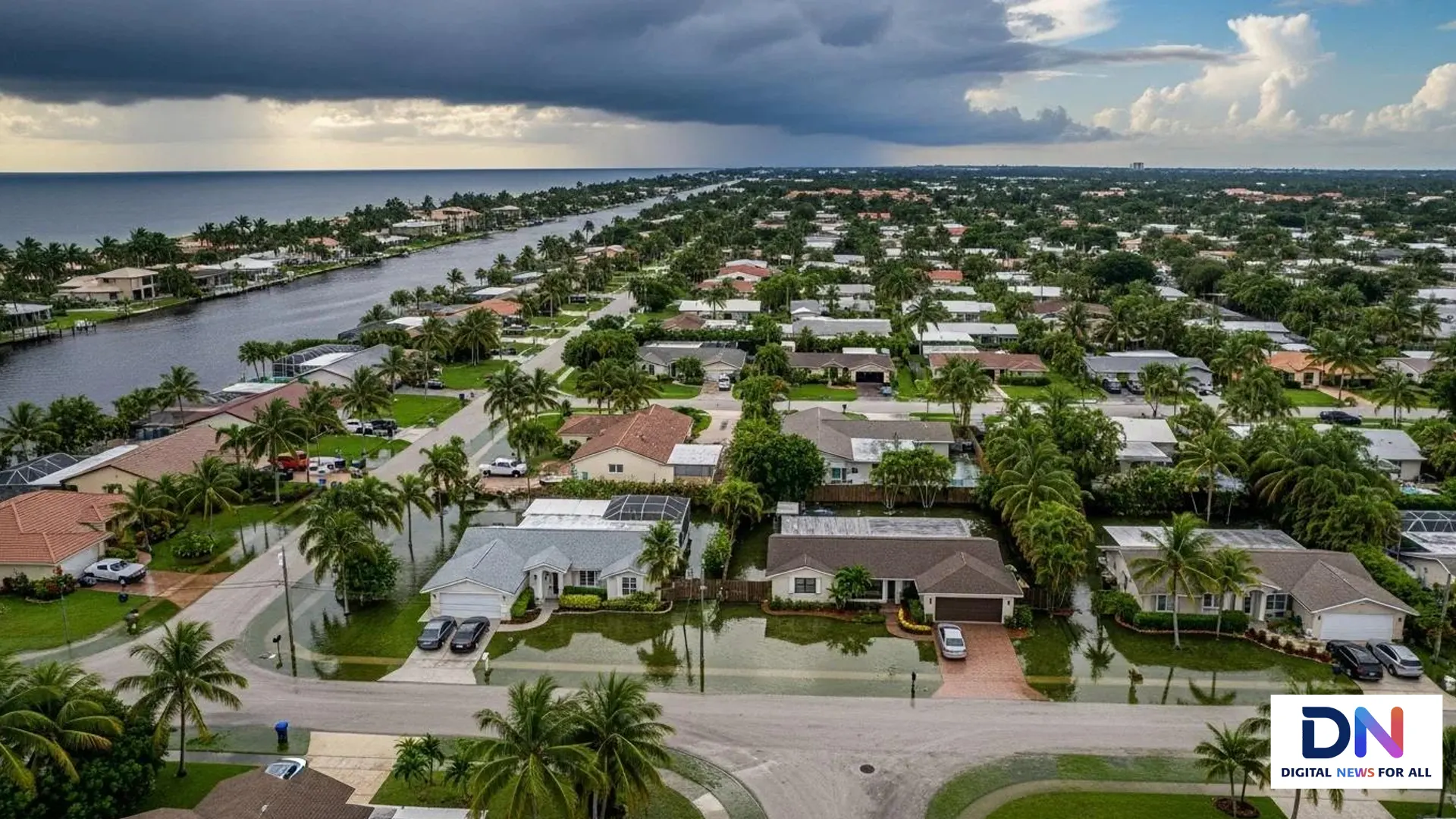
Coastal flood insurance costs are becoming a growing concern for homeowners across Florida and the Mid-Atlantic. Rising flood exposure, expensive storm damage, rebuilding costs, and changing insurance risk assessments are putting pressure on household budgets. For some property owners, the challenge is no longer just paying higher premiums. It is finding suitable coverage at all.
Why Coastal Home Insurance Costs Keep Rising
Florida faces significant exposure to hurricanes, storm surge, wind damage, and coastal flooding. Parts of the Mid-Atlantic also face risks from high tides, intense rainfall, rising seas, and powerful coastal storms. These threats can increase the expected cost of future insurance claims.
A 2026 Government Accountability Office report found that U.S. homeowners insurance premiums rose about 27% between 2019 and 2024 before adjusting for inflation. However, increases varied widely by location. Some coastal ZIP codes experienced much sharper real-term increases than the national average.
Insurers also face higher labor, materials, and rebuilding expenses after major disasters. When claims become more expensive, companies may raise rates, tighten policy terms, or reduce their exposure in higher-risk markets. These pressures can affect coastal homeowners even when their individual properties have not experienced recent flood damage.
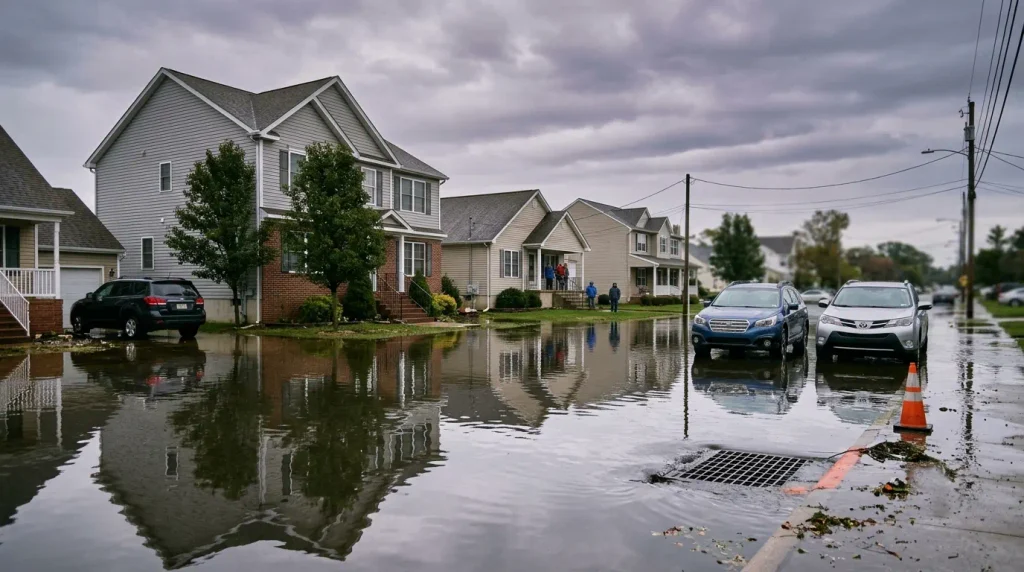
Flood Insurance Is Different From Homeowners Insurance
One crucial detail often surprises homeowners: standard homeowners insurance generally does not cover flood damage. Separate flood insurance may be necessary to protect a house and its contents from rising water.
The federal National Flood Insurance Program calculates premiums using property-specific factors, including location, elevation, building characteristics, and selected coverage. Private insurers may offer additional options, but availability and prices vary by market.
Federal watchdogs have also highlighted a substantial coverage gap. A GAO flood insurance report published in October 2026 estimated that 86% of high-flood-risk properties lacked National Flood Insurance Program coverage as of April 2026. It also found that federal flood maps do not capture every source of risk, particularly flooding caused by heavy rainfall.
Florida and the Mid-Atlantic Face Different Pressures
In Florida, hurricane exposure, wind losses, and coastal flooding can influence both homeowners and flood insurance markets. The state’s insurance landscape also reflects rebuilding expenses, litigation history, and regulatory changes. The Florida Office of Insurance Regulation provides official information about the state’s insurance market and regulatory activity.
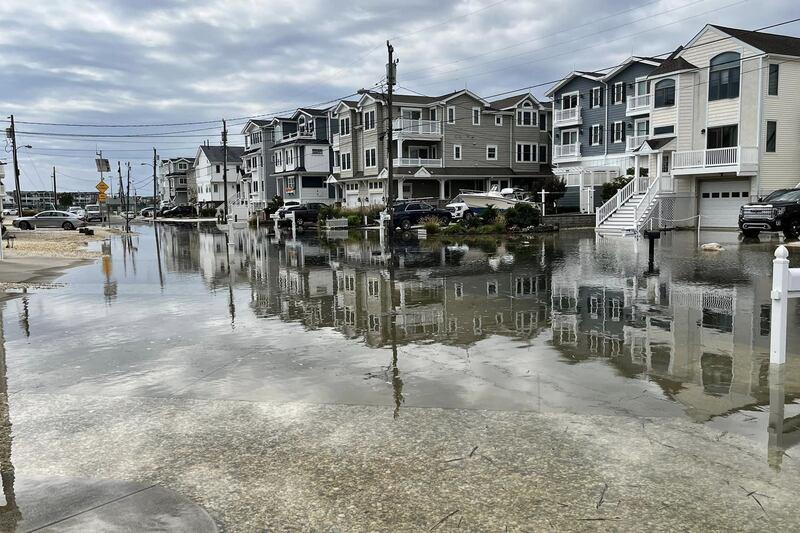
Across the Mid-Atlantic, conditions vary between coastal communities, riverfront neighborhoods, and inland areas vulnerable to intense rainfall. The NOAA Sea Level Rise Viewer helps residents explore potential coastal inundation scenarios. Homeowners can also consult FEMA’s Flood Map Service Center to check official flood-map information for a property.
What Homeowners Can Do Now
Homeowners should review both their homeowners and flood insurance policies, checking exclusions, deductibles, coverage limits, and replacement-cost provisions. They can compare quotes from licensed insurers and ask whether flood vents, elevated utilities, drainage improvements, or other mitigation measures could affect eligibility or pricing.
Residents should also review local flood history and evacuation guidance. The Ready.gov flood preparedness guide offers practical steps for protecting households before flooding occurs.
The Outlook for Coastal Property Owners
Flood risk does not automatically make every coastal home uninsurable. However, premiums, deductibles, and coverage availability increasingly depend on the property’s specific exposure and the local insurance market. Better risk information and resilient construction can help homeowners prepare, but affordability remains a serious challenge for many communities.
As flood threats and insurance costs evolve, understanding the difference between property coverage and flood protection is essential. For buyers and existing homeowners alike, insurance costs now deserve careful attention alongside mortgage payments, maintenance, and long-term property value.
#FloodInsurance #Florida #MidAtlantic #CoastalFlooding #HomeownersInsurance #ClimateRisk #SeaLevelRise #RealEstate #FEMA