

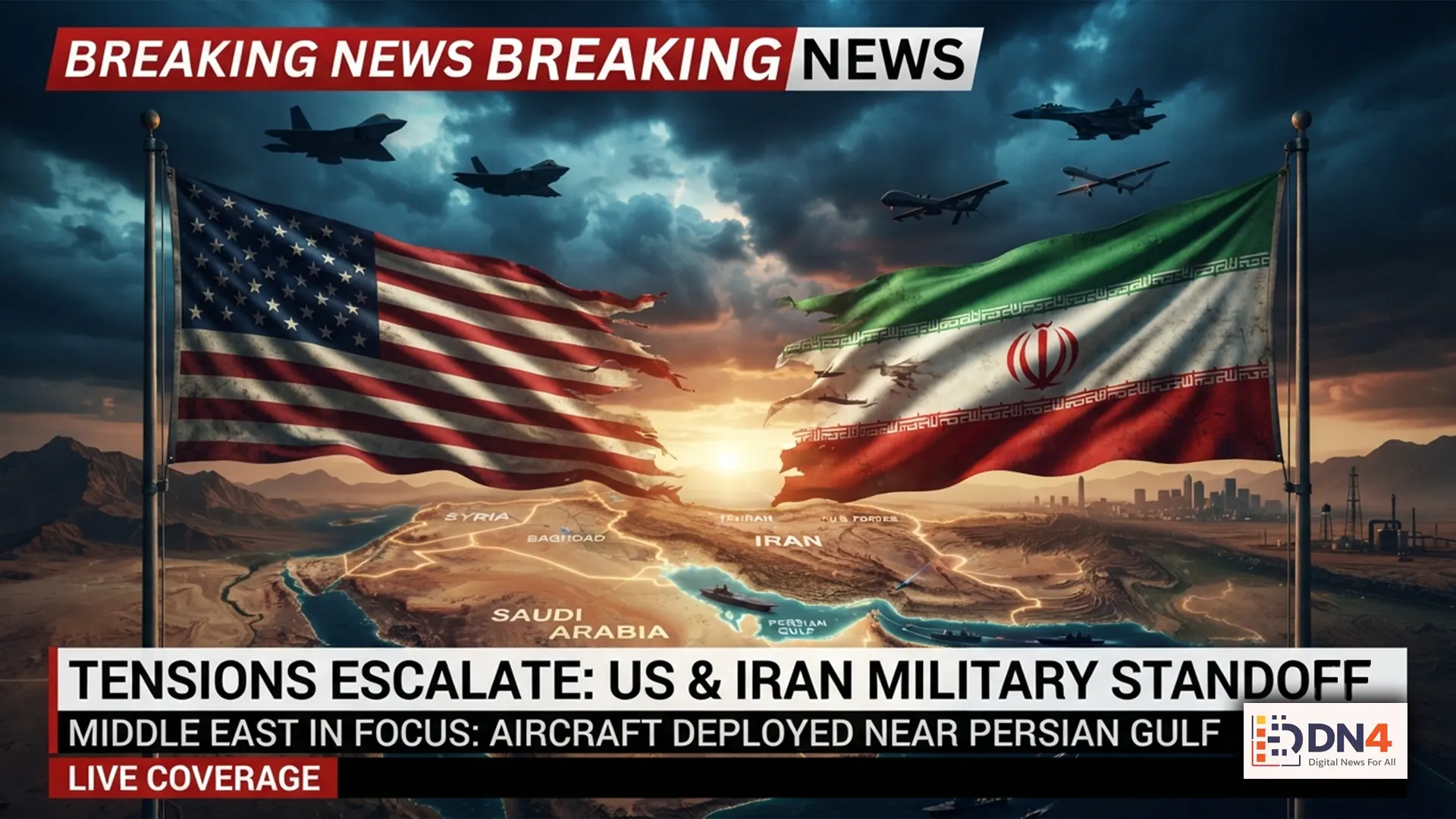
Tensions between the United States and Iran have intensified following a series of military strikes, retaliatory actions, and diplomatic warnings. The latest developments have renewed concerns about stability across the Middle East, with governments and international organizations urging restraint to prevent a broader regional conflict. While both nations have avoided declaring war, each new exchange has increased fears that miscalculation could trigger a much larger crisis.
The confrontation involves direct military actions as well as proxy groups operating across Iraq, Syria, Lebanon, Yemen, and the wider Gulf region. Analysts continue to monitor developments closely because even limited strikes can quickly affect regional security, global energy markets, and international diplomacy.
Timeline of the Latest Escalation
The current phase of tensions follows a series of military operations and retaliatory strikes involving U.S. forces, Iranian interests, and regional allies. Official updates from the U.S. Department of Defense and statements from the U.S. Department of State have outlined Washington’s position, while Iranian officials have issued responses through state media and diplomatic channels.
Each military exchange has prompted renewed calls for de-escalation. The United Nations News has reported repeated appeals from international leaders urging all parties to avoid actions that could expand the conflict beyond its current scope.
Why Experts Fear a Regional War
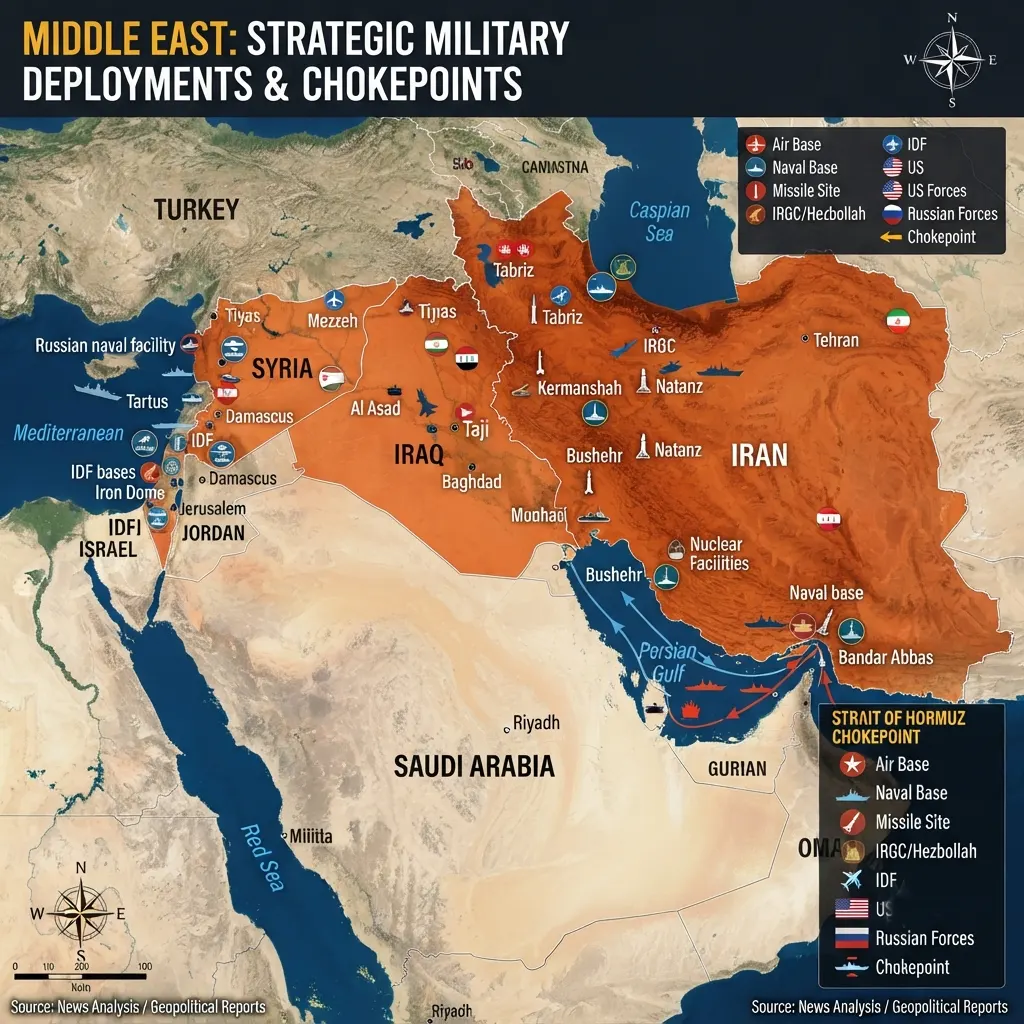
Security analysts warn that the greatest risk lies in the involvement of regional proxy groups and neighboring countries. Armed organizations operating in Iraq, Syria, Lebanon, and Yemen have previously launched attacks linked to broader regional tensions. Any significant escalation could draw additional governments into the conflict and increase instability across the Middle East.
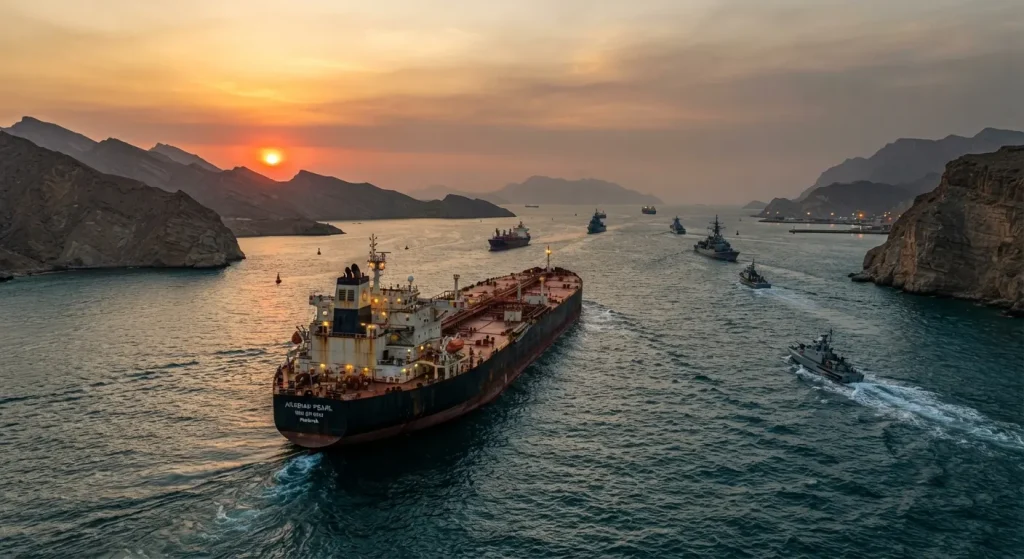
Military experts also note that strategic waterways such as the Strait of Hormuz remain critical to global energy supplies. According to the U.S. Energy Information Administration, a substantial portion of the world’s oil exports passes through the region, making geopolitical stability essential for international markets.
Global Economic and Diplomatic Impact
Financial markets often react quickly to developments involving the United States and Iran. Rising tensions can influence oil prices, shipping costs, insurance rates, and investor confidence. Governments across Europe, Asia, and the Middle East continue diplomatic efforts aimed at preventing further escalation while protecting international trade routes.
Organizations such as the North Atlantic Treaty Organization (NATO) and the International Atomic Energy Agency (IAEA) continue to monitor security developments and nuclear-related issues that may affect regional stability.
What Happens Next?
The situation remains highly fluid. Military responses, diplomatic negotiations, and international mediation efforts could all shape the next phase of the crisis. Analysts emphasize that communication between governments remains essential to reducing the risk of accidental escalation and preventing a wider conflict.
Trusted news organizations including Reuters, The Associated Press, and BBC News continue to provide verified updates as events develop. Although concerns about a regional war remain significant, the ultimate outcome will depend on military decisions, diplomatic engagement, and the willingness of all parties to avoid further escalation.
#USIran #MiddleEast #Iran #UnitedStates #RegionalConflict #Geopolitics #BreakingNews #WorldNews