

Tesla once again demonstrated its manufacturing strength during the second quarter of 2026 by reporting record vehicle deliveries. Yet despite shipping more electric vehicles than ever before, investors reacted negatively, sending Tesla’s stock lower after earnings. The disconnect highlights a growing concern on Wall Street: strong sales alone are no longer enough if profitability continues to weaken.
The latest earnings report reveals a company balancing aggressive growth with increasing competitive pressure. While Tesla remains one of the world’s largest electric vehicle manufacturers, analysts are focusing more on margins, pricing strategies, and future revenue growth than headline delivery numbers.
Record Deliveries Couldn’t Offset Margin Concerns
Tesla achieved another quarterly delivery record, reflecting sustained global demand for its Model 3, Model Y, Cybertruck, and expanding energy storage business. Delivery figures published on the Tesla Investor Relations website exceeded many analyst expectations.
However, investors quickly shifted attention to operating margins, which remained under pressure as Tesla continued offering price incentives in several key markets. Analysts following the company through the U.S. Securities and Exchange Commission (SEC) filings noted that lower average selling prices reduced profitability despite higher sales volumes.
Why Tesla’s Profit Margins Continue to Shrink
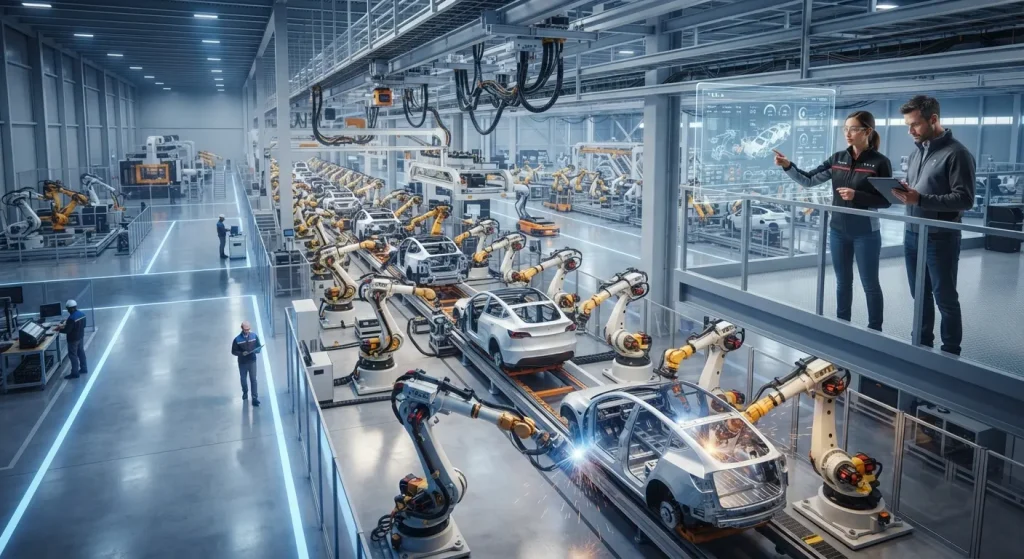
Over the past two years, Tesla has repeatedly reduced vehicle prices to remain competitive against traditional automakers and rapidly expanding Chinese EV manufacturers. While lower prices help maintain market share, they also reduce gross margins.
Rising manufacturing costs, investments in artificial intelligence, autonomous driving technology, battery research, and global factory expansion continue adding pressure to operating expenses. Industry analysis published by the International Energy Agency (IEA) also shows increasing competition across the global EV market.
Wall Street Wanted Better Earnings
Financial markets generally reward companies that grow both revenue and profits. Although Tesla continued expanding deliveries, earnings growth failed to match investor expectations. Analysts from major financial institutions have increasingly emphasized free cash flow, operating income, and long-term profitability rather than delivery numbers alone.
Current market sentiment also reflects uncertainty surrounding future interest rates, consumer demand for premium electric vehicles, and global economic conditions. The Federal Reserve has maintained higher borrowing costs compared with previous years, making vehicle financing more expensive for consumers.

Energy Business Offers Long-Term Growth
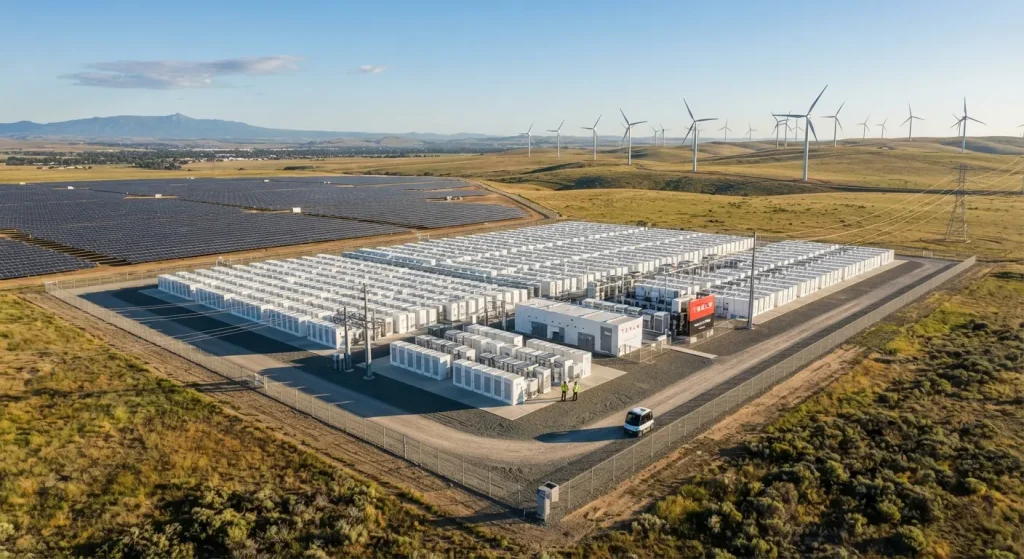
One area generating optimism is Tesla’s energy storage division. Megapack deployments continue to grow as utilities and governments invest heavily in renewable energy infrastructure. According to the U.S. Department of Energy, battery storage is becoming increasingly important for modern power grids.
Analysts believe Tesla’s energy business could become one of the company’s fastest-growing profit centers over the next several years, helping diversify revenue beyond electric vehicles.
Autonomous Driving Remains a Key Catalyst
Tesla also continues investing aggressively in Full Self-Driving (FSD), artificial intelligence, robotics, and autonomous vehicle technology. Investors are closely monitoring regulatory developments from the National Highway Traffic Safety Administration (NHTSA) regarding advanced driver assistance systems.
If Tesla successfully commercializes fully autonomous driving at scale, many analysts believe the company’s long-term valuation could increase substantially.
Why the Stock Dropped Despite Strong Deliveries
Ultimately, Tesla’s Q2 2026 results reinforced a familiar market lesson: revenue growth matters, but profitability drives valuation. Investors welcomed record deliveries but remained concerned about shrinking margins, continued price competition, and slower earnings growth.
Looking ahead, Wall Street will closely monitor Tesla’s ability to improve margins while maintaining strong delivery growth. Upcoming developments in AI, autonomous driving, energy storage, and next-generation vehicle production will likely determine whether Tesla can regain investor confidence during the second half of 2026.
#Tesla #TSLA #ElectricVehicles #EV #StockMarket #Earnings #ElonMusk #Investing #BusinessNews