

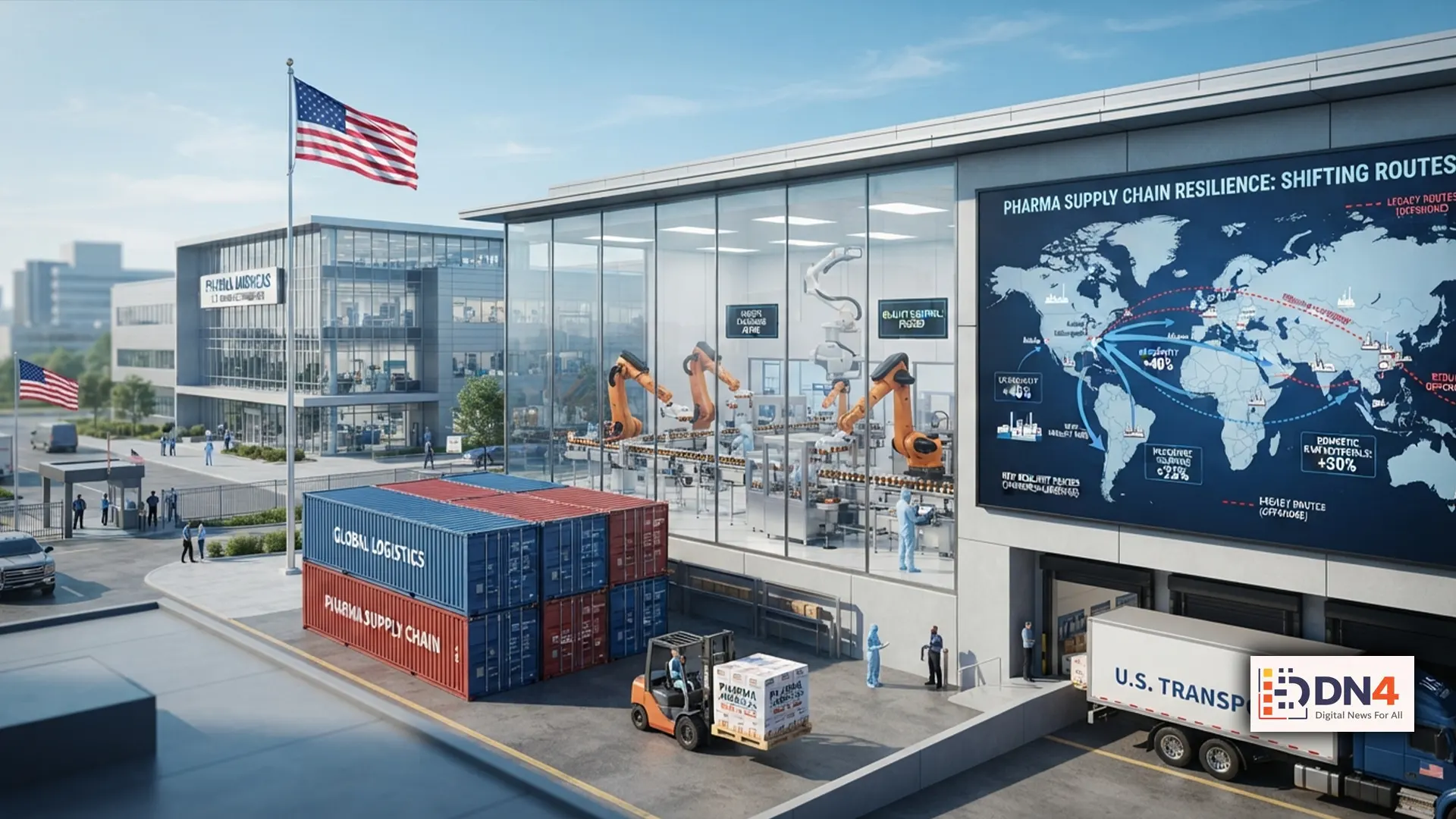
The White House has proposed significant tariffs on imported generic pharmaceuticals as part of a broader effort to strengthen domestic manufacturing and reduce reliance on overseas supply chains. If implemented, the proposed 100% tariff could have far-reaching implications for pharmaceutical companies, healthcare providers, and consumers across the United States.
Officials argue that increasing domestic production would improve supply chain resilience and reduce dependence on foreign manufacturing during future public health emergencies. The proposal reflects broader efforts to expand critical manufacturing within the United States while addressing national security concerns linked to essential medicines.
Why Onshoring Matters
Many generic medicines sold in the U.S. rely on ingredients or manufacturing processes located overseas. According to the U.S. Food and Drug Administration (FDA), pharmaceutical supply chains often involve multiple countries before finished products reach American pharmacies.
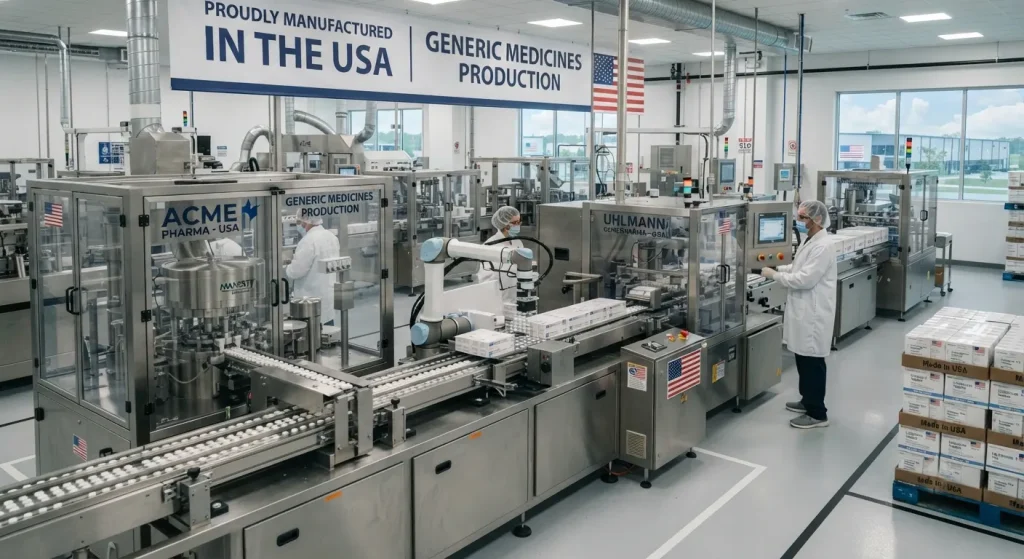
Supporters believe expanding domestic pharmaceutical manufacturing could reduce vulnerabilities caused by geopolitical tensions, transportation disruptions, and shortages of critical medications.
Potential Impact on Drug Prices
While increased domestic production may strengthen long-term supply security, economists note that tariffs could initially raise manufacturing and import costs. Whether those costs are absorbed by manufacturers or passed on to healthcare providers and consumers remains uncertain.
The Congressional Budget Office (CBO) and healthcare policy analysts have previously noted that changes affecting pharmaceutical supply chains can influence pricing, availability, and market competition.
What Manufacturers Are Watching
Pharmaceutical companies are evaluating how new trade policies could affect production strategies, investment decisions, and future manufacturing locations. Expanding U.S.-based facilities requires substantial capital investment, workforce development, regulatory approvals, and long-term planning.

Industry developments are also monitored by organizations such as PhRMA, which represents research-based pharmaceutical companies, and the U.S. International Trade Administration, which tracks international trade policy.
Whether the proposed tariff ultimately takes effect or undergoes revisions, it highlights the growing emphasis on securing critical supply chains for essential products. Policymakers must balance manufacturing resilience, affordable healthcare, and economic competitiveness as the proposal moves through the policy process.
#GenericDrugs #Pharmaceuticals #Healthcare #DrugPrices #SupplyChain #Manufacturing #HealthcarePolicy #USEconomy #Medicine