


Thousands of eligible claimants are still asking the same question: “Where is my Capital One settlement payment?” Although the $425 million Capital One class action settlement was expected to compensate eligible customers affected by savings account practices, many recipients continue waiting for their payouts. The delay has sparked frustration across social media and consumer forums as people look for updates on when payments will finally arrive.
While settlement approvals often generate excitement, distributing millions of dollars to hundreds of thousands of claimants is a lengthy legal and administrative process. Several factors—including claim verification, appeals, and payment processing—can significantly delay distributions.
What Is the $425 Million Capital One Settlement?
The settlement resolves allegations related to Capital One’s handling of certain high-interest savings accounts. Although Capital One denied wrongdoing, the company agreed to a $425 million settlement to resolve the litigation. Official case information is available through the Capital One Settlement Administrator and related court filings.
Consumers seeking additional legal information can also review public records through the Public Access to Court Electronic Records (PACER) system.

Why Are Settlement Payments Taking So Long?
Settlement payments rarely begin immediately after court approval. Before money can be distributed, administrators must verify claims, resolve duplicate submissions, confirm payment methods, and complete fraud prevention reviews. In some cases, appeals or procedural issues can also delay final authorization.
Financial institutions handling electronic transfers and mailed checks must also comply with banking regulations. Guidance from the Consumer Financial Protection Bureau (CFPB) highlights the importance of secure payment processing and consumer protections.
How to Check Your Claim Status
If you submitted a valid claim before the deadline, the best source for updates is the official settlement website. Many administrators provide claim lookup tools, FAQs, and email updates regarding payment timelines.
Claimants should also monitor their email—including spam folders—for communications from the settlement administrator. If you selected direct deposit, verify that your banking information remains accurate. Additional consumer guidance is available from the Federal Trade Commission (FTC).
When Could Payments Be Issued?
Although many class action settlements distribute payments within several months of final approval, larger settlements involving hundreds of thousands of claimants often require additional time. Payment schedules depend on court approval, completion of administrative reviews, and banking verification.
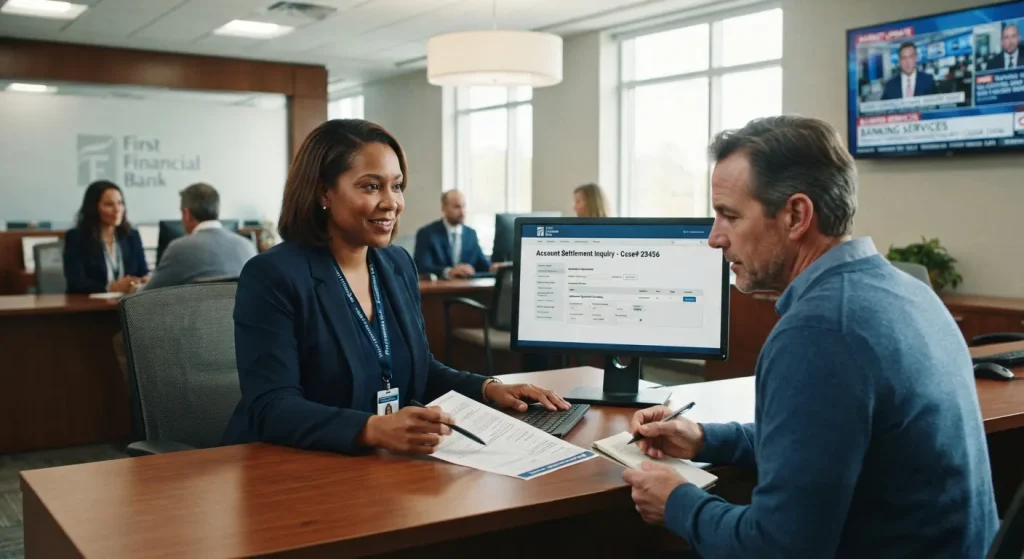
Consumers should avoid relying on unofficial rumors circulating on social media. Instead, follow updates from the official settlement website, announcements from Capital One, and trusted legal resources.
What Should Claimants Do Now?
If your payment has not yet arrived, there is usually no need to file another claim. Instead:
- Check your claim confirmation email.
- Verify your payment method.
- Watch for official settlement updates.
- Contact the settlement administrator if your contact information has changed.
- Ignore unofficial websites requesting payment or personal information.
While delays can be frustrating, they are not uncommon in large nationwide class action settlements. Most eligible claimants will receive payments once all legal and administrative requirements have been completed.
#CapitalOne #Settlement #ClassAction #ConsumerRights #Banking #Finance #LegalNews #Money #SettlementUpdate