

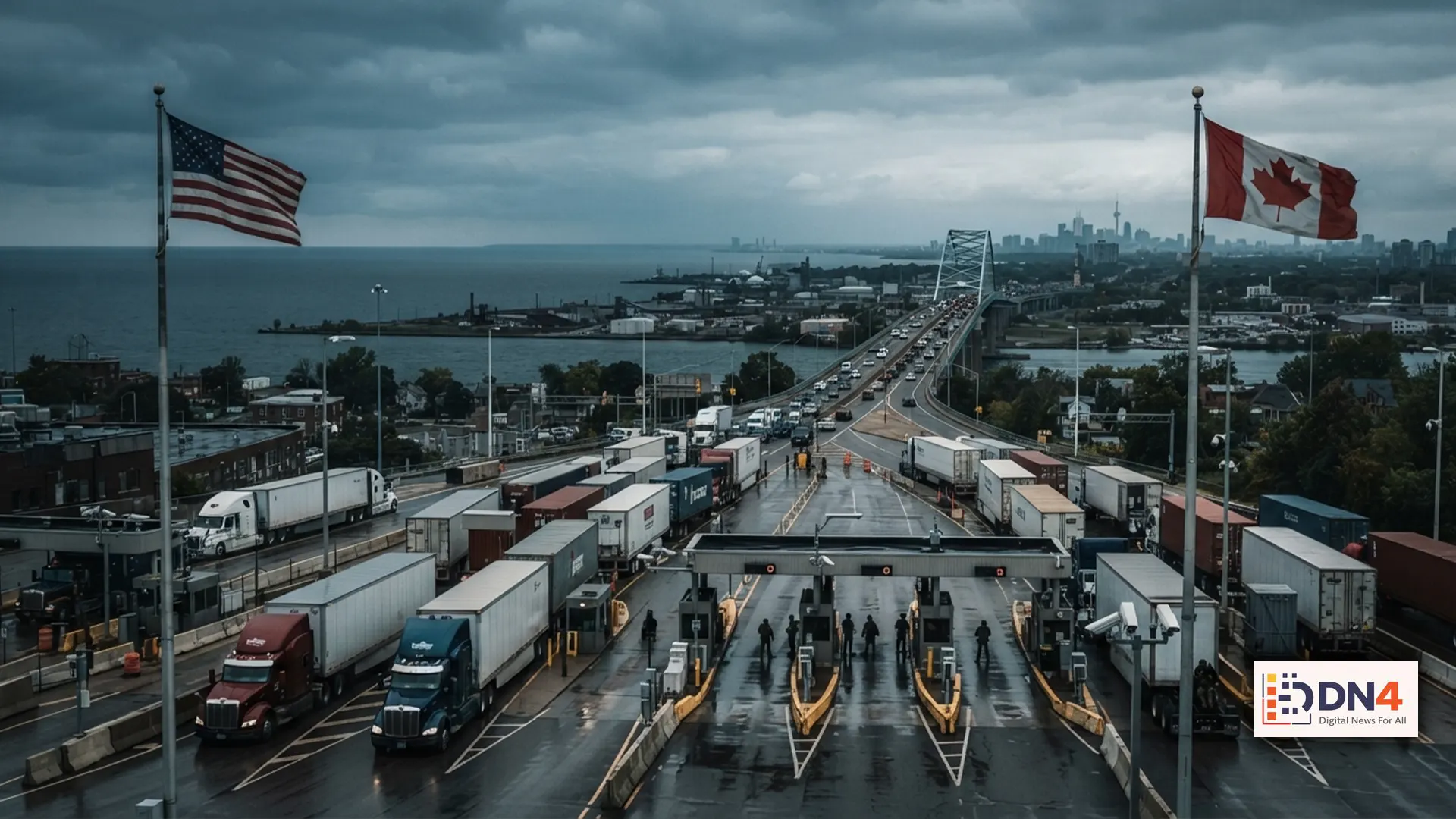
The relationship between the United States and Canada has entered a particularly tense period, with trade negotiations breaking down just as tariff disputes and political rhetoric intensify. The latest symbolic flashpoint came on August 27, 2026, when President Donald Trump ordered Lake Ontario to be referred to as “Lake America” for U.S. federal purposes. Canada has rejected the change, adding another layer of friction between the two longtime allies.
Trade Talks Hit a Wall
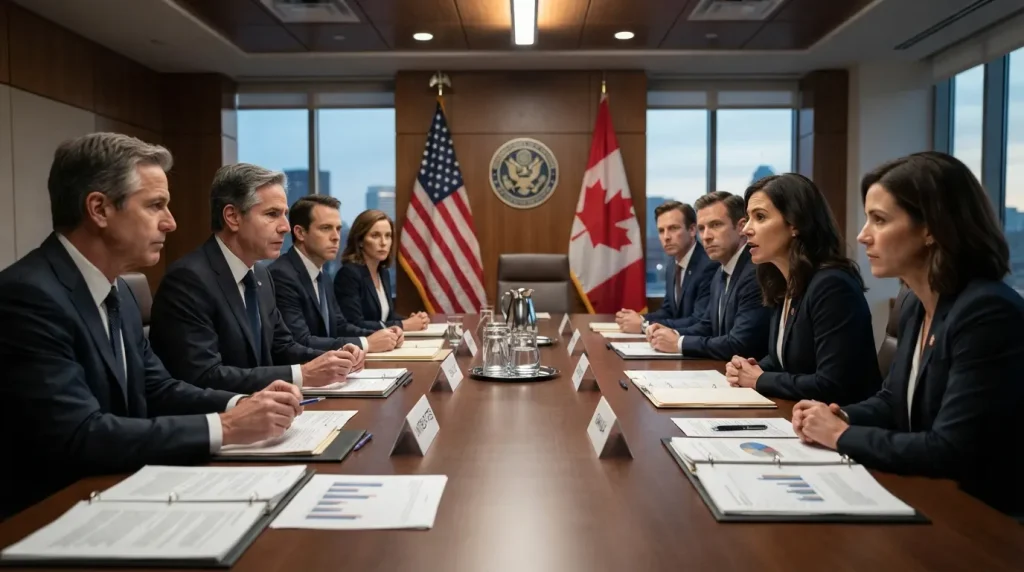
At the center of the dispute is trade. The two countries have imposed or threatened significant tariffs while attempting to renegotiate their economic relationship. The U.S. administration has argued that Canadian policies disadvantage American businesses, while Canadian officials have emphasized the need to protect Canadian workers, industries and economic sovereignty.
The White House has imposed additional 50% tariffs on certain Canadian goods, including measures targeting specific products and sectors. Official U.S. proclamations cite alleged discriminatory treatment of American commerce as the justification.
Canada, meanwhile, has responded with targeted countermeasures. Canadian officials have framed the retaliation as an effort to defend domestic industries while maintaining pressure for a negotiated solution.
Why the Dispute Matters
The stakes are unusually high because the American and Canadian economies are deeply interconnected. Automobiles, energy, agriculture, manufacturing and raw materials cross the border through highly integrated supply chains.
The Associated Press reported that nearly $880 billion in bilateral trade is at stake, meaning a prolonged confrontation could affect businesses and consumers on both sides of the border.
Enter “Lake America”
The Lake Ontario name change has become a powerful symbol of the broader diplomatic dispute. Trump’s executive order applies to U.S. federal usage, but it does not control Canada’s terminology or international usage. Canadian Prime Minister Mark Carney has rejected the change, noting that the lake’s historic name predates both modern nations.
The symbolism matters because the lake is shared by the United States and Canada. New York Governor Kathy Hochul has also said New York will continue using the name Lake Ontario, highlighting the limits of a unilateral U.S. naming decision.

More Than a Naming Dispute
While “Lake America” may sound like a symbolic controversy, it reflects a much broader deterioration in the tone of US-Canada relations. Trade negotiations now involve questions of tariffs, market access, national sovereignty and the future rules governing one of the world’s most important bilateral economic relationships.
The challenge for both governments is finding a path back toward practical cooperation. Businesses depend on predictable rules, consumers depend on affordable cross-border goods, and communities along the border rely on economic ties that have developed over generations.
What Comes Next?
The current confrontation does not necessarily mean the partnership is permanently damaged. Economic interdependence creates strong incentives for Washington and Ottawa to return to negotiations. Analysts cited by the Associated Press believe the economic costs could eventually encourage both sides to reach a compromise.
For now, however, the combination of tariffs, stalled negotiations and symbolic disputes has made one thing clear: the traditionally close U.S.-Canada relationship is facing one of its most consequential tests in years.
#USCanadaRelations #Canada #UnitedStates #TradeWar #Tariffs #LakeAmerica #DonaldTrump #MarkCarney #USMCA #GlobalTrade #Politics