

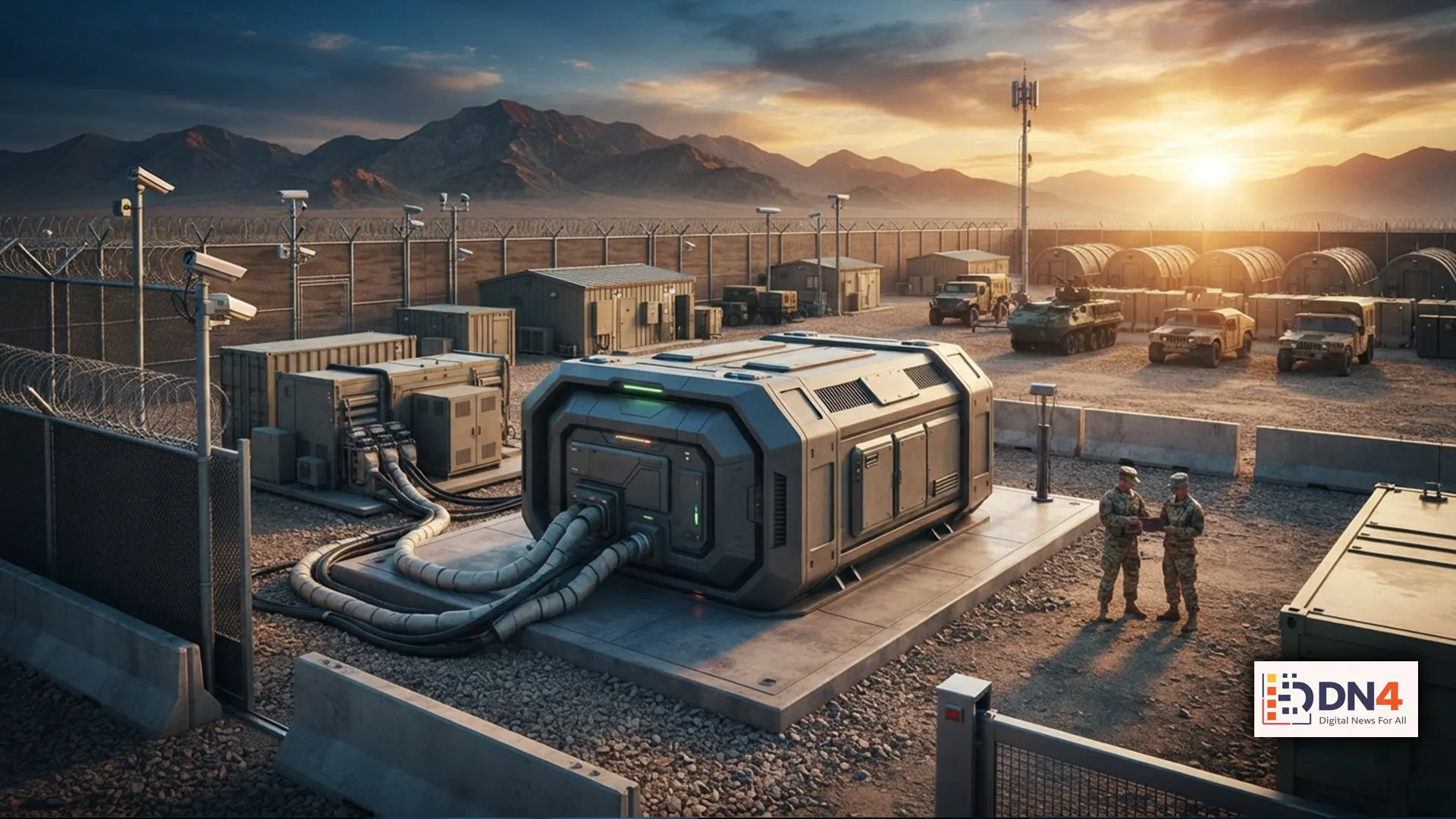
The U.S. Army is taking a major step toward nuclear-powered military infrastructure. Under its Janus Program, the service announced up to $2.2 billion in funding for five companies to own, construct and operate nuclear microreactors at five military installations. The initiative is designed to provide reliable power when conventional electricity supplies are disrupted.
Five Bases, Five Nuclear Developers
The initial locations stretch from New York to Texas. The selected companies are Antares Nuclear at Fort Bragg, North Carolina; BWXT Advanced Technologies at Fort Campbell, Kentucky; General Atomics Electromagnetic Systems at Fort Hood, Texas; Radiant Industries at Fort Benning, Georgia; and Westinghouse Government Services at Fort Drum, New York.
According to the U.S. Army, payments will be tied to technical milestones rather than simply distributed upfront. The program is expected to combine government funding with substantial private-sector investment.
Why Does the Military Want Microreactors?
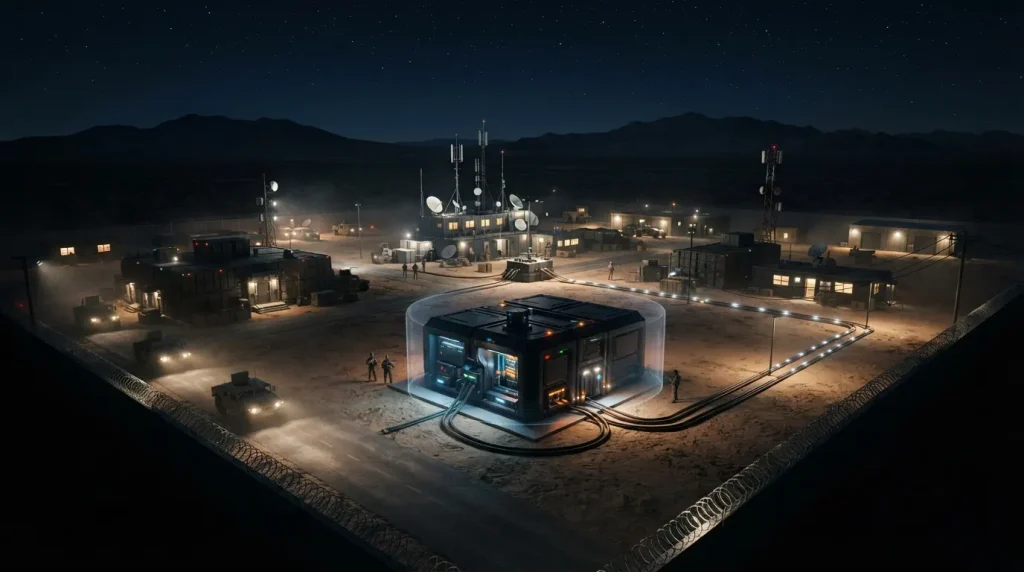
The central issue is energy resilience. Military bases rely on electricity for communications, command systems, computing, housing and other critical infrastructure. A disruption to the civilian grid could therefore create operational problems.
Microreactors are designed to provide a compact, reliable source of electricity that can operate for extended periods without frequent refueling. The Army says the broader program could eventually result in more than 20 reactors across Department of War installations.
How Much Power Can They Produce?
The reactors being considered vary considerably in size, with some designs producing only a few megawatts and others targeting capacities of up to approximately 20 megawatts. That is substantially smaller than conventional commercial nuclear power plants, allowing developers to pursue more compact systems for specialized locations.
The Army’s goal is to have the first Janus microreactor operational by September 2028.
Safety, Waste and Regulation Remain Key Questions
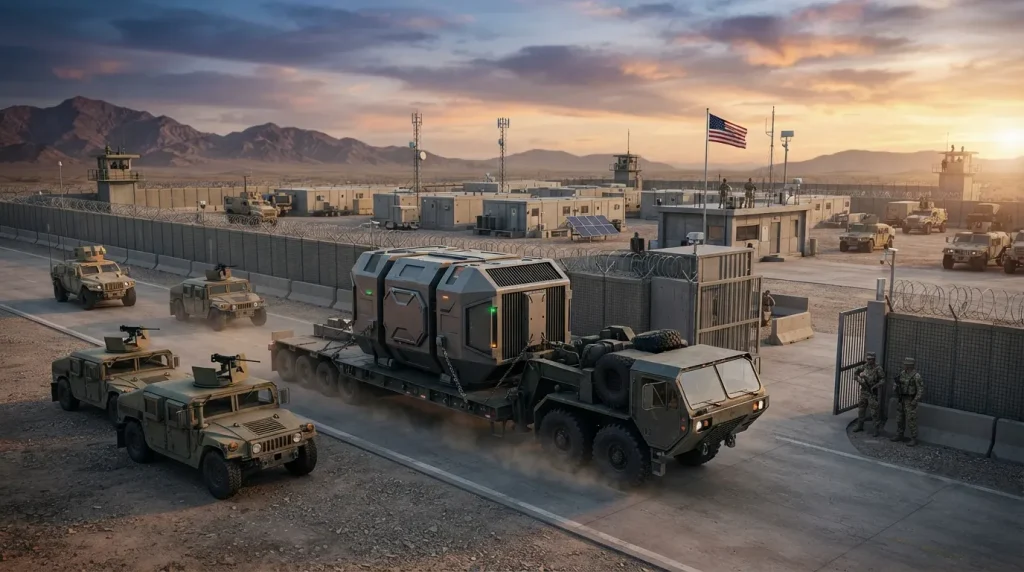
The project also raises significant questions about nuclear safety, costs, fuel availability and radioactive-waste management. Unlike commercial reactors regulated by the Nuclear Regulatory Commission, the military installations will operate under Army oversight, while officials say the systems will be designed to meet comparable safety standards.
The Army has also said that long-term nuclear-waste storage will not occur at the bases, although arrangements for handling spent fuel and other waste are still being finalized.
A Test for America’s Nuclear Future
The Janus Program is about more than powering military bases. If the prototypes demonstrate that microreactors can be deployed safely, reliably and economically, the technology could influence future military and potentially civilian energy projects.
For now, the Army’s $2.2 billion commitment represents a significant bet on compact nuclear technology—and a test of whether advanced reactors can deliver the dependable power required by an increasingly energy-intensive defense infrastructure.