


The latest US-Canada trade war is moving from diplomatic negotiations into consumers’ shopping carts. After trade talks collapsed, the United States imposed 50% tariffs on roughly $20 billion of Canadian imports, while Canada announced retaliatory tariffs of approximately the same value beginning September 8. The new U.S. measures cover a relatively small portion of Canada’s exports, but the political and economic consequences could be much larger.
What Could Become More Expensive?
American consumers could see higher prices for a range of Canadian-made products, including certain dairy products, alcohol, paper and wood goods, clothing, hockey equipment and other consumer merchandise. The tariff rate is high, but economists note that the relatively narrow scope means the immediate effect on overall U.S. inflation may remain limited.
Paper products are an especially visible concern. Canada is an important supplier of lumber and other inputs used by American manufacturers, meaning tariff costs can travel through supply chains even when a finished product is made domestically.

Cars Could Become the Bigger Problem
The automotive industry may represent a much more consequential escalation. The Trump administration has threatened 50% tariffs on Canadian vehicles and parts beginning in January 2027. North American automakers operate deeply integrated supply chains, so higher duties could increase production costs and ultimately affect vehicle prices.
That interconnectedness makes a prolonged dispute particularly difficult. Components can cross the border multiple times before a finished vehicle reaches a customer, creating opportunities for tariffs to compound through the supply chain.
Canada Faces Its Own Consumer Shock
Canadian shoppers are not insulated from the conflict. Ottawa’s retaliatory measures target more than 700 U.S. products, including categories such as steel, electronics and agricultural equipment. Higher import costs can eventually translate into higher retail prices or reduced product availability.
Canada’s previous tariff experience provides an important clue. A Bank of Canada analysis found that products subject to 2025 counter-tariffs became about 6% more expensive relative to unaffected products, although those price differences later reversed after most counter-tariffs were removed.
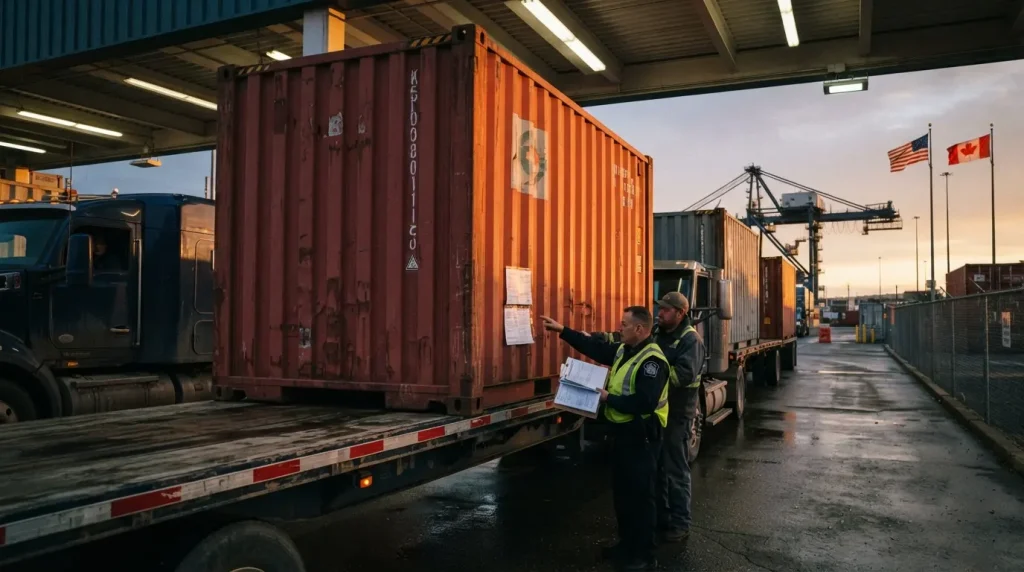
Could This Become a Full-Scale Trade War?
That depends heavily on whether both governments continue expanding the list of targeted products. For now, the latest U.S. tariffs affect only about 5% of Canada’s exports to the United States, suggesting the immediate economic damage is narrower than the headline 50% rate might imply.
However, the situation becomes considerably more serious if tariffs spread to automobiles, energy or other major supply chains. Canada supplies the United States with enormous quantities of crude oil, aluminum, potash and other critical resources, making the two economies unusually interconnected.
What Consumers Should Watch
The biggest near-term risk is not necessarily a sudden economy-wide price explosion. Instead, consumers are likely to experience selective price increases in products and industries directly exposed to tariffs, while businesses decide how much of the additional cost to absorb.
The longer the dispute lasts, however, the greater the possibility of broader supply-chain disruption, weaker business investment and additional inflation pressure. For shoppers on both sides of the border, the final cost of the trade war could therefore depend less on today’s tariff headlines and more on how long Washington and Ottawa remain unwilling to compromise.
#USCanadaTradeWar #TradeWar #CanadaTariffs #USTariffs #ConsumerPrices #Inflation #USCanadaTrade #Economy #Tariffs #TradePolicy #SupplyChain #ConsumerImpact #EconomicNews #BusinessNews