

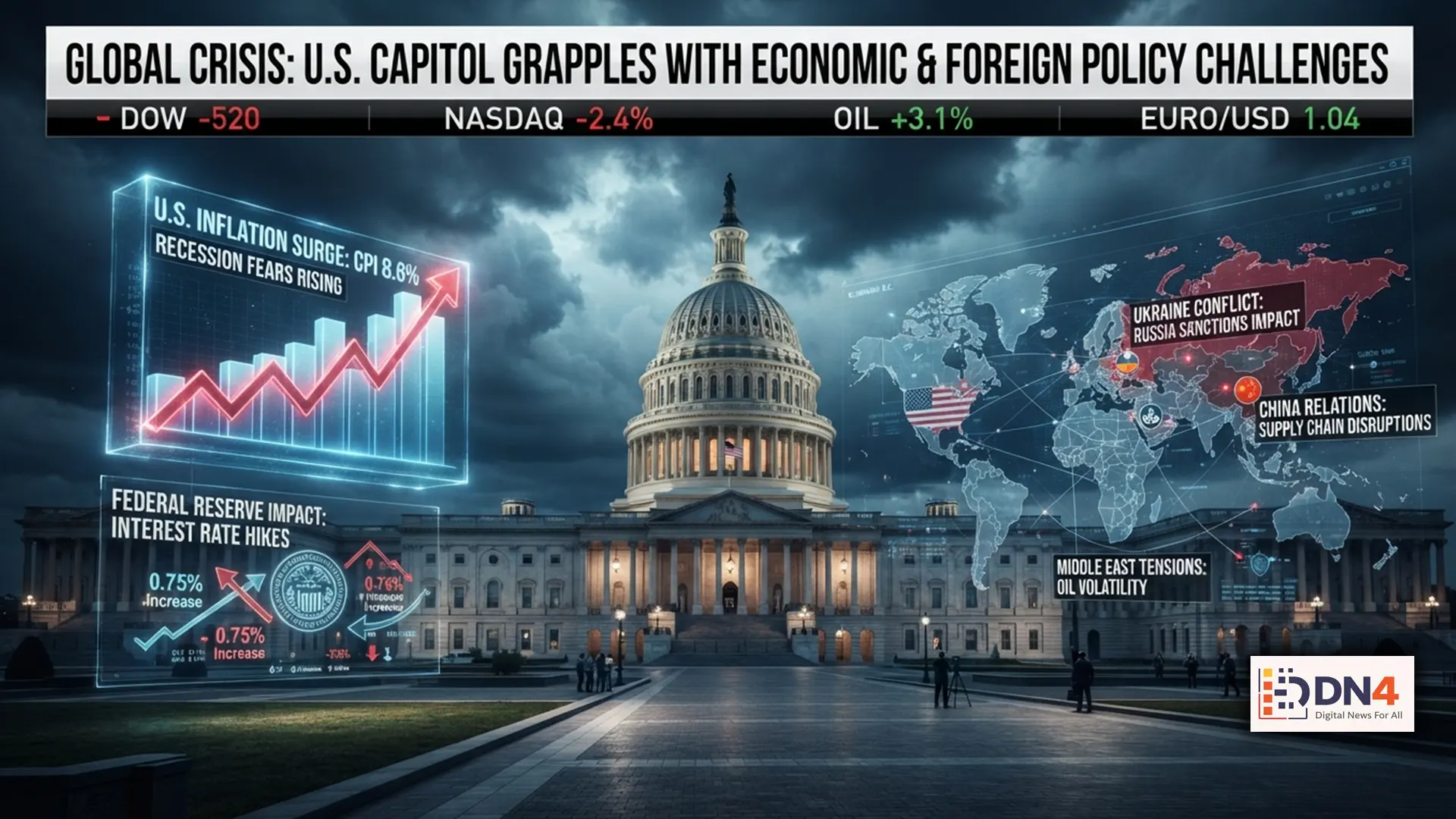
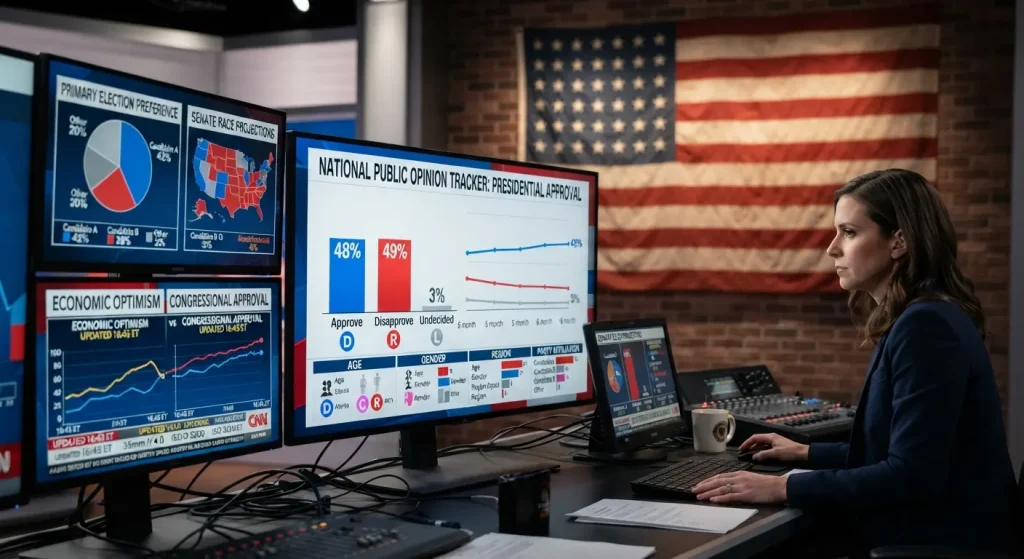
Economic uncertainty and foreign policy challenges continue to shape public opinion across the United States. Recent polling suggests that approval ratings for national leadership remain in the 30% range as many Americans express concerns about inflation, the cost of living, international conflicts, and overall economic stability. Political analysts say these issues remain among the strongest influences on voter sentiment heading into future elections.
Although employment has remained relatively stable in many sectors, households continue to face pressure from higher prices for housing, groceries, insurance, and other everyday expenses. These financial concerns often have a greater impact on public opinion than broader economic indicators.
The Economy Remains the Top Concern
For many voters, the economy remains the single most important issue. Inflation has eased from previous highs, but many consumers still feel the effects of elevated prices. According to the U.S. Bureau of Labor Statistics, consumer prices remain above pre-pandemic levels, while housing and service costs continue to affect household budgets.
The Federal Reserve continues to balance inflation control with economic growth through interest rate policy. Higher borrowing costs can slow inflation, but they may also affect mortgages, business investment, and consumer spending.

Foreign Policy Adds Political Pressure
International conflicts have also influenced public opinion. Ongoing tensions in regions such as Eastern Europe and the Middle East continue to dominate global headlines. Military assistance, diplomatic negotiations, and national security concerns remain closely watched by voters who worry about both international stability and government spending.
Official updates from the U.S. Department of State and reporting by Reuters show that foreign policy decisions often become major political issues during periods of global instability.
Public Opinion Reflects Everyday Concerns
Approval ratings often reflect how people feel about their daily lives rather than a single policy decision. Rising household expenses, concerns about future economic growth, and uncertainty surrounding international events all contribute to broader public dissatisfaction. Polling organizations regularly find that economic confidence and presidential approval tend to move together over time.
Survey data published by the Gallup Organization and the Pew Research Center frequently identifies inflation, healthcare costs, immigration, and foreign affairs as leading voter concerns.
What Could Change the Numbers?
Approval ratings can improve if economic conditions strengthen, inflation continues to decline, or major diplomatic achievements reduce international tensions. Strong employment growth, lower borrowing costs, and improved consumer confidence often influence public perception positively.
However, unexpected geopolitical events or renewed economic uncertainty could keep approval ratings under pressure. Political experts note that voter opinions often shift gradually as economic conditions and international developments evolve.
Reliable reporting from The Associated Press, Reuters, and official government economic data will continue to provide important context as public opinion changes in the months ahead.
#ApprovalRatings #USEconomy #ForeignPolicy #Politics #Inflation #PublicOpinion #USNews #PoliticalAnalysis