

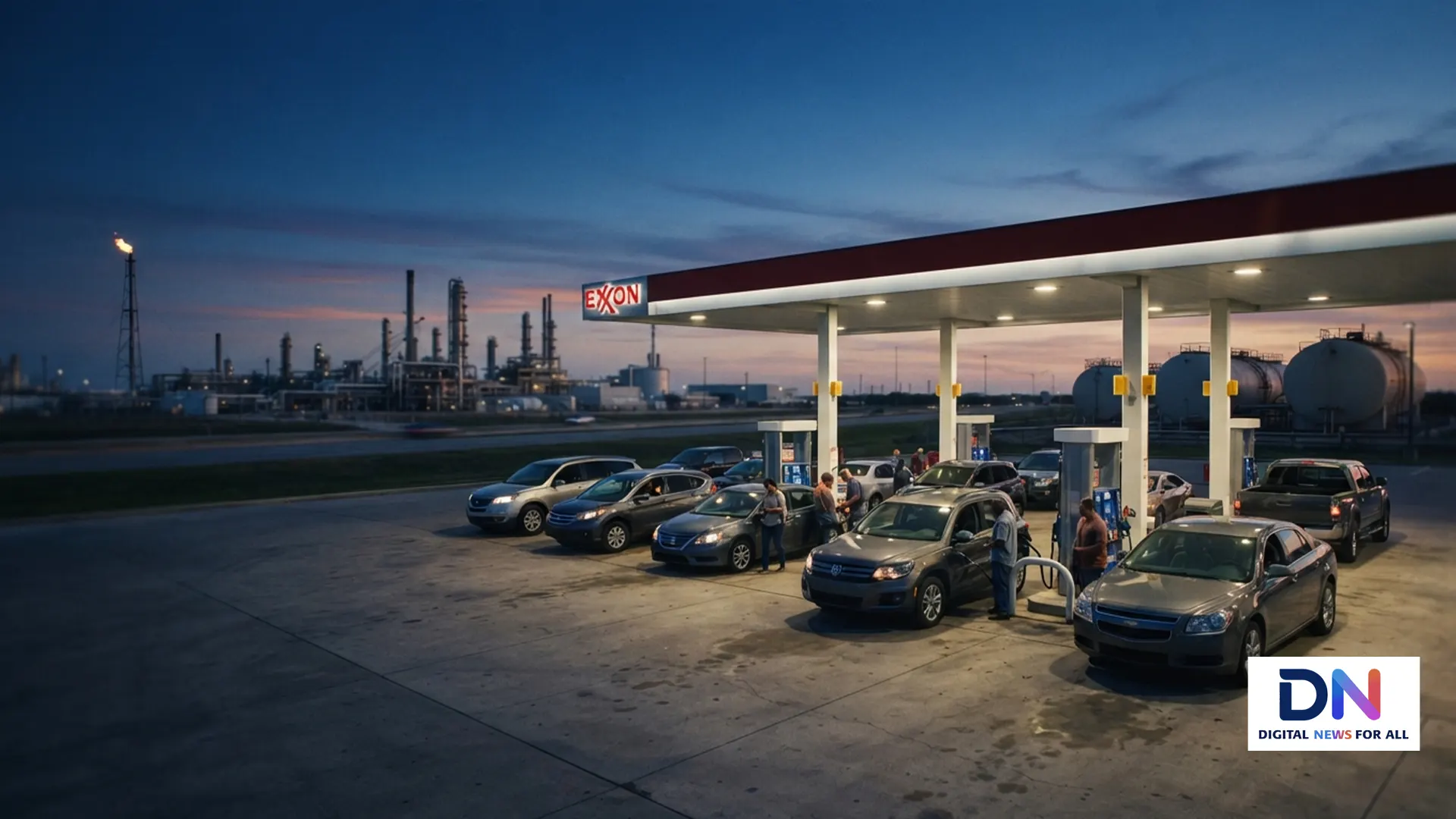
The G7 oil release is putting a major new supply of petroleum into a nervous global energy market. The Group of Seven has agreed to coordinate the release of 100 million barrels of crude oil and fuel products through the International Energy Agency, with a substantial diesel release planned early in the process. The goal is to ease supply pressure and stabilize energy markets. The G7’s official statement says the release will begin immediately and continue over four months.
Why Is the G7 Releasing Oil?
The move comes after major disruptions to global energy supplies. Oil markets have faced continuing geopolitical risks, while diesel supplies have become particularly tight. Reuters reports that the G7 agreement follows pressure from the United States to increase emergency fuel availability and avoid additional restrictions on energy exports. The International Energy Agency will coordinate implementation.
The scale sounds enormous. However, 100 million barrels must be viewed against global consumption. The release is spread across several months rather than arriving at the world’s markets in a single day. That limits how dramatically it can change the supply-demand balance.
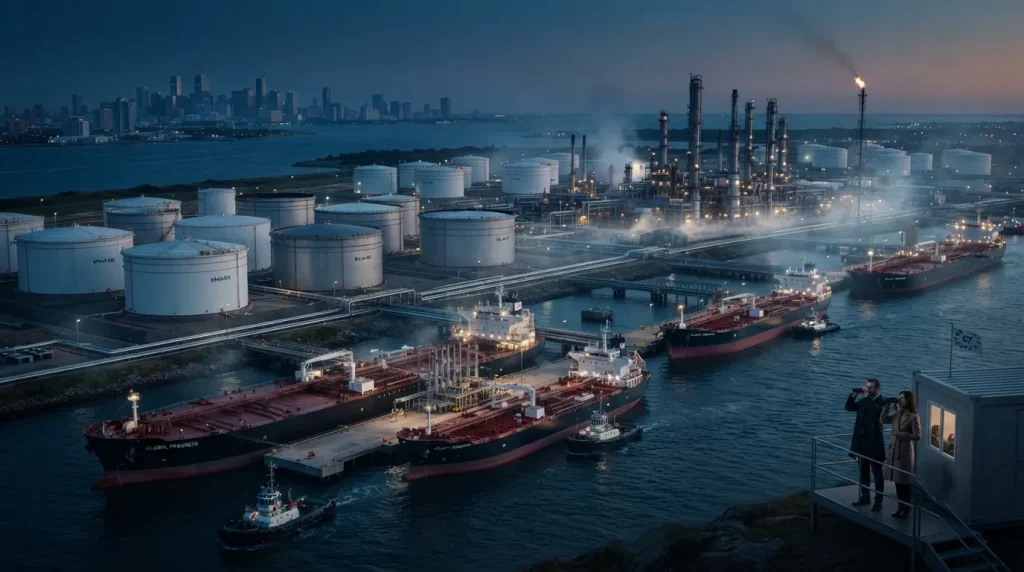
Could Gasoline Prices Actually Fall?
There is already evidence that markets reacted to the announcement. Oil and refined-fuel prices declined after the G7 decision, although other factors also influenced trading. U.S. Energy Information Administration data showed U.S. regular gasoline averaging about $4.37 per gallon on October 5.
AAA reported that the national average had already fallen from September’s record-setting levels. AAA’s October fuel report said the September monthly average reached $4.33 per gallon, while the national average subsequently moved lower.
Why Your Local Pump May Not Move Immediately
Crude oil is only one part of the gasoline price. Refining costs, transportation, distribution, taxes and local market conditions also matter. The EIA’s gasoline-price methodology shows how several components combine to determine what motorists ultimately pay.
That means a lower oil price does not automatically produce an equally large decline at every gas station. Regional refinery capacity and fuel inventories can create significant differences between states and cities.

The Biggest Variable: Global Supply
The release could have a larger effect if it arrives while global supplies remain constrained. Conversely, improved oil flows could reduce the need for emergency reserves. EIA analysis has previously linked increasing global production with downward pressure on crude and gasoline prices.
There is also a timing issue. Reuters reported on October 6 that the IEA was still working through the details of the release, including how much crude and diesel individual countries will provide. The planned IEA discussions are expected to clarify the distribution.
What Drivers Should Expect
The most realistic expectation is not an overnight collapse in gasoline prices. The G7 oil release can add supply, calm traders and reduce some of the market’s risk premium. But geopolitical disruptions, refinery problems and transportation costs can offset part of that benefit.
For drivers, the key question is therefore not whether 100 million barrels sounds large. It is whether the additional supply reaches the right markets quickly enough to overcome the forces keeping fuel prices elevated.
#G7 #OilPrices #GasPrices #CrudeOil #EnergyCrisis #FuelPrices #GasStation #Economy #USNews #EnergyMarket