


The diesel supply crunch has become a growing concern for the U.S. economy. Prices remain near record levels, inventories are tight, and the White House is considering measures to increase domestic availability.
Diesel Prices Have Surged
According to the U.S. Energy Information Administration, nationwide on-highway diesel averaged $6.382 per gallon for the week ending September 28. That followed a record $6.529 average one week earlier.
The increase matters far beyond drivers. Diesel powers trucks, farm machinery, construction equipment, ships and industrial operations. Higher fuel costs can therefore move through supply chains and eventually reach consumers.
Why Is Supply So Tight?
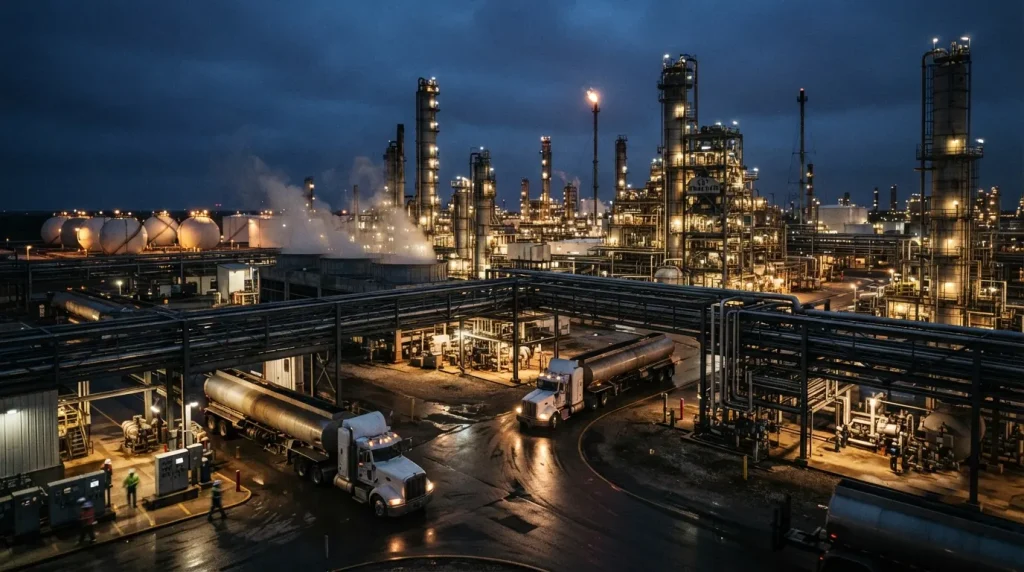
The current diesel supply crunch is partly a refining problem rather than simply a shortage of crude oil.
The EIA’s Short-Term Energy Outlook says U.S. distillate inventories fell below their five-year range in April. The agency expects inventories to remain below the five-year low through the end of 2026 and much of 2027.
Global disruptions have added pressure. Reduced refined-product exports from the Middle East, Russia and China have tightened international diesel markets.

What Is the White House Considering?
According to Reuters reporting, President Donald Trump and administration officials have discussed restricting U.S. diesel exports as one possible way to increase domestic supply.
Officials have also sought cooperation from major refiners. Another proposal involves expanding access to tax-advantaged dyed diesel for certain off-road uses.
However, an export restriction carries risks. Refiners operate in an integrated global market. Disrupting exports could affect refinery economics and potentially create shortages or higher prices for other petroleum products.
Why Europe Matters to American Drivers
The International Energy Agency tracks the global oil market and strategic petroleum stocks. European countries are now discussing whether to release emergency diesel reserves.
Reuters reported that Washington has urged European governments to release additional stocks. At the same time, European officials must balance short-term price relief against the need to preserve emergency reserves.
Could Your Next Fill-Up Get More Expensive?
The answer depends on several moving parts. Crude prices, refinery output, exports, inventories and geopolitical developments can all influence diesel prices.
The EIA’s weekly fuel data show that prices eased slightly in the latest week. Yet they remain dramatically above year-ago levels.
For now, the diesel supply crunch is a reminder that producing plenty of crude does not guarantee cheap fuel. Refining capacity, global trade and emergency inventories can be just as important. The White House debate may therefore affect more than the price on a diesel pump. It could influence freight costs, food prices and the broader U.S. economy.
#DieselPrices #DieselSupply #FuelPrices #USEnergy #OilMarkets #EnergyCrisis #Truckers #Inflation #Economy