

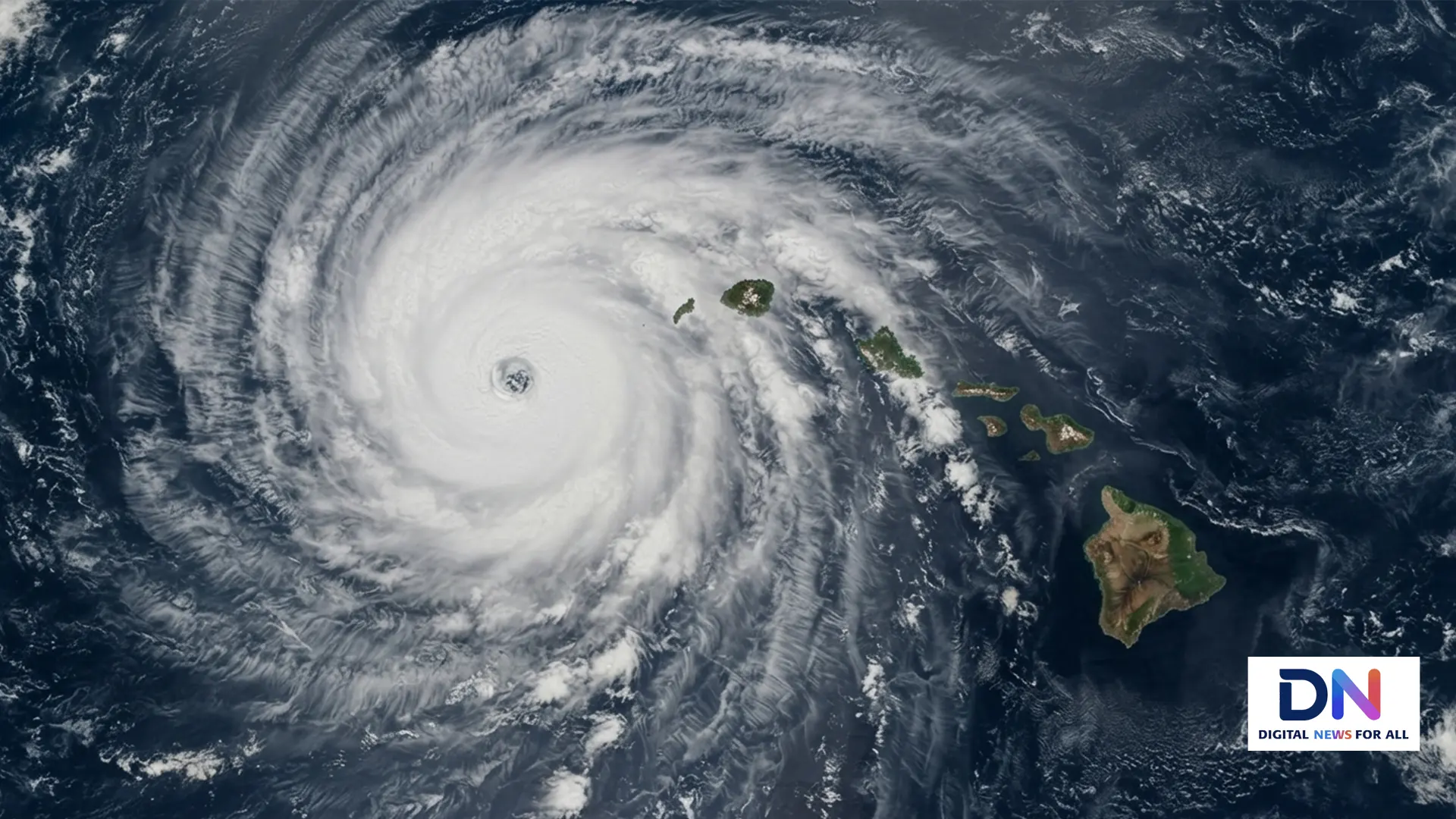
Hurricane Lowell Hawaii impacts have highlighted a difficult reality for the islands: powerful Pacific storms can create major disruption even without a direct landfall. Lowell approached Hawaii as a Category 3 hurricane before weakening and passing west of the islands as a Category 2 on September 8, 2026. NOAA reported damaging winds, heavy rain, hazardous surf and flash flooding.
The storm also exposed how several risks can combine. Strong winds can damage infrastructure, while intense rainfall can trigger flooding and landslides. Meanwhile, rising sea levels can make coastal flooding more severe.
Lowell Showed How Quickly Conditions Can Change
According to the National Hurricane Center, Lowell reached major-hurricane strength during its approach to Hawaii. On September 6, the storm remained a Category 3 system with maximum sustained winds near 120 mph.
By September 7, hurricane and tropical-storm warnings covered parts of the Hawaiian Islands. The storm then moved north-northeastward near Kauai and Niihau.
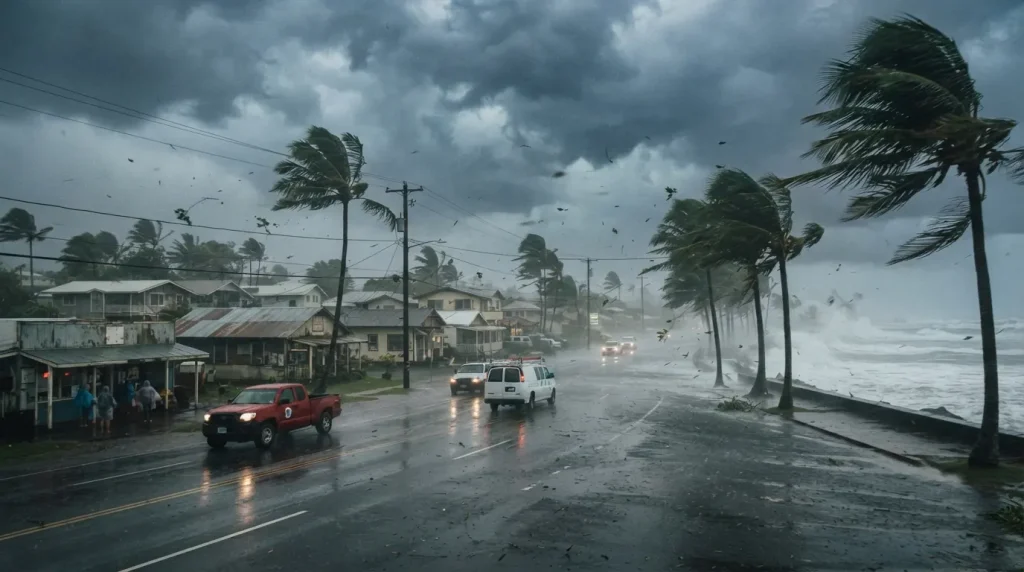
The National Weather Service Honolulu recorded wind gusts reaching 92 mph at Puu Lua on Kauai. Lihue Airport also recorded an 84 mph gust.
Flooding Became a Major Concern
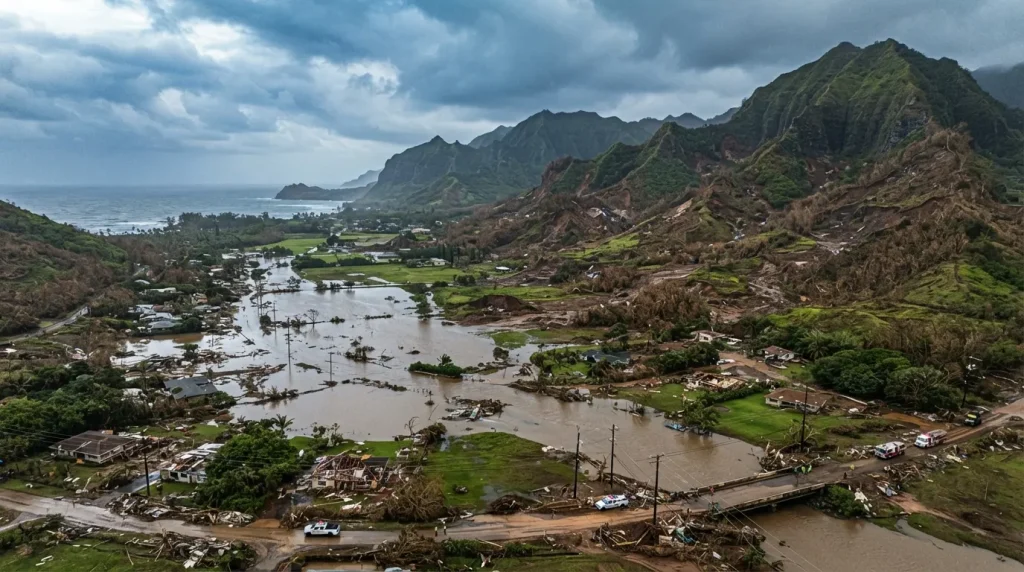
Wind was only one part of the danger. NOAA reported that Lowell produced heavy rain and flash flooding across Hawaii. Nearly 90% of Kauai lost power during the storm.
Hawaii’s steep terrain can amplify rainfall risks. Water can move rapidly through valleys and streams, while saturated slopes can become vulnerable to landslides.
That combination makes hurricane preparedness especially important for island communities.
Climate Change Adds Another Layer of Risk
One storm cannot prove that climate change caused Hurricane Lowell. Natural climate patterns, including El Niño, also influence Pacific hurricane behavior.
However, climate science points to important changes in the background environment. The IPCC reports that tropical cyclone rainfall rates increase in a warming climate. Scientists also expect the proportion of the strongest tropical cyclones to rise as global temperatures increase.
At the same time, rising seas can worsen coastal impacts when major storms approach.
Hawaii Is Already Dealing With Rising Seas
The Hawaii Climate Change Portal says sea level around Hawaii has risen about five inches since 1970. It also reports a significant increase in high-tide flooding.
Higher baseline ocean levels mean storm-driven waves and coastal flooding can reach farther inland. Roads, homes, beaches and critical infrastructure therefore face greater exposure.
NOAA’s high-tide flooding data also show that Hawaii stations experienced substantial flooding during the 2025–2026 period.
What Lowell Means for Hawaii’s Future
Hurricane Lowell Hawaii impacts are a reminder that vulnerability depends on more than hurricane category. Storm track, rainfall, terrain, coastal exposure, infrastructure and sea level all shape the final damage.
For Hawaii, the challenge is becoming more complex. Strong preparedness systems must work alongside resilient power networks, better drainage, coastal planning and updated infrastructure standards.
Lowell did not need to make a direct landfall to demonstrate the stakes. Its approach showed how a powerful Pacific hurricane can affect an island chain from hundreds of miles away.
#HurricaneLowell #Hawaii #HawaiiWeather #ClimateChange #ExtremeWeather #Hurricanes #PacificHurricane #Flooding #SeaLevelRise #ClimateRisk #WeatherNews