

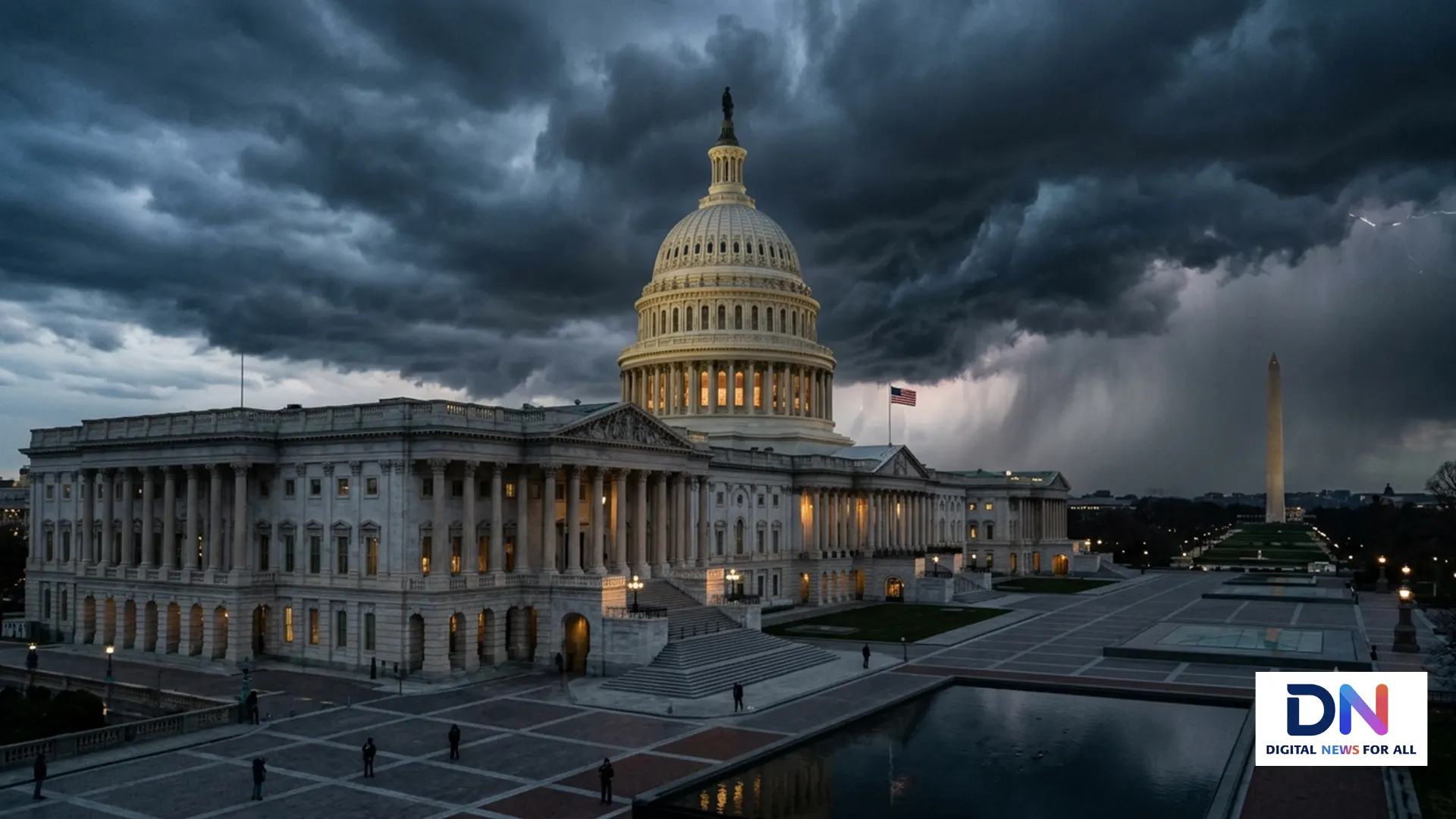
The post-election government shutdown debate is gaining urgency as Washington approaches a critical December funding deadline. After the November 3 midterm elections, Congress will face mounting pressure to resolve federal spending disputes, address fiscal concerns, and negotiate amid economic uncertainty.
Lawmakers must act before December 11, 2026, when the current continuing resolution expires. Without another funding agreement, federal agencies could face a funding lapse. Meanwhile, the national debt has exceeded $40 trillion, intensifying concerns about borrowing costs and long-term fiscal stability.
Why the December Funding Deadline Matters
Congress has temporarily kept federal agencies operating under existing funding levels. However, lawmakers have not completed the full fiscal year 2027 appropriations process.
The post-election period, commonly called the lame-duck session, offers a narrow window for negotiations. Lawmakers could approve full-year spending bills, pass another continuing resolution, or pursue a combination of temporary extensions and selected funding measures.
According to The Conference Board, the December deadline creates pressure to resolve spending disagreements before Congress adjourns. Yet disputes over defense spending, domestic programs, and policy provisions could complicate negotiations.

How Midterm Results Could Change Negotiations
The election outcome could significantly influence congressional bargaining power. A change in control of either chamber may reshape leadership priorities and the political balance surrounding federal spending.
However, a new majority would not automatically produce a budget agreement. Narrow margins, Senate procedural rules, and presidential veto powers could limit major legislative changes.
Reuters reported that investors expect fiscal concerns to remain significant regardless of which party gains control. Persistent deficits and rising interest expenses continue to influence expectations for government borrowing.
Tariff Uncertainty Adds Economic Pressure
Trade policy presents another challenge for businesses preparing for the post-election economic environment. Uncertainty surrounding tariffs can complicate supply-chain planning, investment decisions, and pricing strategies.
Import-dependent companies may face difficulties estimating future costs. Manufacturers, retailers, and smaller businesses could delay investments while waiting for greater policy clarity.
The U.S. Customs and Border Protection provides official information about trade procedures and tariff administration. Meanwhile, the U.S. International Trade Commission maintains resources on tariffs, trade data, and investigations.
Economic uncertainty could also affect consumer confidence. If businesses pass higher import costs to customers, household budgets may face additional pressure. The Federal Reserve continues to monitor economic conditions, inflation, and financial stability as policymakers assess broader risks.
Debt Ceiling Concerns Could Return in 2027
The debt ceiling is separate from government funding. It limits how much the Treasury can borrow to meet obligations already authorized by Congress.
Although the next debt-limit confrontation is not expected immediately, lawmakers are discussing whether to address it during the year-end session. The Government Accountability Office has warned that prolonged debt-limit negotiations can increase borrowing costs and disrupt financial markets.
The Congressional Budget Office also projects sustained federal deficits and significant interest expenses over the coming decade. These trends make fiscal negotiations increasingly consequential.
What Happens Next?
Congress faces a difficult balancing act after the elections. Lawmakers must negotiate spending priorities while responding to economic concerns, political pressure, and competing policy demands.
A bipartisan agreement could prevent another shutdown. However, failure to reach consensus by December 11 could trigger a partial or broader funding lapse.
For businesses, investors, and households, the coming weeks will be important. The outcome could influence government operations, financial markets, and confidence in America’s economic direction heading into 2027.
#USPolitics #GovernmentShutdown #DebtCeiling #TariffUncertainty #MidtermElections #FederalBudget #EconomicNews #Congress #FinancialMarkets