

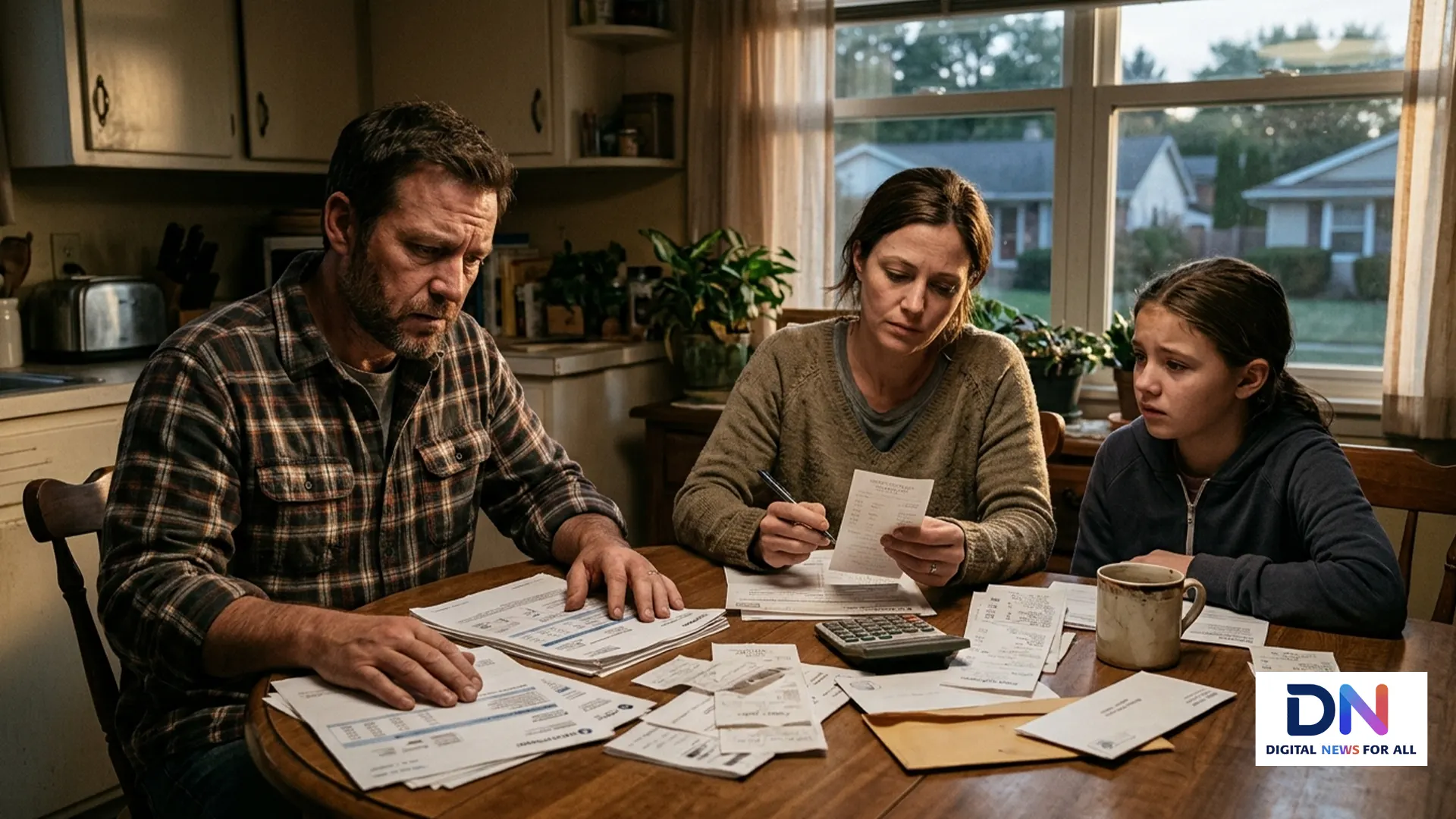
Paycheck to paycheck voters are facing mounting financial pressure as rising household expenses, uncertain employment and changing local economies reshape communities across the United States. In the 2026 midterm election cycle, affordability has emerged as a central concern, especially in competitive districts where working families are struggling to keep up with everyday costs.
Financial Pressure Is Reaching American Households
A July 2026 CNBC and SurveyMonkey survey found that 63% of Americans reported living paycheck to paycheck. Among this group, 90% said they had less than $500 remaining each month after expenses. Debt, medical bills, insurance premiums and limited savings were among the major sources of financial stress.
For many households, the problem is not simply inflation slowing down or accelerating. Prices for essential goods and services remain elevated compared with several years ago. Families may earn steady incomes yet still struggle to build savings, manage unexpected expenses or afford major purchases.
Border Town Economies Face a Different Challenge
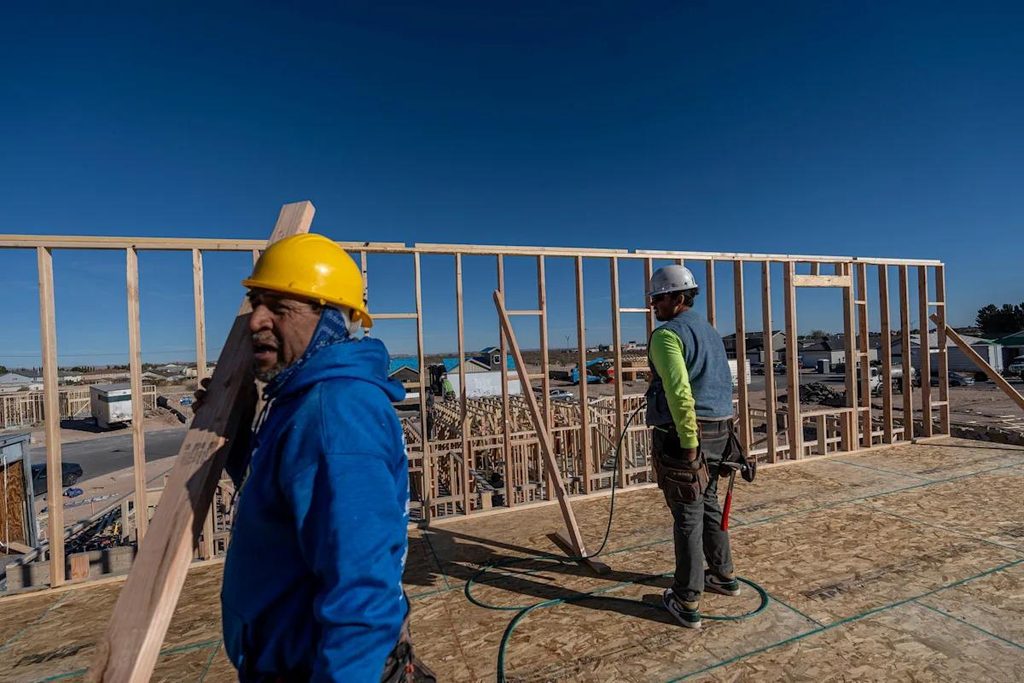
In South Texas, the economic pressure is closely connected to changes in immigration enforcement and labor availability. A Washington Post report published October 7 described businesses in the Rio Grande Valley facing fewer customers, stalled construction projects and labor shortages.
Construction, agriculture, trucking and other industries rely on complex labor networks. When workers leave jobs or become unavailable, businesses can face delays, higher operating costs and reduced output. These changes can affect customers, contractors, suppliers and entire local communities.
However, border towns are not economically identical. Trade, manufacturing, tourism, agriculture and cross-border commerce shape local conditions differently. Economic effects vary by industry and region.
Affordability Is Reshaping Voter Concerns
A Washington Post analysis published October 27 found that household costs had outpaced wages in 42 of the 46 most competitive House districts examined. The findings suggest that economic pressure extends beyond border communities into suburban and rural battlegrounds.
Meanwhile, research from the Council on Foreign Relations highlights how energy prices, tariffs, immigration, technology and global conflicts can influence voters’ economic perceptions. These issues often intersect with everyday concerns such as gasoline prices, housing costs, electricity bills and job security.
Why Border Towns Matter in 2026
Border communities offer a window into the broader national debate over economic opportunity, labor supply and immigration policy. Some residents prioritize stronger border enforcement, while others worry about labor shortages, family disruption or rising business costs.
For candidates, the challenge is addressing these competing concerns without overlooking the economic realities facing local employers and workers. Voters may evaluate policies through their impact on household budgets, job opportunities and community stability.

What Comes Next?
As the midterms approach, economic anxiety remains an important factor in public discussion. Yet financial hardship does not automatically determine how people vote. Political preferences differ across communities, and individual voters weigh economic, social and other concerns differently.
The broader story is about economic security. Whether in a border town or a suburban neighborhood, families want stable employment, manageable expenses and confidence that their incomes can support a decent standard of living.
Sources and Further Reading
- CNBC and SurveyMonkey: July 2026 Affordability Survey
- The Washington Post: Border-town labor shortages and economic pressure
- The Washington Post: Household costs outpace wages in battleground districts
- Council on Foreign Relations: Economic and foreign policy issues in the midterms
- CBS News: Latino voters’ affordability and economic concerns
- U.S. Bureau of Labor Statistics: Real earnings and wage trends
#PaycheckToPaycheck #CostOfLiving #BorderTownEconomy #EconomicPressure #WorkingClass #AffordabilityCrisis #TexasBorder #USEconomy #Midterm2026 #EconomicShifts