

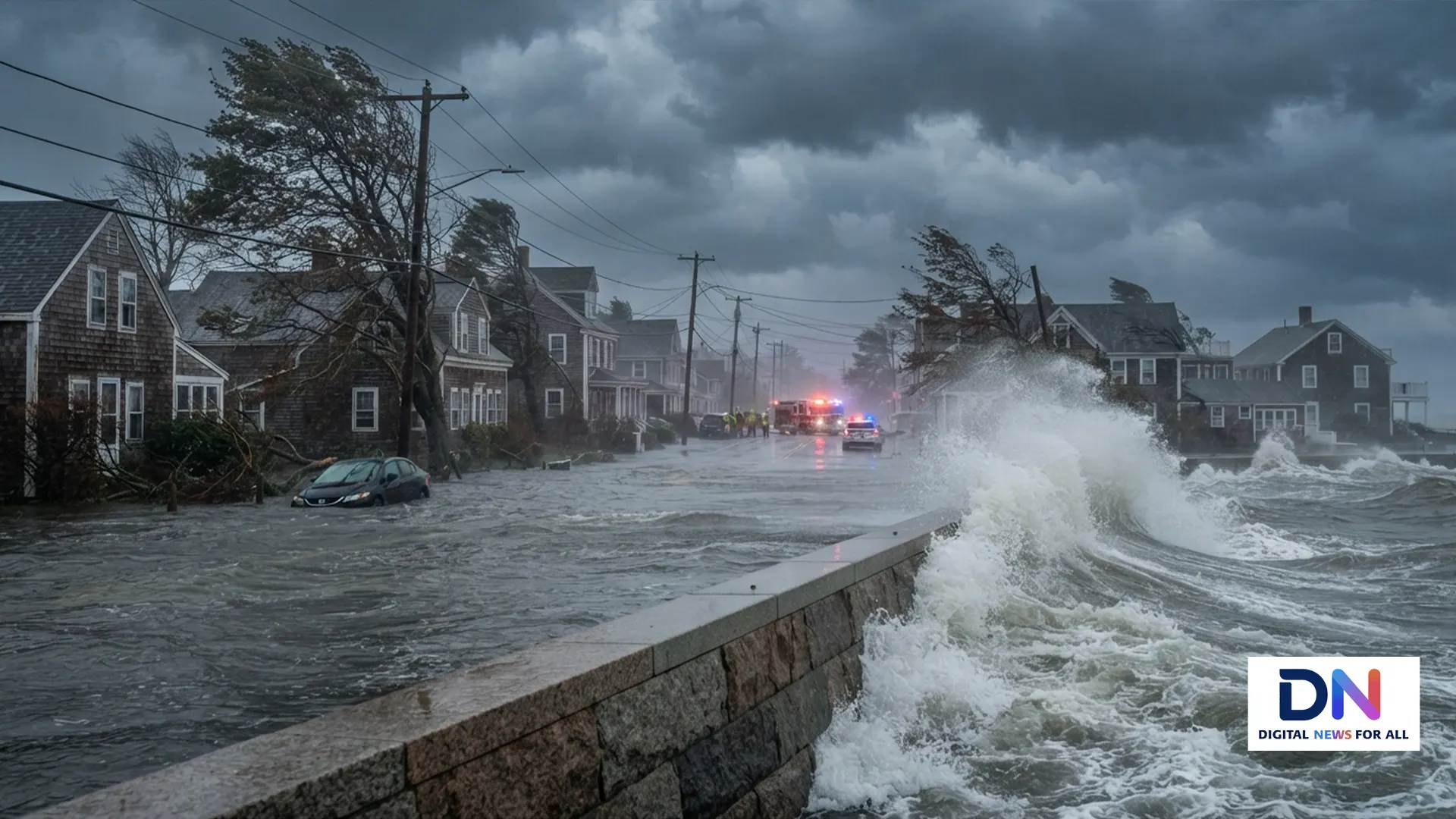
The East Coast nor’easter that battered the Northeast over the weekend left a trail of flooding, downed trees, power outages and transportation disruptions. Even as conditions improved, the storm exposed how vulnerable densely populated coastal communities remain to powerful coastal weather.
The storm affected areas from North Carolina through New England. At its peak, nearly 150,000 households were reported without electricity, while coastal flooding and dangerous surf affected communities along the New Jersey, New York and New England coastlines. The Associated Press reported that the storm also caused at least one death.
Power Restoration Reveals the Scale of Damage
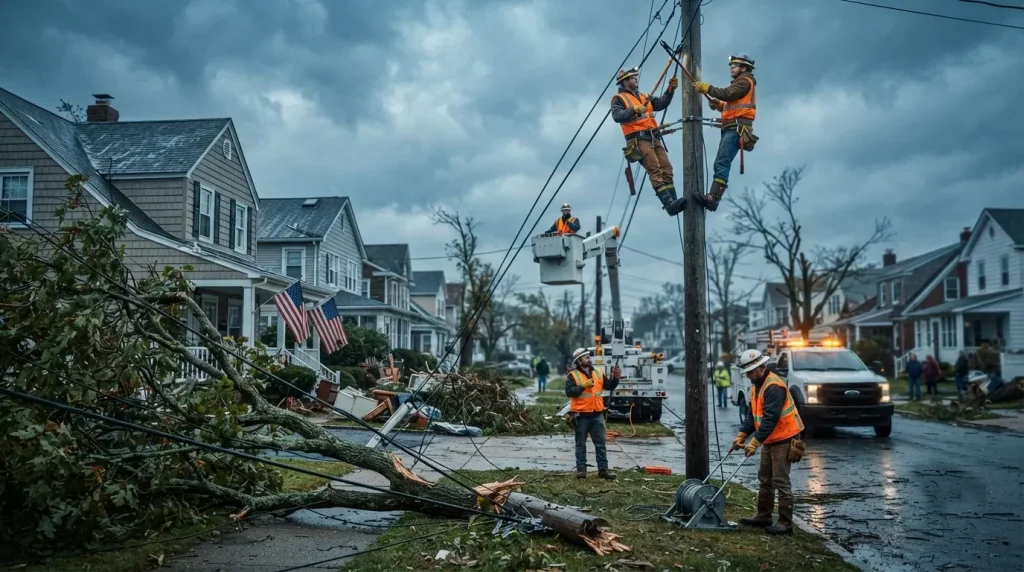
Long Island illustrates the challenge. PSEG Long Island reported that the storm caused more than 125,000 outages across its service territory over roughly 72 hours. By September 28, about 96% of affected customers had been restored, although thousands remained without electricity.
More than 1,230 trees and nearly 750 large branches had fallen, helping explain why wind damage produced such widespread interruptions. PSEG Long Island’s restoration update said more than 1,350 workers were supporting the response.
Travel Disruptions Added Another Layer
The storm also disrupted air and rail travel. At Boston Logan International Airport, FlightAware recorded hundreds of cancellations and delays during the weekend as strong winds and coastal weather affected operations.
CBS Boston reported that Logan had 306 cancellations and 294 delays by Sunday afternoon, following 261 cancellations on Saturday.
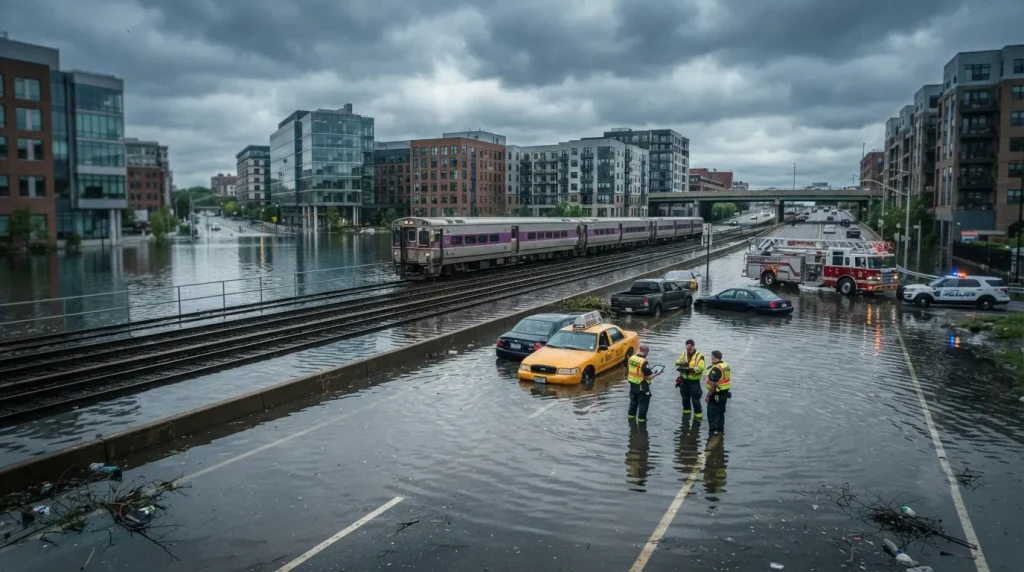
Flooding also affected regional rail service. On Long Island, flooding forced the suspension of the Long Beach branch of the Long Island Rail Road before service was scheduled to resume. News 12 reported that flooding and storm damage continued to affect local transportation and cleanup operations.
Why Coastal Infrastructure Is So Exposed
The storm’s effects are part of a larger infrastructure challenge. Much of the Northeast’s built environment developed around historic coastal settlements. Roads, transit systems, power networks and water infrastructure now face hazards that can be amplified by higher coastal water levels.
The U.S. Climate Resilience Toolkit notes that the Northeast contains extensive infrastructure that is increasingly challenged by weather and climate-related impacts. NOAA also says sea level in the Northeast has risen approximately one foot since 1900.
That matters because storm surge and coastal flooding begin from a higher baseline. NOAA explains that rising seas threaten roads, bridges, subways, power facilities, sewage systems and other infrastructure in coastal communities.
The Bigger Infrastructure Question
Power systems face a similar vulnerability. FEMA notes that storms can disrupt transmission and distribution networks, while coastal flooding can create additional problems because prolonged saltwater exposure can damage electrical equipment.
The immediate response to this nor’easter shows that utilities can restore large numbers of customers quickly. The harder question is whether communities can reduce the underlying exposure before the next major storm arrives.
That could mean stronger utility systems, improved drainage, upgraded coastal barriers, more resilient transportation networks and infrastructure designed around future flood conditions rather than historical averages.
The East Coast nor’easter may fade from the headlines, but its infrastructure lesson remains: recovery can restore services after a storm, while resilience determines how severely those services are disrupted in the first place.
#Noreaster #EastCoast #CoastalFlooding #PowerOutages #ExtremeWeather #Infrastructure #StormDamage #Northeast #WeatherNews