

 By Vinod Ram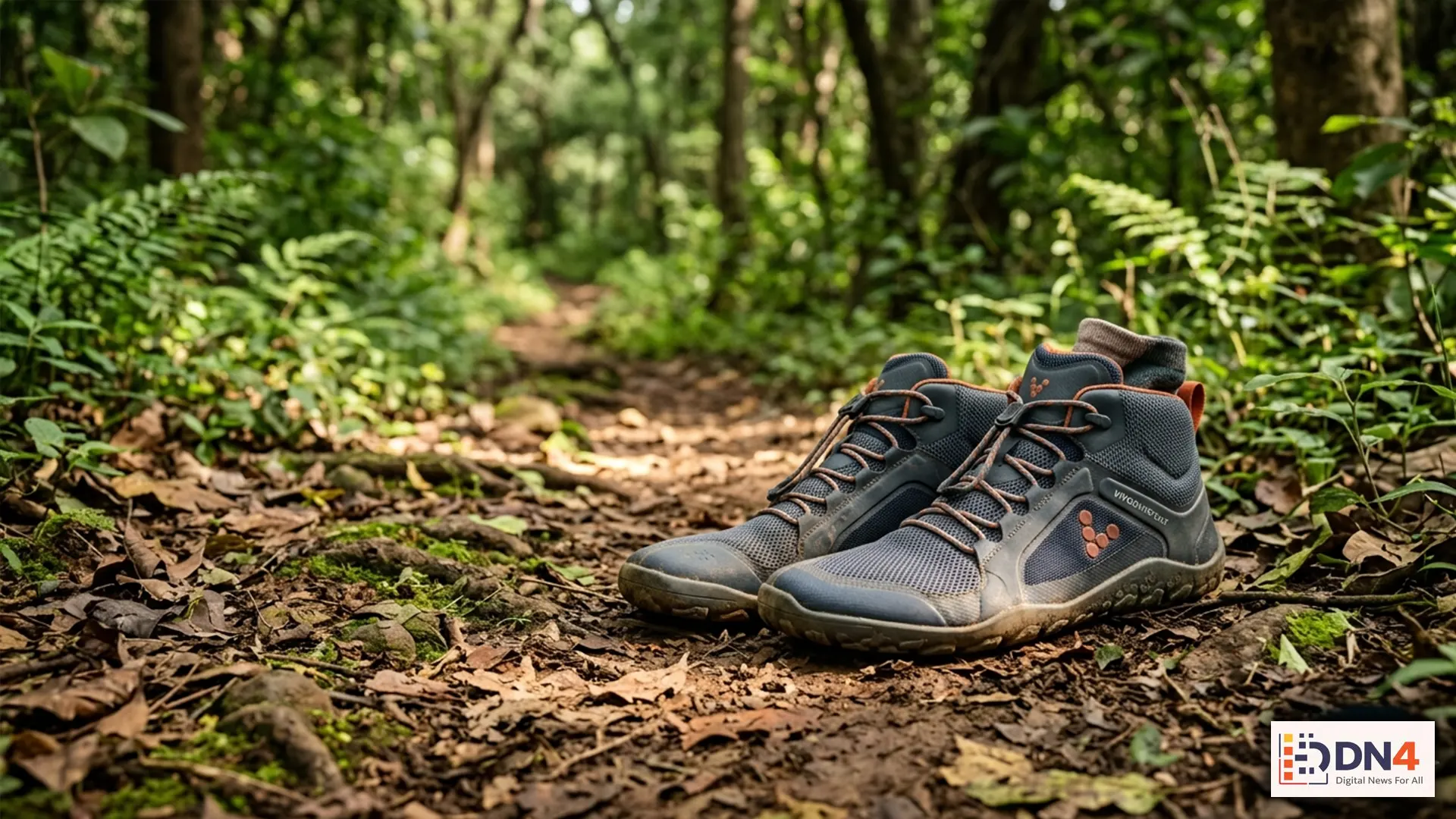
Minimalist footwear has evolved from a niche fitness trend into a mainstream movement embraced by athletes, outdoor enthusiasts, and health-conscious consumers. Among the fastest-growing categories are barefoot boots, designed to mimic natural foot movement while providing protection from the elements.
But are barefoot boots genuinely beneficial for foot health, or are they simply another wellness trend? Experts continue to debate the long-term benefits and potential risks.
Research and guidance from organizations such as the American Podiatric Medical Association, NHS, and Mayo Clinic suggest that footwear choices can significantly impact foot strength, posture, and overall mobility.
What Are Barefoot Boots?
Barefoot boots are designed with minimal cushioning, flexible soles, a wide toe box, and little to no heel elevation. Unlike traditional footwear, they aim to allow the foot to move naturally while maintaining direct contact with the ground.
Popular brands such as Vivobarefoot, Xero Shoes, and Lems Shoes have contributed to the growing popularity of minimalist footwear worldwide.
Potential Health Benefits
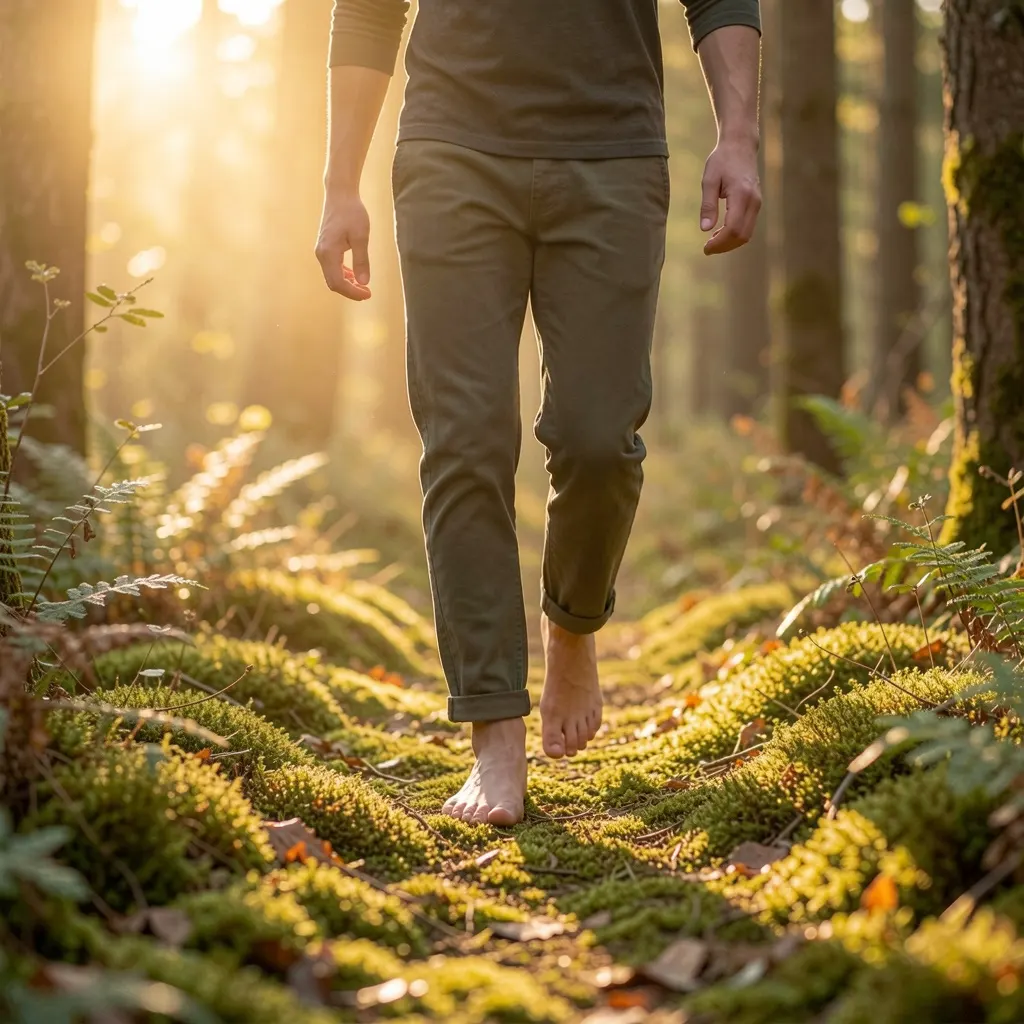
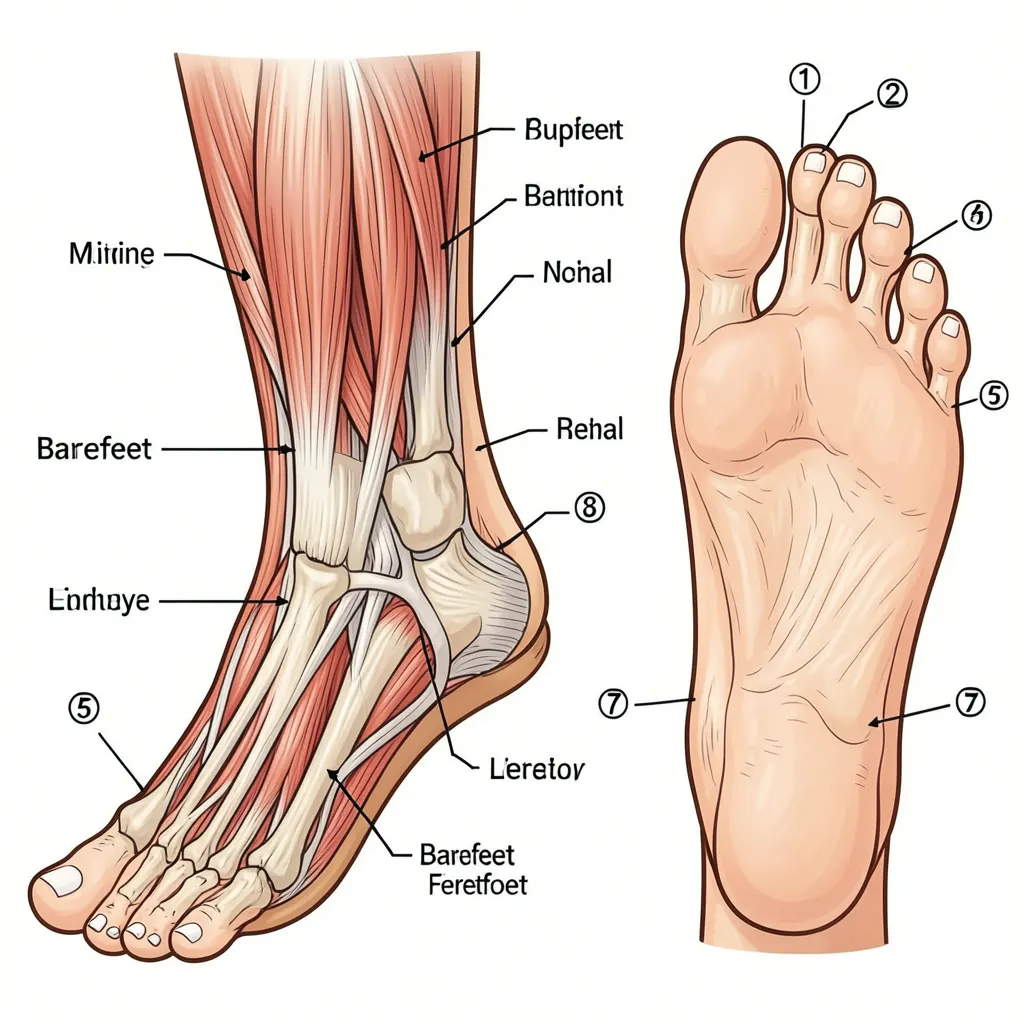
Supporters argue that barefoot boots encourage a more natural walking pattern and help strengthen the muscles, tendons, and ligaments of the feet.
- Improved foot muscle strength
- Greater balance and stability
- Enhanced proprioception (body awareness)
- Natural toe alignment
- Potential posture improvements
Some studies highlighted by Harvard Health suggest that reducing excessive foot support may help activate underused muscles.
Potential Risks and Challenges
Despite their benefits, barefoot boots may not be suitable for everyone. Individuals with existing foot conditions, diabetes, severe flat feet, or mobility issues should consult healthcare professionals before making a transition.
Common challenges include:
- Adjustment discomfort during the transition period
- Increased strain if adopted too quickly
- Reduced protection on hard surfaces
- Higher injury risk without proper adaptation
Experts recommend gradually increasing wear time to allow muscles and connective tissues to adapt.
Why the Trend Is Growing
The minimalist footwear movement aligns with broader wellness trends emphasizing natural movement, functional fitness, and preventive health. Social media influencers, fitness coaches, and outdoor enthusiasts continue to showcase barefoot boots as an alternative to heavily cushioned footwear.
The market has also expanded beyond athletic use, with stylish designs now available for everyday wear, hiking, travel, and professional environments.
Should You Try Barefoot Boots?
For many healthy individuals, barefoot boots can be a valuable addition to their footwear collection when introduced gradually. However, they are not a one-size-fits-all solution.
The best approach is to consider your lifestyle, foot structure, and activity level while seeking professional advice if you have existing foot concerns.
Barefoot boots represent more than a fashion trend—they reflect a growing interest in natural movement and foot health. While research continues to evolve, many users report improved comfort, stronger feet, and a greater connection to natural movement patterns.
As with any health-related decision, informed choices and gradual adaptation remain the keys to success.