

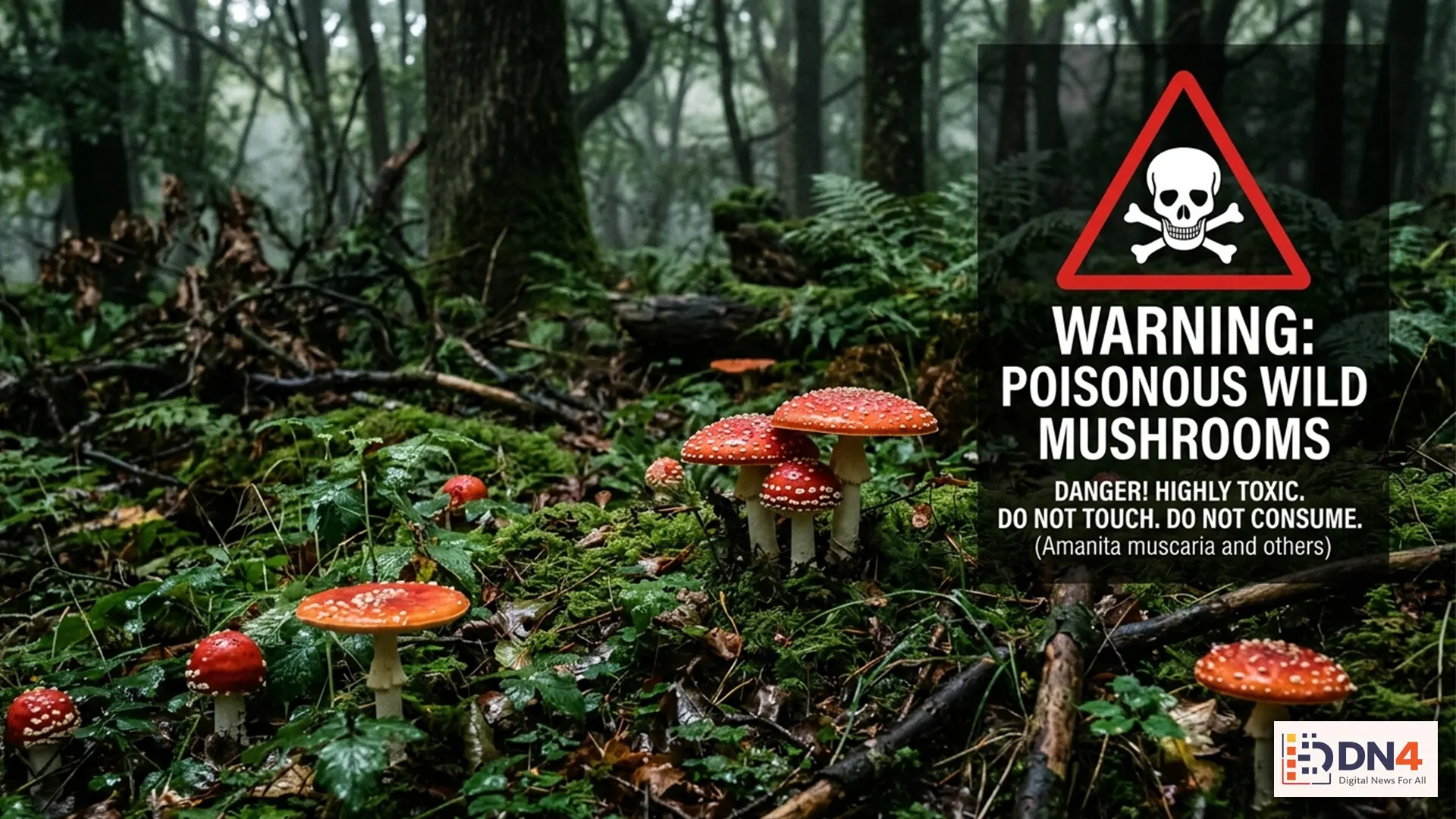
Health authorities are warning outdoor enthusiasts to exercise extreme caution as reports of toxic mushroom poisonings rise during peak foraging season. Experts say even experienced mushroom hunters can mistakenly collect dangerous fungi that closely resemble edible varieties.
Hospitals and poison control centers in several regions have reported an increase in emergency calls linked to accidental mushroom poisoning, particularly during weekends when hiking, camping, and forest foraging activities surge.
According to the Centers for Disease Control and Prevention (CDC), certain poisonous mushrooms can cause severe liver damage, neurological complications, and even death if consumed.
Why Toxic Mushroom Cases Increase During Warmer Months
Moist weather conditions combined with rising temperatures create ideal environments for wild mushrooms to grow rapidly in forests, parks, and hiking areas. Social media trends promoting “natural foraging” and outdoor cooking have also encouraged more beginners to experiment with wild mushrooms.
- Weekend hiking and camping trips
- Online foraging trends on social media
- Misidentification of poisonous species
- Growing interest in organic and wild foods
- Lack of professional mushroom knowledge
Experts from the National Capital Poison Center warn that some toxic mushrooms look nearly identical to edible species, making visual identification extremely risky for amateurs.
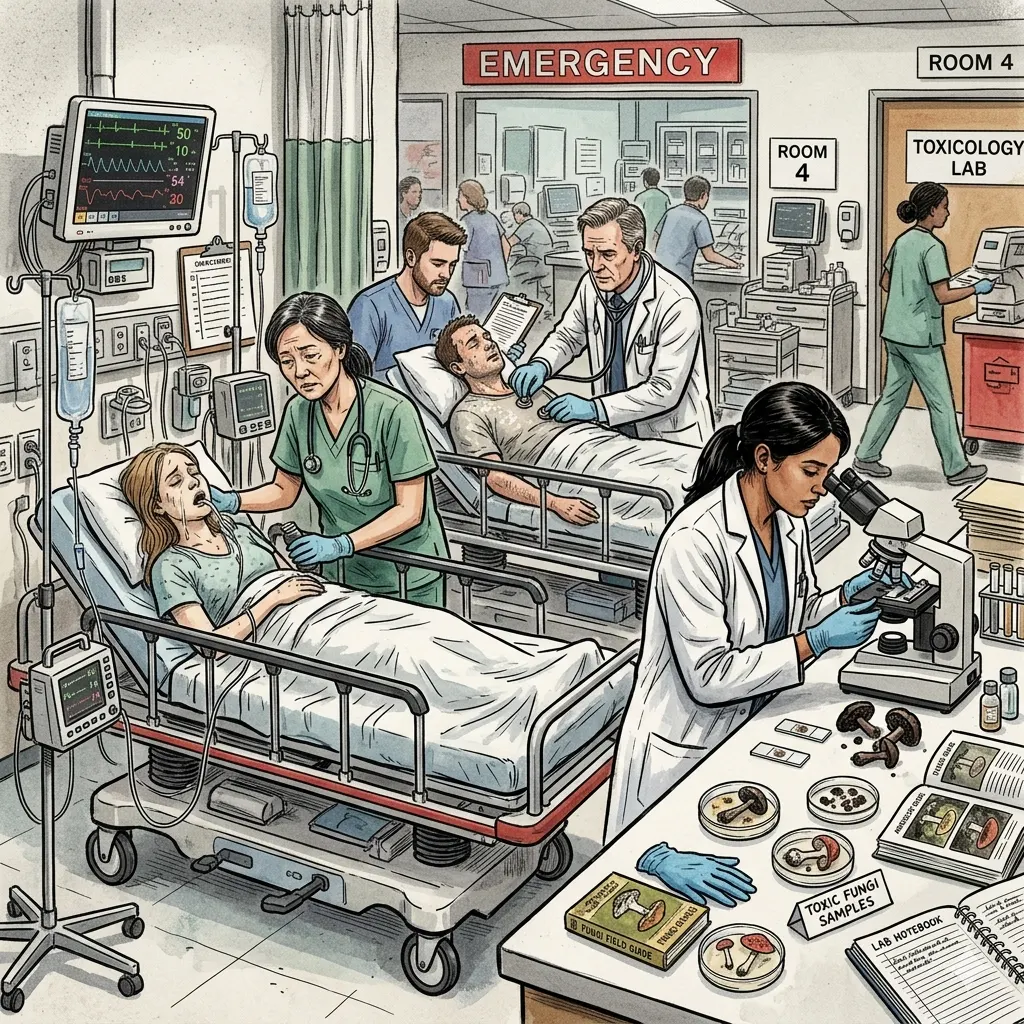
The Most Dangerous Symptoms to Watch For
Mushroom poisoning symptoms may appear within minutes or could take several hours depending on the toxin involved. In some cases, delayed symptoms can make poisoning especially dangerous because victims may initially believe they are safe.
- Severe stomach pain
- Vomiting and diarrhea
- Dizziness or hallucinations
- Confusion and seizures
- Liver or kidney failure
- Difficulty breathing
The U.S. Food and Drug Administration (FDA) advises anyone experiencing symptoms after eating wild mushrooms to seek emergency medical attention immediately.
Why “Natural” Doesn’t Always Mean Safe
One of the biggest misconceptions surrounding mushroom foraging is the belief that naturally growing foods are automatically safe to eat. Toxic fungi can contain deadly compounds that cooking, freezing, or drying will not remove.
Researchers from the Mayo Clinic emphasize that even small amounts of highly toxic mushrooms can cause life-threatening organ damage.
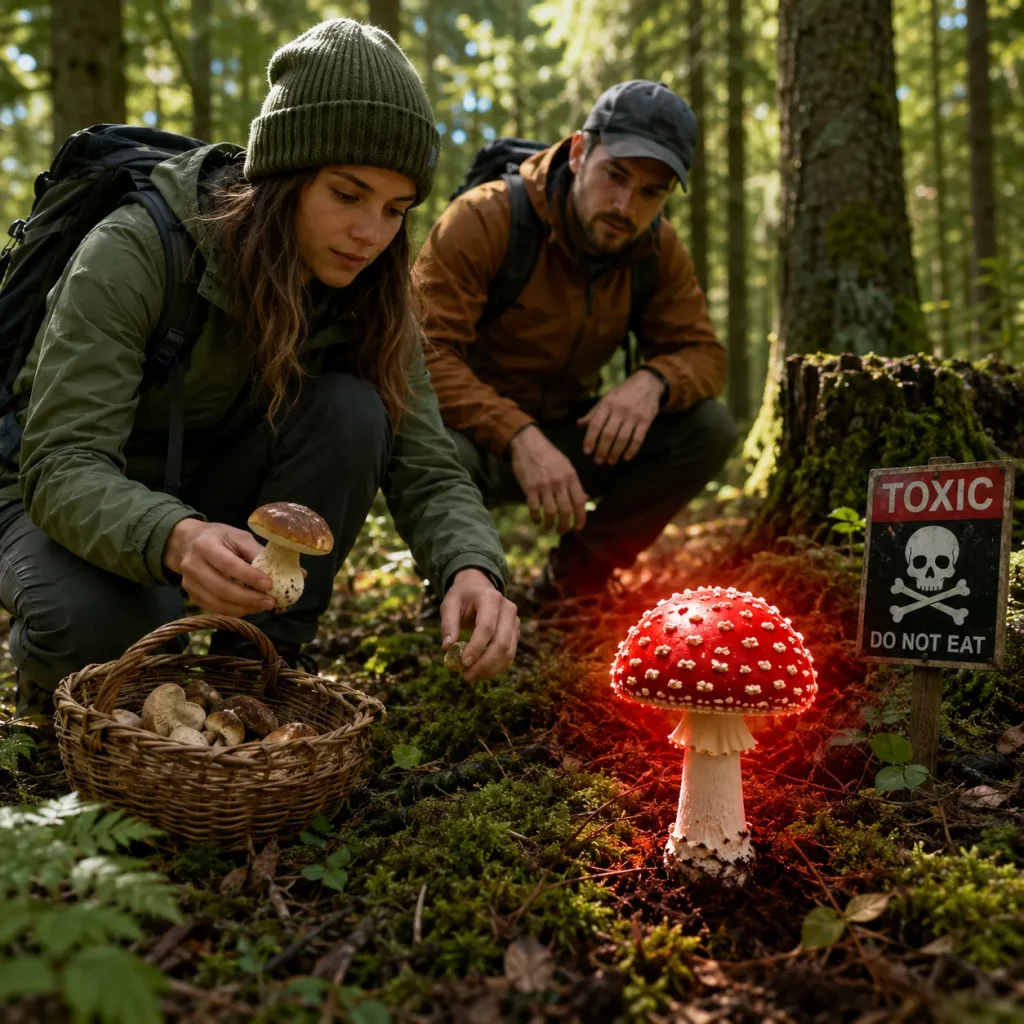
How to Stay Safe While Foraging
If you plan to forage this weekend, experts strongly recommend avoiding wild mushrooms unless guided by certified specialists or professional mycologists.
- Never eat unidentified mushrooms
- Use certified field guides carefully
- Avoid relying on social media identification groups
- Keep children and pets away from wild fungi
- Contact poison control immediately if exposure occurs
Organizations such as the North American Mycological Association encourage beginners to participate in supervised educational foraging programs before collecting mushrooms independently.
The Bigger Outdoor Safety Trend
The toxic mushroom outbreak highlights a broader trend involving outdoor wellness culture, survival content, and social media-driven foraging challenges. As more people reconnect with nature, experts say education and caution are becoming increasingly important.
For many families, a simple weekend adventure can quickly turn dangerous without proper awareness of environmental health risks.
#ToxicMushrooms #ForagingSafety #MushroomPoisoning #OutdoorSafety #HealthWarning #WildMushrooms #HikingTips