

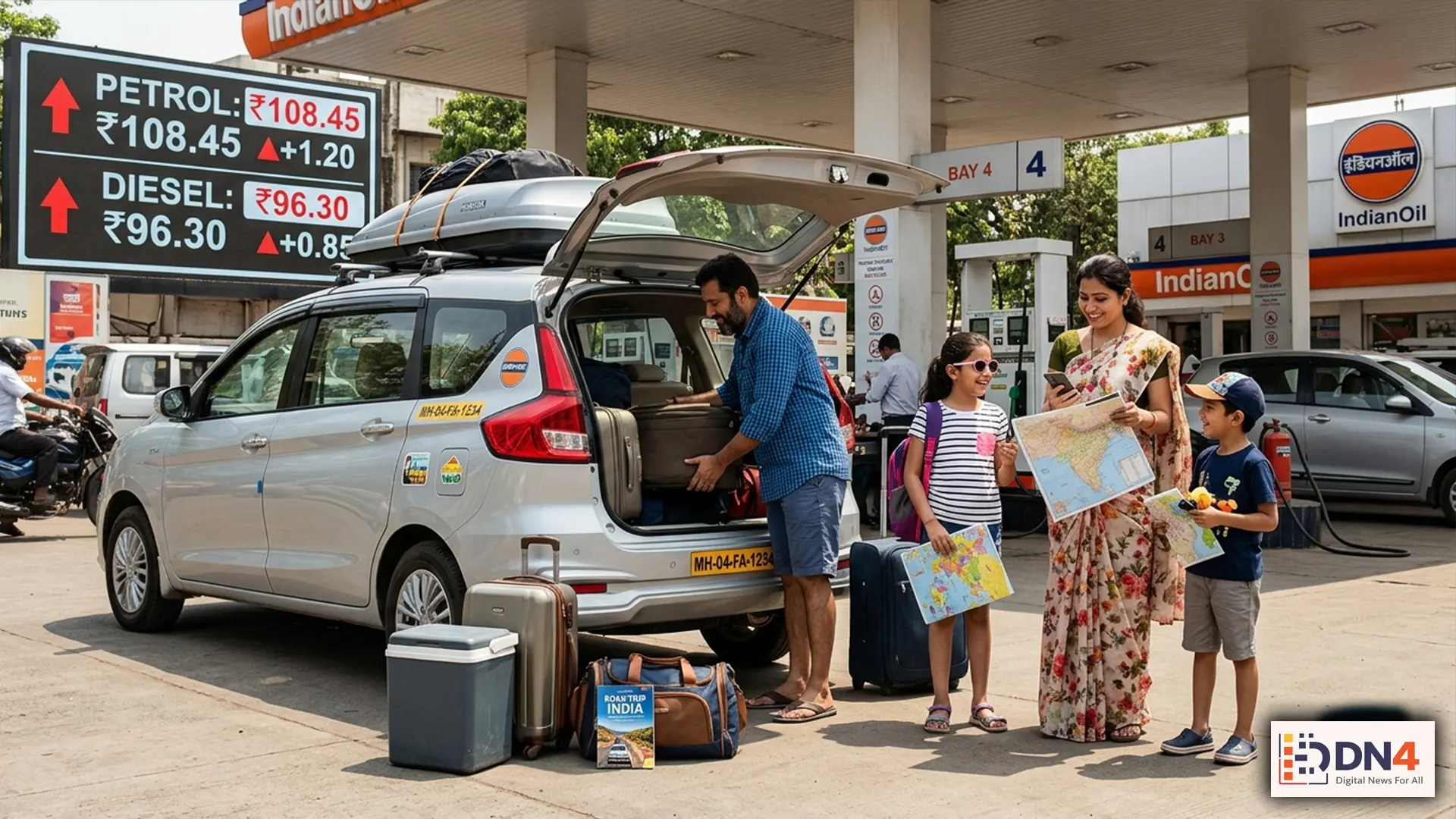
Summer travel season is in full swing, but rising fuel prices are forcing many families and travelers to rethink their vacation budgets. Whether you’re planning a road trip, flying to a new destination, or exploring closer to home, transportation costs can quickly consume a significant portion of your travel budget.
According to insights from International Energy Agency (IEA) and fuel market data tracked by U.S. Energy Information Administration, fluctuating energy prices continue to impact transportation costs globally.
The good news? There are several practical strategies travelers can use to reduce expenses without sacrificing their summer adventures.
1. Plan Routes Using Fuel-Saving Apps
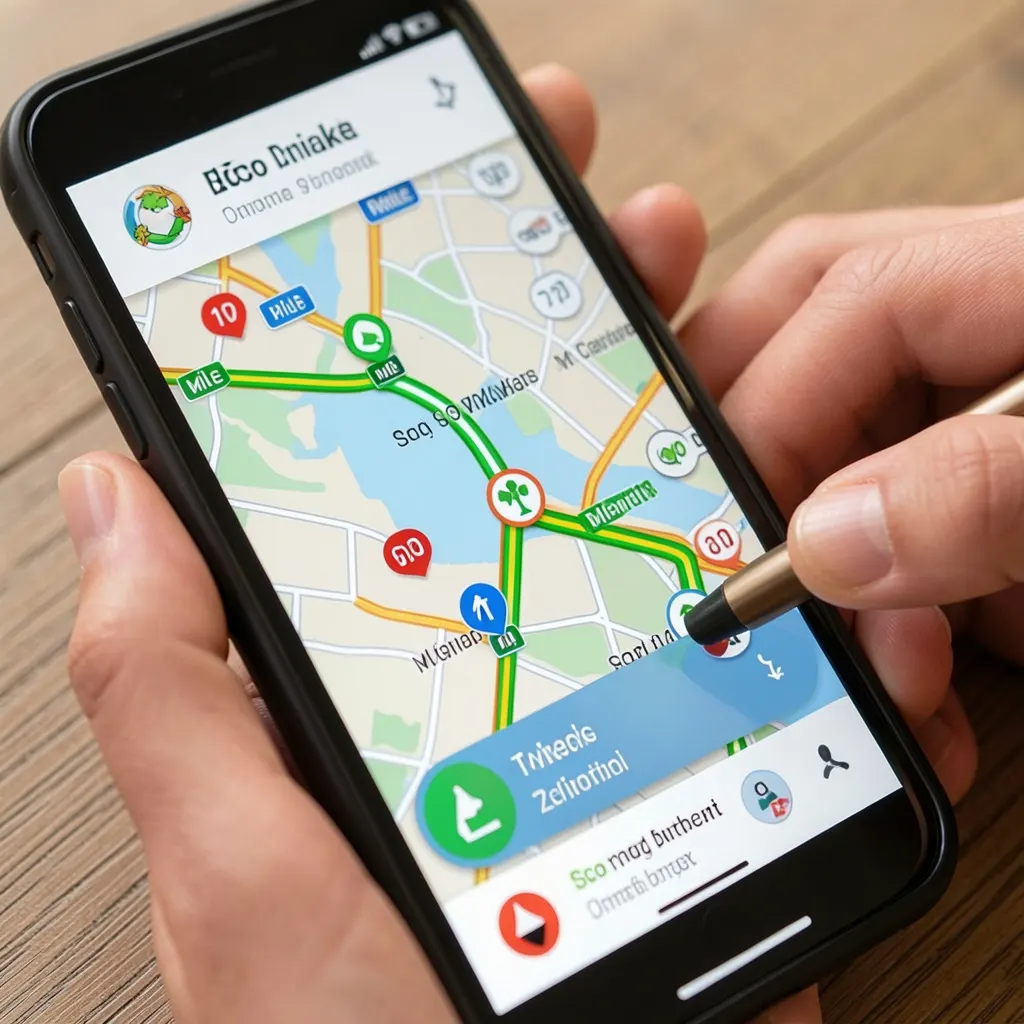
Modern navigation tools can help drivers avoid traffic congestion, road closures, and inefficient routes. Apps like Google Maps and Waze provide real-time traffic updates that can reduce fuel consumption and travel time.
Even small route optimizations can lead to noticeable savings during long-distance trips.
2. Choose Fuel-Efficient Transportation
If you’re renting a vehicle, consider hybrid or fuel-efficient models. Many travelers are also exploring electric vehicle options as charging networks continue to expand.
Resources from U.S. Department of Energy show that fuel-efficient vehicles can significantly reduce travel costs over extended journeys.
3. Book Flights Early and Stay Flexible
Airfare prices often rise alongside fuel costs. Using comparison tools such as Skyscanner and Kayak allows travelers to compare fares and identify cheaper travel dates.
Flying midweek or during off-peak hours can often result in substantial savings.
4. Combine Activities Into One Trip
Instead of making multiple short journeys, consider combining sightseeing, shopping, dining, and recreational activities into a single outing. Fewer trips mean lower fuel expenses and reduced wear on your vehicle.Resources from U.S. Department of Energy show that fuel-efficient vehicles can significantly reduce travel costs over extended journeys.
3. Book Flights Early and Stay Flexible
Airfare prices often rise alongside fuel costs. Using comparison tools such as Skyscanner and Kayak allows travelers to compare fares and identify cheaper travel dates.
Flying midweek or during off-peak hours can often result in substantial savings.
4. Combine Activities Into One Trip
Instead of making multiple short journeys, consider combining sightseeing, shopping, dining, and recreational activities into a single outing. Fewer trips mean lower fuel expenses and reduced wear on your vehicle.
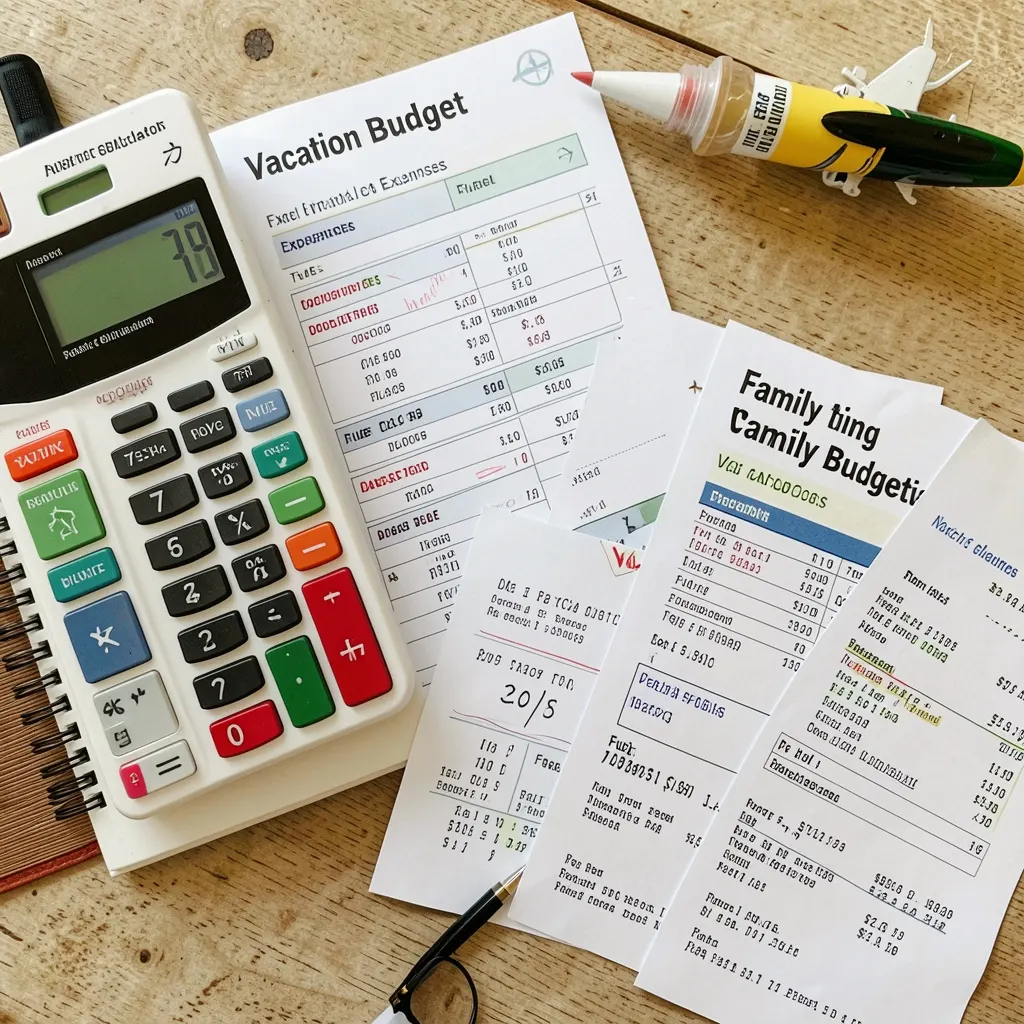
This simple strategy is especially effective for families managing tight travel budgets.
5. Explore Nearby Destinations
One of the biggest travel trends in recent years has been the rise of “staycations” and regional tourism. Nearby destinations often offer memorable experiences without the transportation costs associated with long-distance travel.
Travel experts from Lonely Planet frequently recommend discovering local attractions that travelers may have previously overlooked.
Rising fuel prices don’t have to derail your summer travel plans. By planning ahead, choosing efficient transportation, comparing prices, and exploring destinations closer to home, travelers can continue enjoying memorable vacations while keeping costs under control.
Smart planning remains the most effective tool for navigating higher travel expenses and maximizing your summer adventures.
#TravelTips #SummerTravel #FuelPrices #TravelSavings #BudgetTravel #RoadTrip #VacationPlanning #TravelHacks #TravelBudget #TravelNews