

 By Vinod Ram
Millions of Americans could soon experience major changes in healthcare coverage as new Medicaid rules begin rolling out in 2026. Federal and state policymakers are introducing updates that may affect eligibility requirements, enrollment procedures, and long-term healthcare access for low-income families, seniors, and individuals with disabilities.
According to information released by the Centers for Medicare & Medicaid Services (CMS), the changes are part of broader healthcare policy reforms aimed at reducing costs, improving program oversight, and encouraging workforce participation.
What Is Changing in 2026?
Several states are expected to introduce stricter eligibility verification processes and expanded renewal checks. In some cases, Medicaid recipients may need to provide updated income records more frequently to maintain coverage.
Healthcare policy experts also anticipate renewed debates around work requirements for certain Medicaid programs. Similar proposals have appeared in previous years but faced legal and political challenges.
The Kaiser Family Foundation (KFF) estimates that millions of Americans could risk losing coverage if administrative barriers increase during the renewal process.

Who Could Be Most Affected?
The biggest impact may fall on:
- Low-income households
- Rural communities
- Gig economy workers
- Older adults near retirement age
- Families with children enrolled in public healthcare programs
Healthcare advocates warn that even minor paperwork issues can lead to accidental coverage loss. Reports from the Commonwealth Fund suggest administrative complexity remains one of the largest barriers to consistent healthcare access in the United States.
Why States Are Tightening Medicaid Rules
State governments argue the reforms are necessary to control rising healthcare spending and ensure benefits reach eligible recipients. Medicaid enrollment surged during the pandemic years, significantly increasing pressure on state and federal budgets.
Economic analysts from Brookings Institution say policymakers are now balancing budget concerns with political pressure to maintain affordable healthcare access.
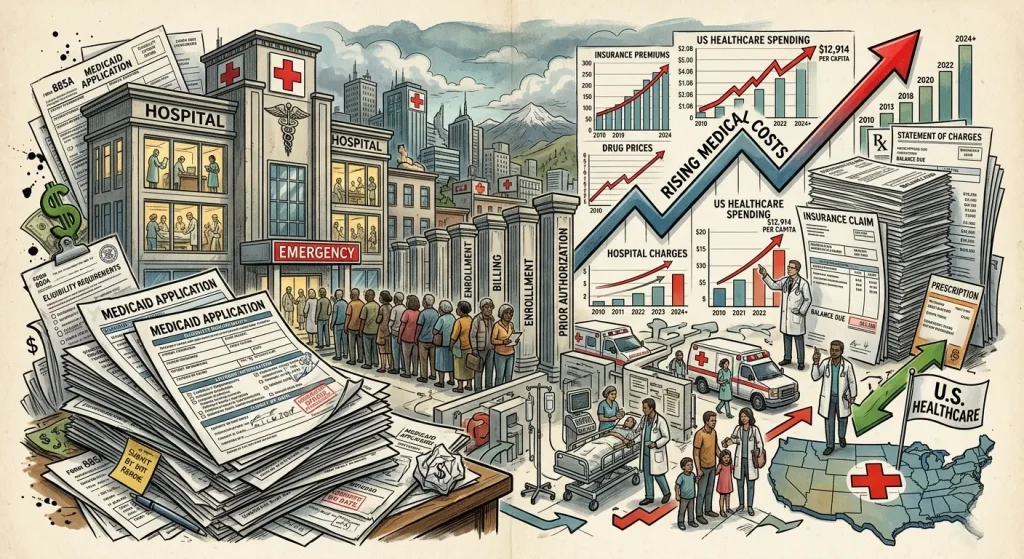
At the same time, inflation and rising medical costs continue putting financial strain on hospitals, insurers, and public healthcare systems nationwide.
What You Should Do Now
Experts recommend Medicaid recipients take proactive steps before new rules take effect:
- Keep contact information updated
- Respond quickly to renewal notices
- Monitor state healthcare announcements
- Review eligibility requirements annually
- Seek assistance from certified healthcare navigators if needed
Healthcare policy specialists also encourage families to explore backup insurance options through employers or the Health Insurance Marketplace in case eligibility changes unexpectedly.
The 2026 Medicaid reforms reflect a larger national debate about healthcare affordability, government spending, and public health access. While supporters believe stricter oversight will improve system efficiency, critics fear millions may lose critical medical coverage due to bureaucratic hurdles.
For many Americans, the coming year could determine not only healthcare costs — but access to essential medical services altogether.
#Medicaid #Healthcare #HealthInsurance #USHealthcare #MedicalCoverage #HealthcarePolicy #PublicHealth #InsuranceNews