

 By Vinod Ram
Former President Donald Trump’s latest executive order focused on artificial intelligence is triggering major debate across the technology, cybersecurity, and policy sectors. Supporters argue the move could strengthen America’s position in the global AI race, while critics warn it may reshape digital privacy, cybersecurity standards, and regulatory oversight.
As artificial intelligence becomes increasingly integrated into government systems, businesses, and everyday consumer technology, the stakes surrounding AI governance are rapidly growing.
What Is the AI Executive Order About?
The executive order aims to accelerate AI development, reduce regulatory barriers, and strengthen national competitiveness in emerging technologies. According to reporting from Reuters, the initiative places a strong emphasis on innovation, national security, and reducing dependence on foreign AI infrastructure.
The order also encourages federal agencies to adopt AI technologies more aggressively while reevaluating existing compliance and cybersecurity frameworks.
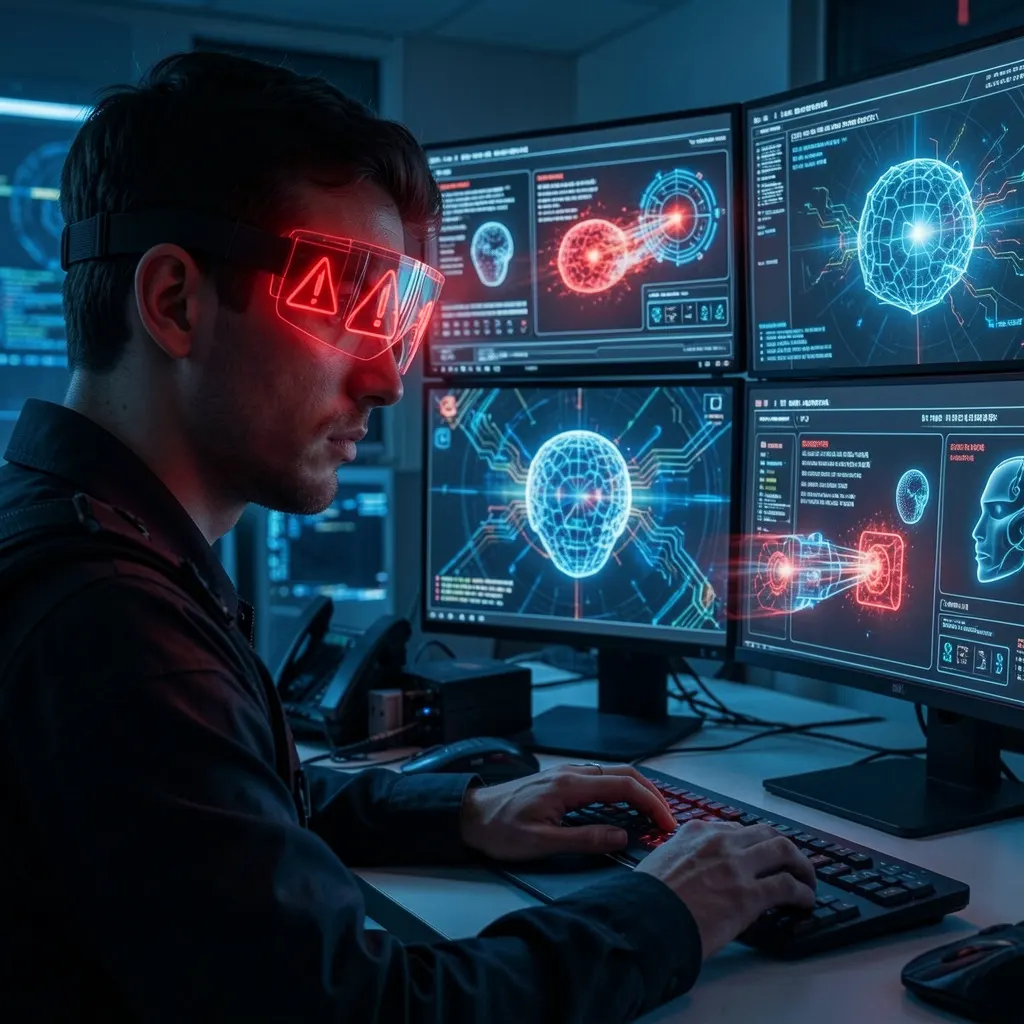
Why Cybersecurity Experts Are Concerned
Cybersecurity professionals warn that rapidly expanding AI systems without robust safeguards could create new digital vulnerabilities. Advanced AI tools can automate cyberattacks, accelerate misinformation campaigns, and increase the sophistication of phishing operations.
Experts from the Cybersecurity and Infrastructure Security Agency (CISA) have repeatedly emphasized the need for stronger AI security standards as machine learning systems become more deeply integrated into critical infrastructure.
According to analysis from WIRED, AI-driven cyber threats may evolve faster than traditional security systems can adapt, especially if regulatory oversight weakens.
What This Means for Everyday Users
For consumers, AI regulation directly affects digital privacy, online security, and how personal data is collected and processed. AI systems increasingly influence social media algorithms, financial services, healthcare platforms, and workplace technologies.
If cybersecurity protections fail to keep pace with AI advancement, users could face higher risks involving identity theft, deepfake scams, automated fraud, and large-scale data breaches.
Organizations such as the Electronic Frontier Foundation (EFF) have called for stronger transparency and accountability standards to protect users from AI-related abuses.
The Global AI Race Is Intensifying
The executive order also reflects growing competition between the United States and other global powers over artificial intelligence leadership.
Countries worldwide are investing billions into AI infrastructure, defense applications, and next-generation cybersecurity systems. According to Bloomberg, governments increasingly view AI dominance as both an economic and national security priority.
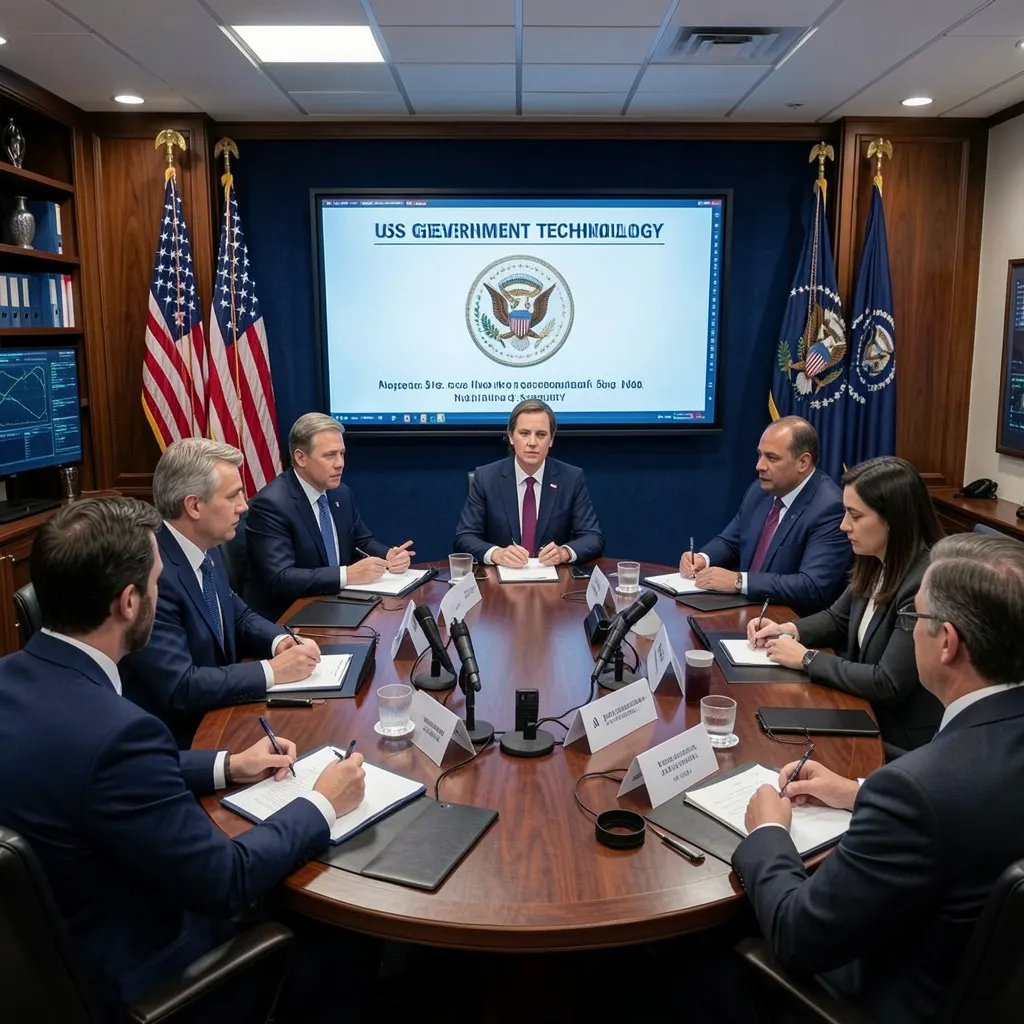
This means future AI policies may significantly impact global technology markets, international trade, and cybersecurity alliances.
Could Regulation Become More Divided?
One of the biggest concerns among technology analysts is the possibility of fragmented AI regulation. Different political approaches toward AI governance could create uncertainty for businesses, developers, and consumers alike.
Experts from the Brookings Institution argue that balancing innovation with cybersecurity protections will remain one of the most difficult policy challenges over the next decade.
Trump’s new AI executive order highlights how rapidly artificial intelligence is becoming central to global politics, cybersecurity, and economic competition.
While supporters see the move as a way to accelerate innovation and strengthen national competitiveness, critics warn that weaker safeguards could expose governments, businesses, and everyday users to growing cybersecurity risks.
As AI technology evolves, the debate over regulation, privacy, and digital security is likely to become one of the defining global issues of the modern era.
#TrumpAIOrder #Cybersecurity #ArtificialIntelligence #AIRegulation #DigitalSecurity #DataPrivacy #AITechnology #TechNews #CyberThreats