

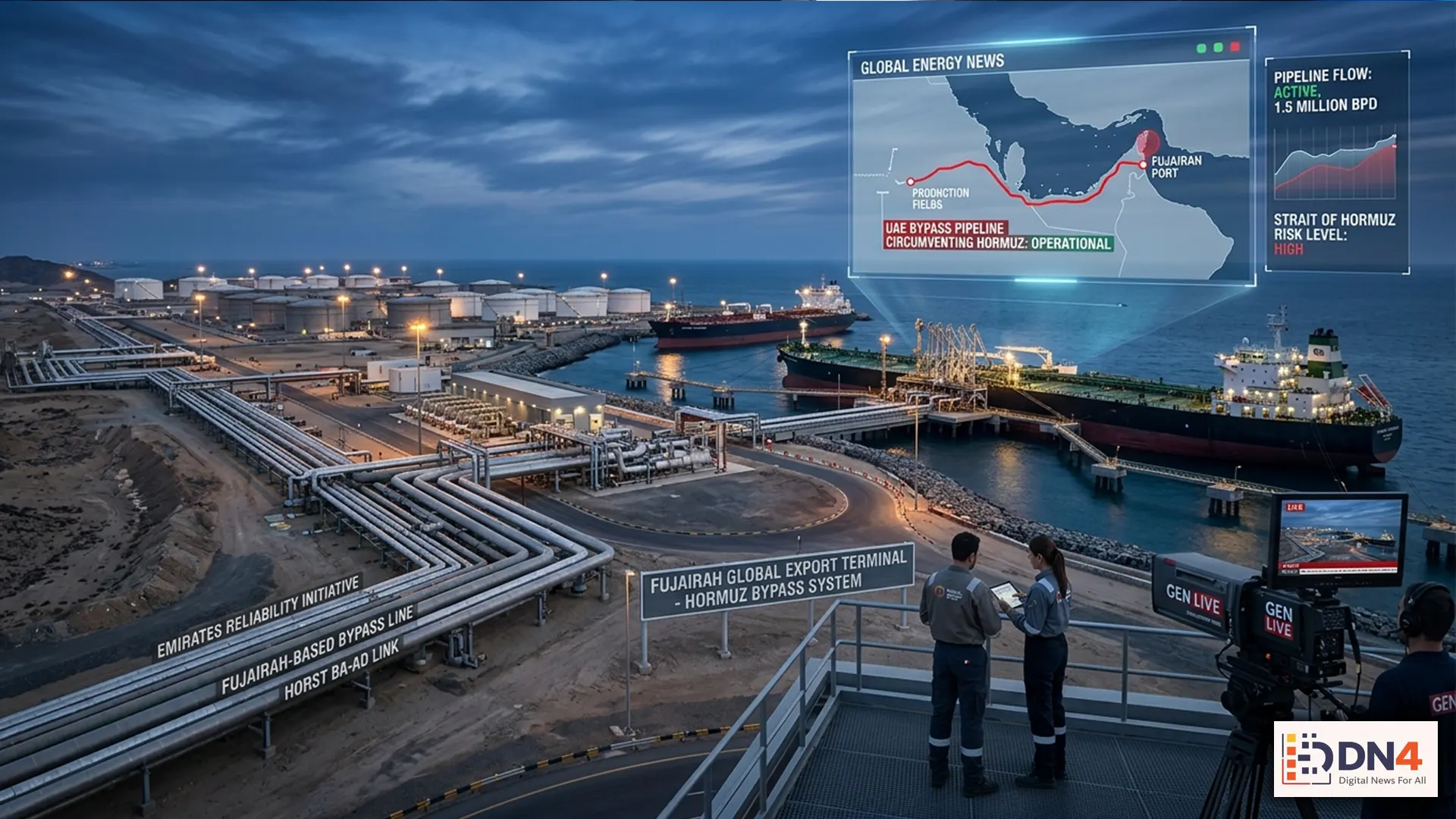
The United Arab Emirates is accelerating efforts to strengthen its position in global energy markets through a strategic pipeline bypass project that could significantly reduce dependence on the Strait of Hormuz by 2027.
As geopolitical tensions continue affecting Middle Eastern shipping routes, global energy experts increasingly view the UAE’s long-term infrastructure investments as a critical move to secure global oil exports and stabilize international energy markets.
Why the Strait of Hormuz Is So Important
The Strait of Hormuz remains one of the world’s most strategically important oil transit chokepoints. Roughly one-fifth of global petroleum consumption moves through the narrow waterway every day.
According to analysis from International Energy Agency (IEA), any disruption in the region can rapidly impact oil prices, global inflation, and supply chains.
Rising regional tensions involving Iran and military threats against shipping routes have increased concerns among major energy-importing nations.
The UAE’s Strategic Pipeline Vision
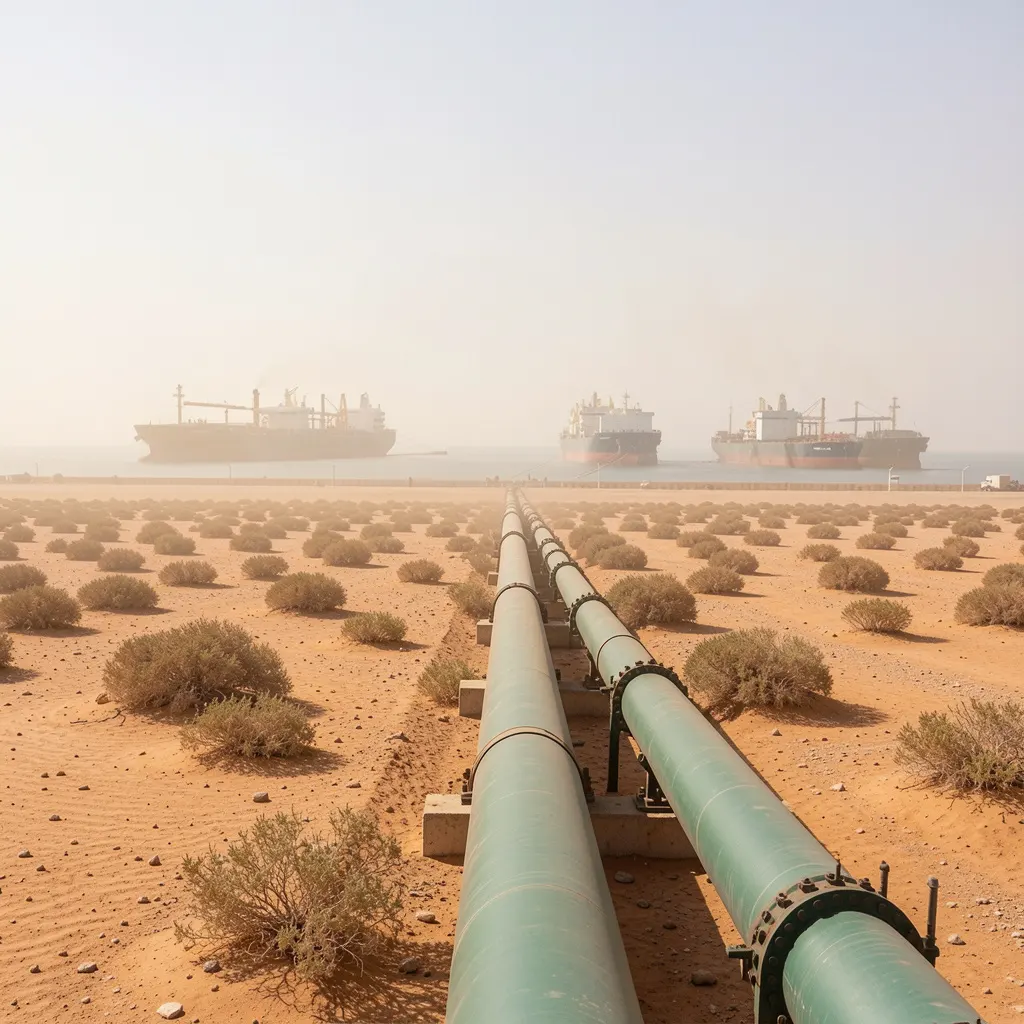
The UAE has already invested heavily in alternative export infrastructure, including the Abu Dhabi National Oil Company (ADNOC) pipeline network connecting inland oil fields directly to the port of Fujairah on the Gulf of Oman.
This bypass allows oil exports to avoid the Strait of Hormuz entirely, reducing exposure to geopolitical disruptions and potential military escalation in the Gulf.
Reports covered by Reuters suggest the UAE is exploring further expansion projects that could significantly increase bypass capacity by 2027.
What This Means for Global Oil Markets
A fully expanded bypass system could reshape global energy logistics by improving supply reliability and lowering transportation risks for major oil-importing economies.
Energy traders believe additional pipeline capacity could help stabilize Brent crude prices during periods of regional instability.
The project also strengthens the UAE’s role as a global energy hub at a time when countries are increasingly prioritizing energy security and diversified supply chains.
Geopolitical and Economic Implications
Analysts from the Council on Foreign Relations argue that bypass infrastructure projects reduce strategic vulnerabilities while increasing regional competition over trade and energy influence.
At the same time, Gulf nations are accelerating investments in logistics, storage facilities, and energy exports to prepare for future disruptions caused by geopolitical conflicts or shipping threats.
The UAE’s strategy also aligns with broader efforts to attract global investors by presenting itself as a stable and reliable long-term energy supplier.
Could This Change the Balance of Power?
If successful, the UAE pipeline bypass could weaken the strategic leverage traditionally associated with the Strait of Hormuz. This may alter regional power dynamics and influence future geopolitical negotiations involving energy security.
Experts from Bloomberg suggest global markets are increasingly rewarding countries capable of maintaining uninterrupted supply chains during periods of uncertainty.
The UAE pipeline bypass project represents more than an infrastructure expansion — it signals a major shift in the future of global oil logistics and energy security.
As the world moves toward 2027, the success of this strategy could redefine how global energy markets respond to geopolitical risks in one of the world’s most volatile regions.
#UAEPipeline #GlobalOil #EnergySecurity #MiddleEast #OilMarkets #BrentCrude #StraitOfHormuz #EnergyNews #Geopolitics