

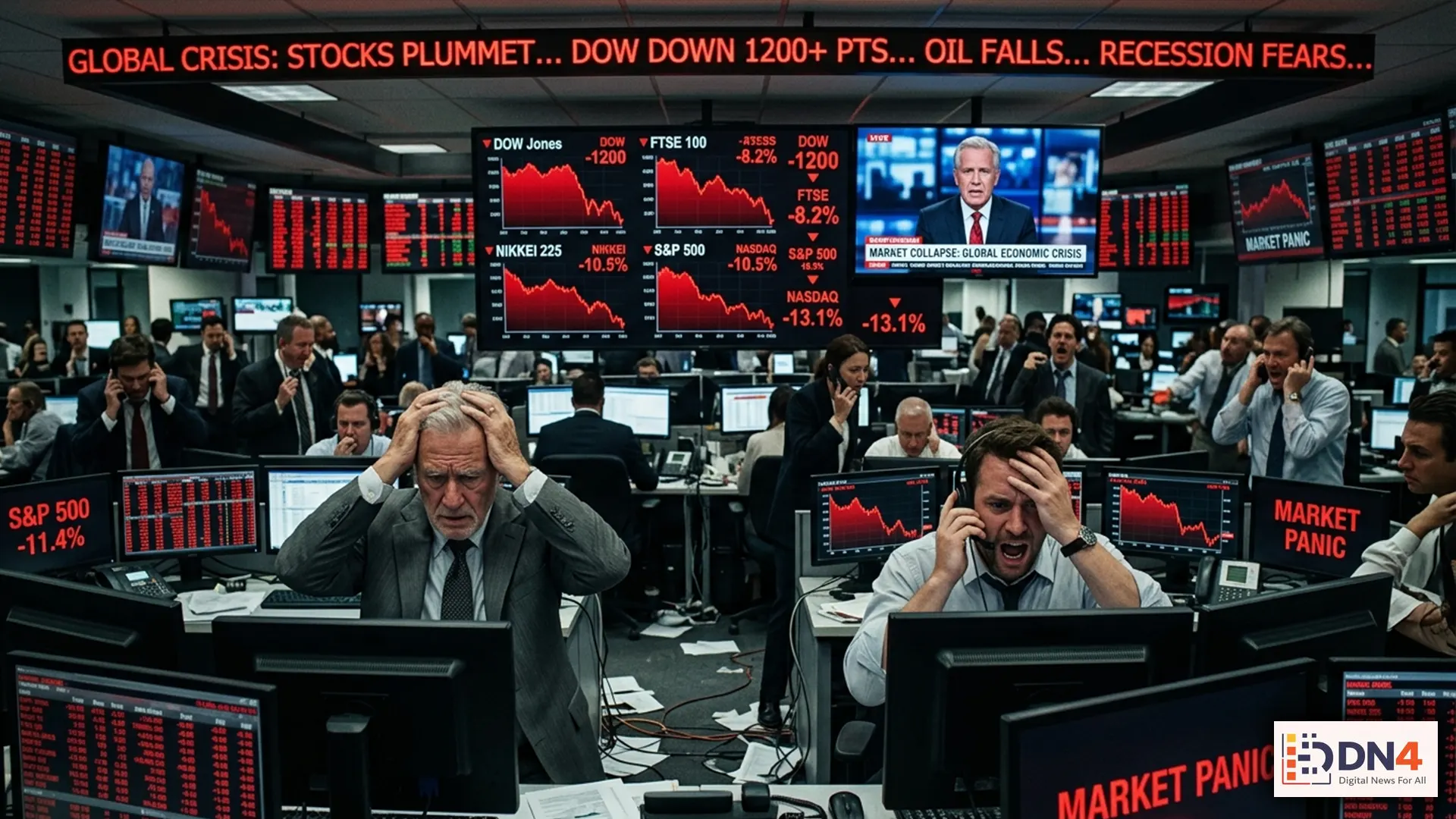
Global financial markets are facing renewed turbulence as investors increasingly pull money out of stocks and risk-sensitive assets. Rising geopolitical tensions, inflation concerns, and fears of slower economic growth are creating uncertainty across global markets.
The recent market sell-off has affected major indices worldwide, leaving investors wondering whether this is a temporary correction or the beginning of a deeper financial downturn.
What Is Driving the Market Sell-Off?
Several factors are contributing to the current wave of investor caution. One of the biggest concerns remains rising geopolitical instability, particularly in the Middle East and global energy markets.
According to reports from Bloomberg, investors are increasingly moving funds toward safer assets such as government bonds, gold, and the US dollar.
At the same time, inflation remains stubbornly high in several major economies. Central banks including the US Federal Reserve continue signaling that interest rates may stay elevated longer than previously expected.
Why Market Sentiment Matters
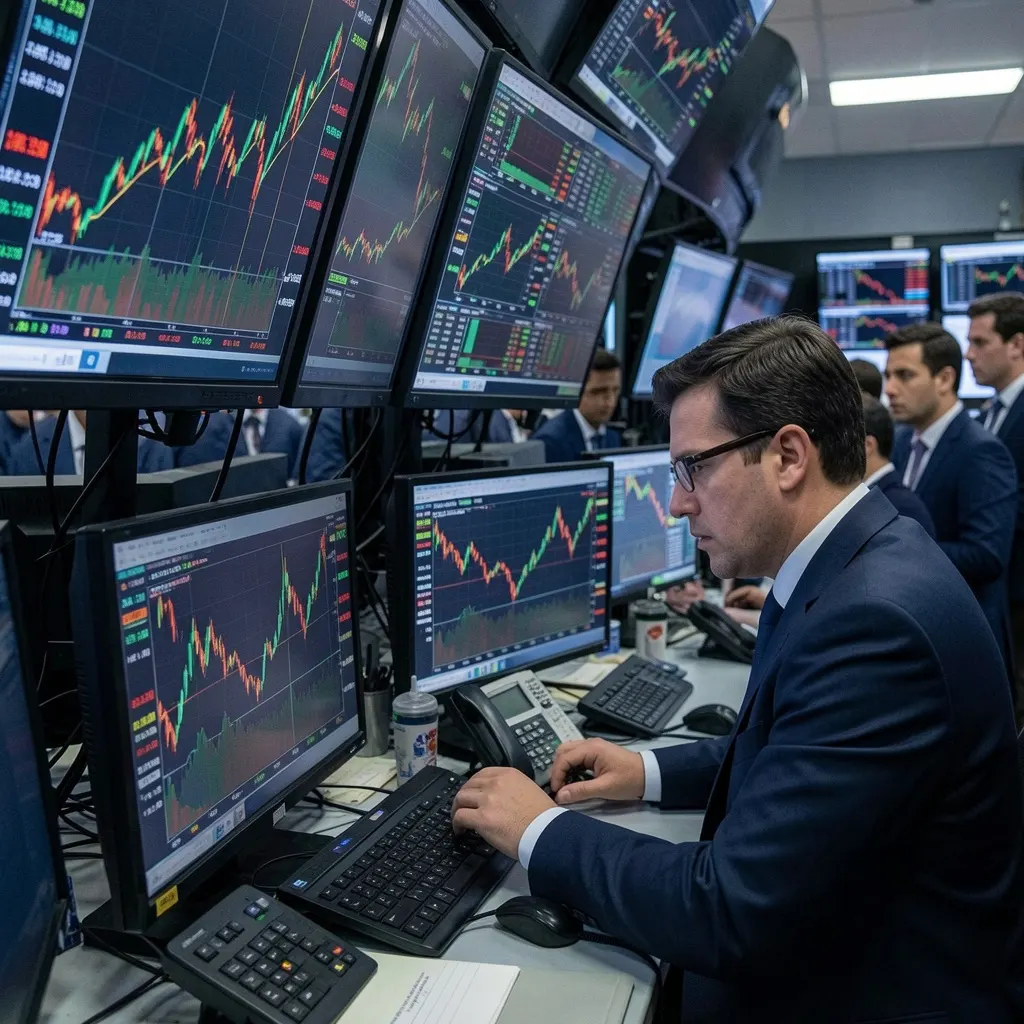
Investor sentiment plays a critical role in financial markets. When confidence declines, traders often reduce exposure to riskier investments such as growth stocks, emerging markets, and speculative assets.
Analysts from CNBC note that fear-driven selling can accelerate market volatility, especially when investors react emotionally to headlines involving inflation, wars, or recession risks.
Negative sentiment can quickly spread across sectors, affecting technology companies, banking stocks, energy markets, and consumer industries simultaneously.
How This Affects Your Portfolio
For individual investors, market sell-offs often create short-term portfolio losses and emotional stress. Retirement accounts, mutual funds, and equity investments may all experience sharp fluctuations during periods of uncertainty.
However, financial experts from the Investopedia community emphasize that market corrections are a normal part of long-term investing cycles.
Diversification remains one of the most important risk management strategies. Investors with balanced exposure across sectors and asset classes may be better positioned to handle volatility.
The Role of Inflation and Oil Prices
Higher oil prices continue adding pressure to global markets. Rising energy costs increase inflation, reduce consumer spending power, and impact corporate profit margins.
According to the International Monetary Fund (IMF), persistent inflation and slower global growth remain key risks for financial markets in the coming years.
Investors are also closely monitoring the impact of supply chain disruptions and global trade tensions on future economic growth.

Should Investors Panic?
Most financial advisors warn against making emotional investment decisions during periods of market volatility. Historically, panic selling during downturns has often led investors to miss long-term market recoveries.
Experts from Morningstar recommend focusing on long-term goals, maintaining diversified portfolios, and avoiding reactionary trading based solely on short-term market headlines.
The current market sell-off reflects growing uncertainty across the global economy. Rising inflation, geopolitical risks, and slowing growth are all affecting investor sentiment and market stability.
While volatility can create anxiety, it also highlights the importance of disciplined investing and long-term financial planning. For many investors, understanding market psychology may be just as important as understanding the numbers themselves.
#MarketSellOff #InvestorSentiment #StockMarket #GlobalMarkets #Investing #PortfolioManagement #FinancialNews #Inflation #MarketVolatility