


The Indian rupee is once again under pressure as the USD/INR exchange rate approaches the psychologically critical 97.00 resistance level. Currency traders, importers, and policymakers are closely monitoring the situation as rising oil prices, global uncertainty, and a strong US dollar continue to impact emerging markets.
The movement in the rupee is not just a financial market story — it directly affects trade costs, fuel prices, inflation, and investor confidence across India’s economy.
Why the 97.00 Level Matters
In forex markets, resistance levels are price points where currencies often struggle to move higher. Analysts believe that if USD/INR sustainably crosses the 97.00 mark, it could trigger additional volatility in India’s financial markets.
According to market analysts covered by Reuters, persistent global uncertainty and rising energy prices are increasing pressure on the rupee despite intervention efforts by the Reserve Bank of India (RBI).

How Global Trade Impacts the Rupee
India remains one of the world’s largest energy importers. As global crude oil prices rise, the country spends more dollars on imports, increasing demand for the US currency and weakening the rupee.
At the same time, global investors are shifting funds toward safer US assets due to rising geopolitical tensions and higher interest rates in the United States.
According to economic research from the International Monetary Fund (IMF), stronger US dollar cycles often create significant pressure on emerging market currencies, especially those heavily dependent on commodity imports.
What a Weaker Rupee Means for Consumers
A weaker rupee impacts multiple sectors of the economy. Imported goods become more expensive, fuel costs rise, and inflationary pressure increases for businesses and households.
Industries relying on imports — including electronics, aviation, and manufacturing — may face higher operational expenses if the rupee weakens further.
However, some export-focused industries such as IT services and pharmaceuticals could benefit from a weaker rupee because overseas revenues become more valuable when converted into Indian currency.
Can the RBI Stabilize the Market?
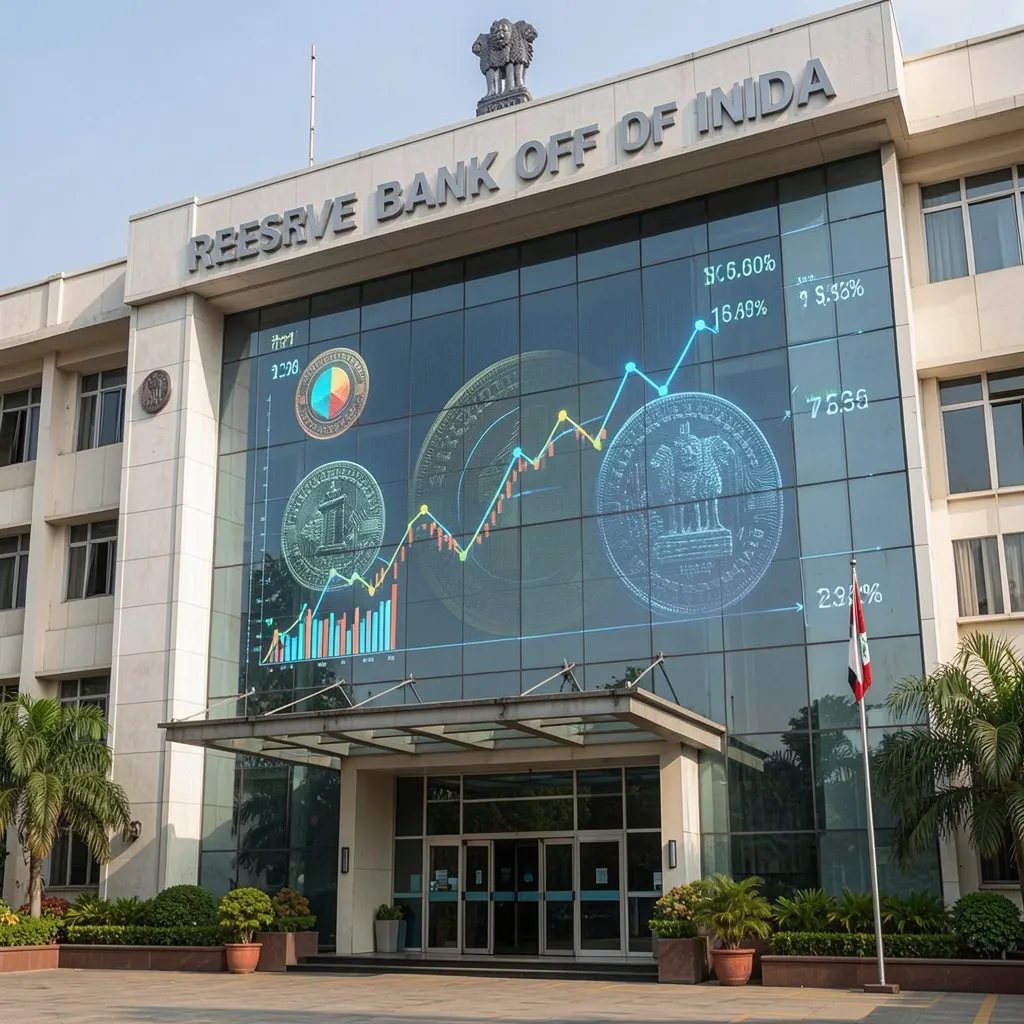
The RBI has historically intervened in currency markets to prevent excessive volatility. Experts believe the central bank may continue using forex reserves and liquidity measures to stabilize the rupee if pressure intensifies.
Financial analysts from Bloomberg suggest that the future direction of USD/INR will largely depend on oil prices, US Federal Reserve policy decisions, and broader geopolitical risks.
The Bigger Global Picture
The USD vs INR movement reflects broader global economic shifts involving inflation, trade balances, and investor sentiment. As geopolitical tensions continue affecting energy markets and capital flows, emerging market currencies may remain highly sensitive to global developments.
The 97.00 resistance level is becoming a major psychological and economic milestone for the rupee. Whether the RBI can stabilize the rupee remains uncertain. The outcome will depend heavily on oil prices, foreign investment flows, and international market stability.
For businesses and consumers alike, currency volatility is no longer just a market indicator — it’s increasingly affecting everyday financial decisions.
#USDINR #IndianRupee #ForexMarket #GlobalTrade #CurrencyMarket #RBI #DollarRupee #OilPrices #FinancialNews