

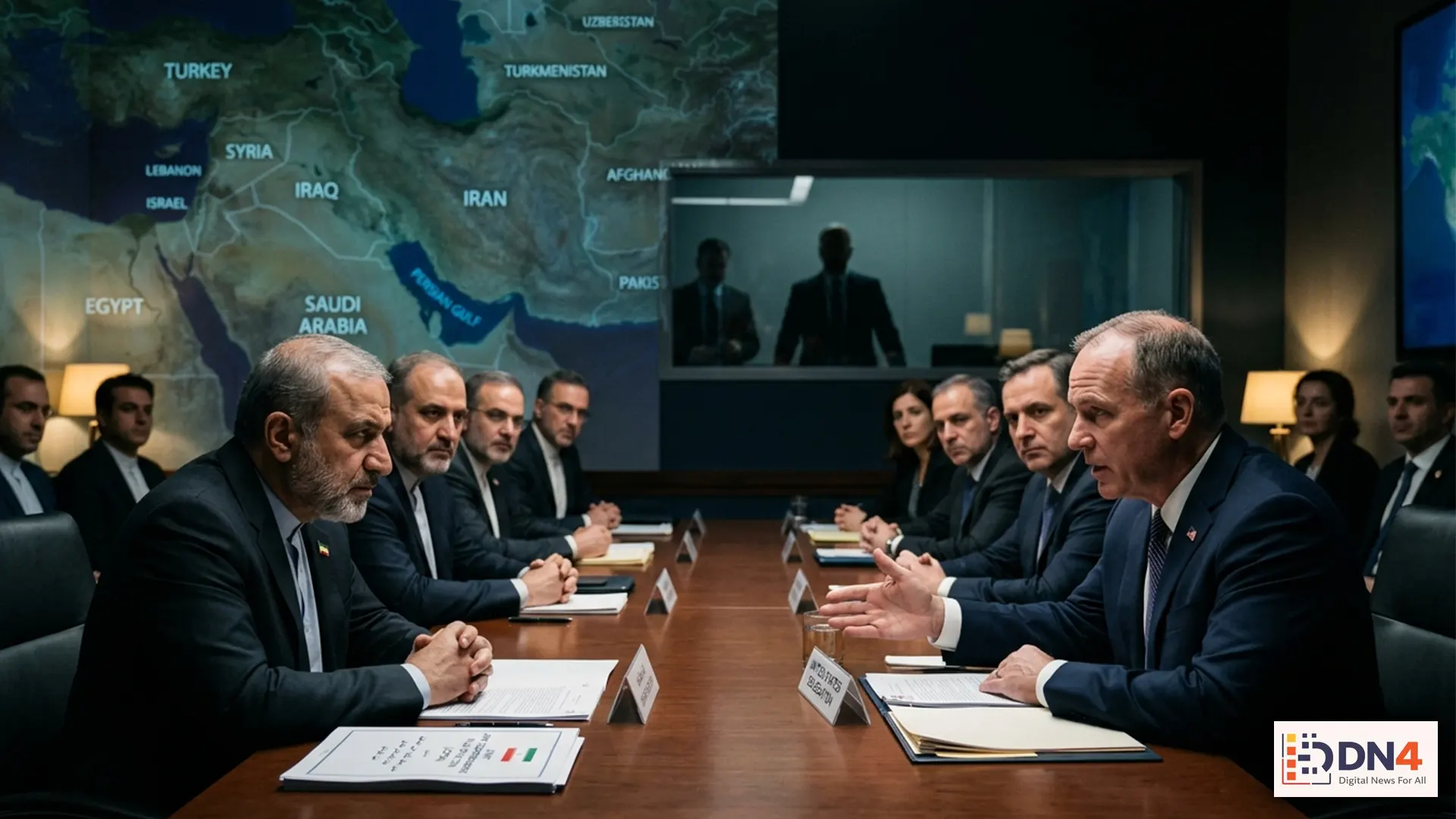
The ongoing tensions between Iran and the United States continue to shape the geopolitical future of the Middle East. After years of sanctions, military threats, and proxy conflicts, recent diplomatic signals have raised hopes for a possible truce. However, analysts warn that deep-rooted mistrust and regional rivalries could still trigger instability.
The latest developments surrounding the US State Department and Iran’s foreign ministry indicate renewed backchannel diplomacy aimed at reducing military escalation. These efforts are linked closely to discussions around the Iran nuclear program, which remains one of the most contentious global security issues.
Why the Iran-US Conflict Matters Globally
The Iran-US rivalry affects far more than regional politics. Rising tensions often impact global oil markets, international shipping routes, and broader economic stability. Energy analysts have warned that any military escalation in the Gulf could send crude oil prices sharply higher.
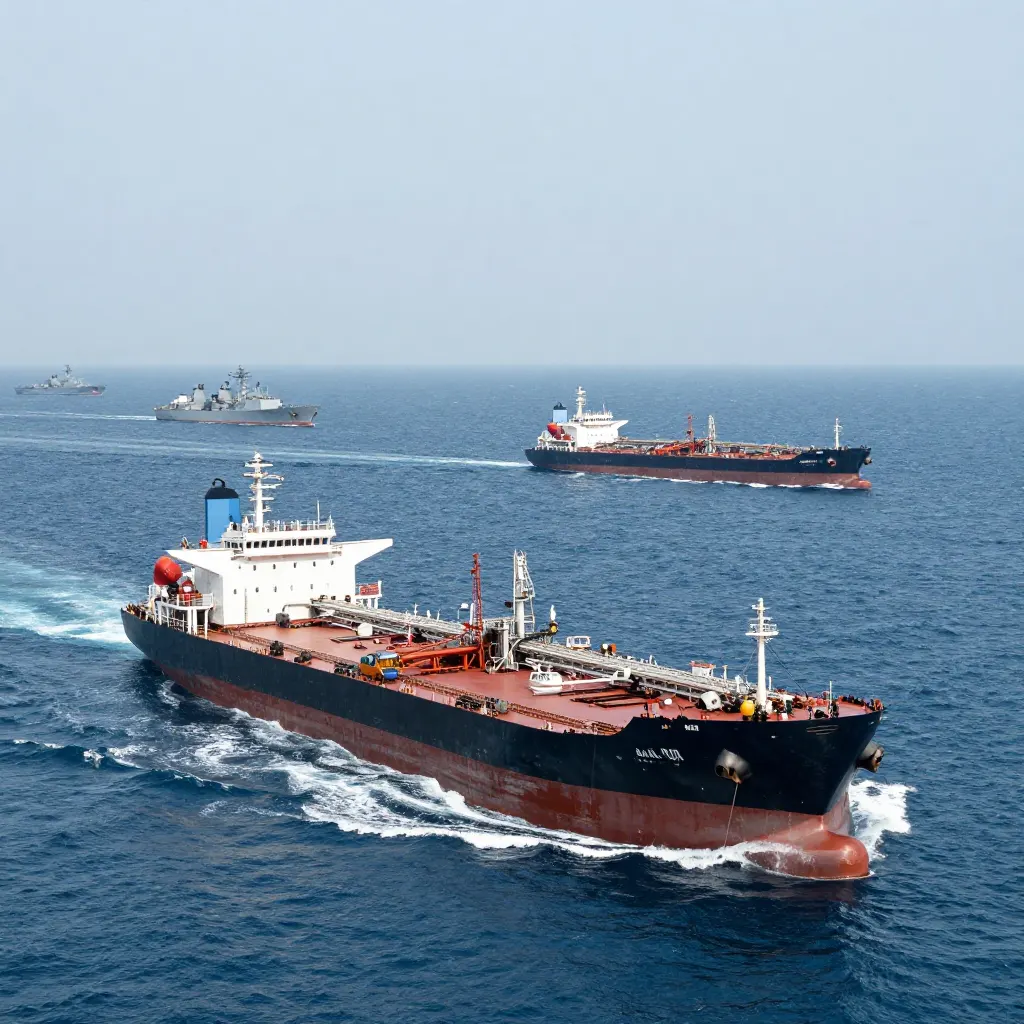
At the same time, global powers including the United Nations and European nations continue pushing for diplomatic negotiations to prevent another major conflict in the Middle East.
Can Diplomacy Succeed This Time?
Recent reports suggest both sides are exploring indirect negotiations to avoid further confrontation. The Biden administration has emphasized regional stability while Iran seeks relief from economic sanctions that have heavily impacted its economy.
Security experts from organizations such as the Council on Foreign Relations believe diplomacy may only succeed if broader regional concerns are addressed, including proxy conflicts in Syria, Iraq, and Yemen.
Meanwhile, Gulf nations are increasingly investing in strategic alliances and defense systems to prepare for any unexpected escalation. According to analysis from the Brookings Institution, regional diplomacy will require long-term confidence-building measures rather than temporary ceasefires.
The Economic and Political Stakes
A stable diplomatic agreement could improve global investor confidence and reduce pressure on energy markets. However, failure in negotiations could intensify sanctions, cyber conflicts, and regional proxy wars.
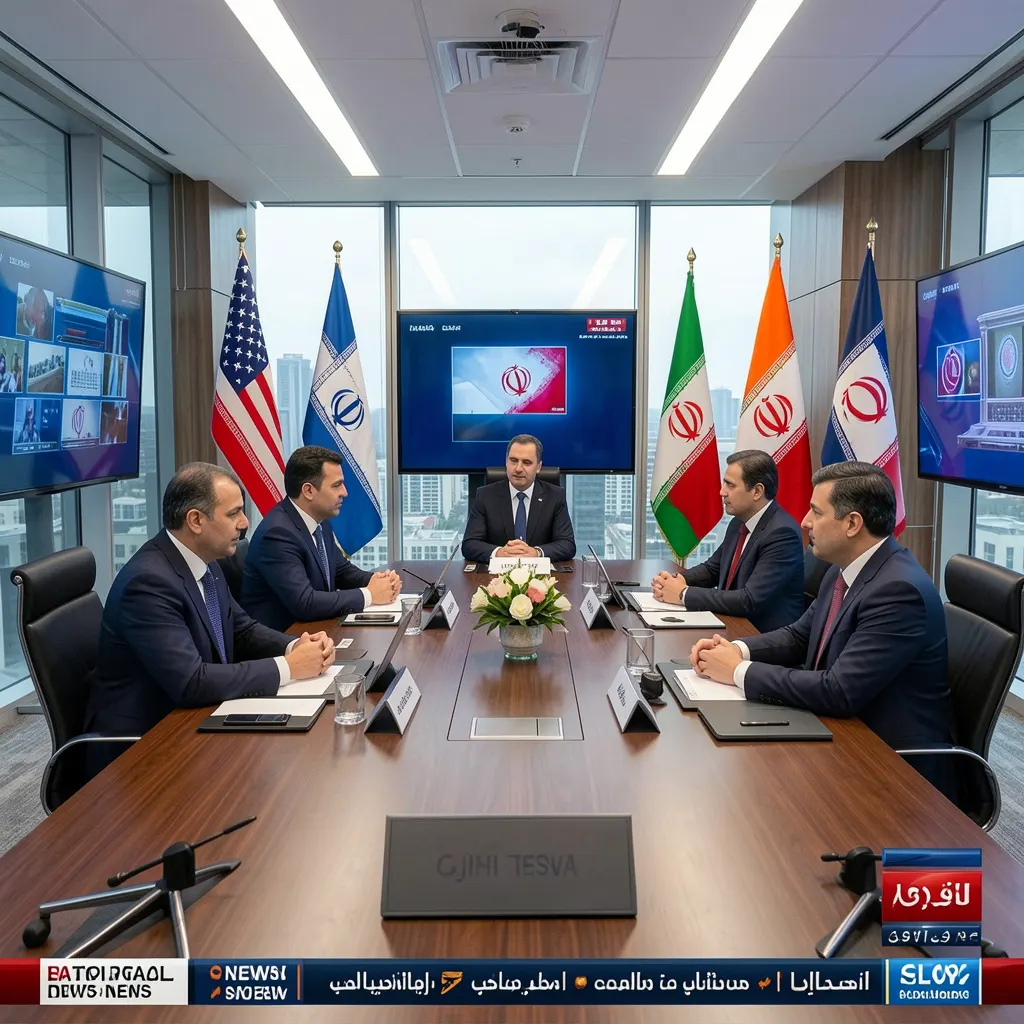
For ordinary citizens across the Middle East, the stakes remain extremely high. Peace efforts could improve economic opportunities and regional cooperation, while renewed conflict would likely deepen humanitarian and economic challenges.
The Iran-US standoff remains one of the world’s most critical geopolitical flashpoints. While diplomacy offers a path toward de-escalation, lasting peace will depend on mutual trust, regional cooperation, and sustained international engagement.
#IranUSConflict #MiddleEast #Geopolitics #NuclearTalks #WorldNews #OilMarkets #GlobalSecurity #USIran #Diplomacy