

 By Vinod Ram
The future of banking is becoming increasingly automated, intelligent, and personalized. Across the financial industry, a new generation of AI-native banking platforms is emerging — using artificial intelligence to manage spending, savings, investing, fraud detection, and even financial advice.
But as algorithms gain greater control over personal finances, many consumers are asking an important question: Can AI safely manage your money?
From digital-only banks to AI-powered budgeting assistants, the financial world is rapidly evolving beyond traditional banking systems.
What Is AI-Native Banking?
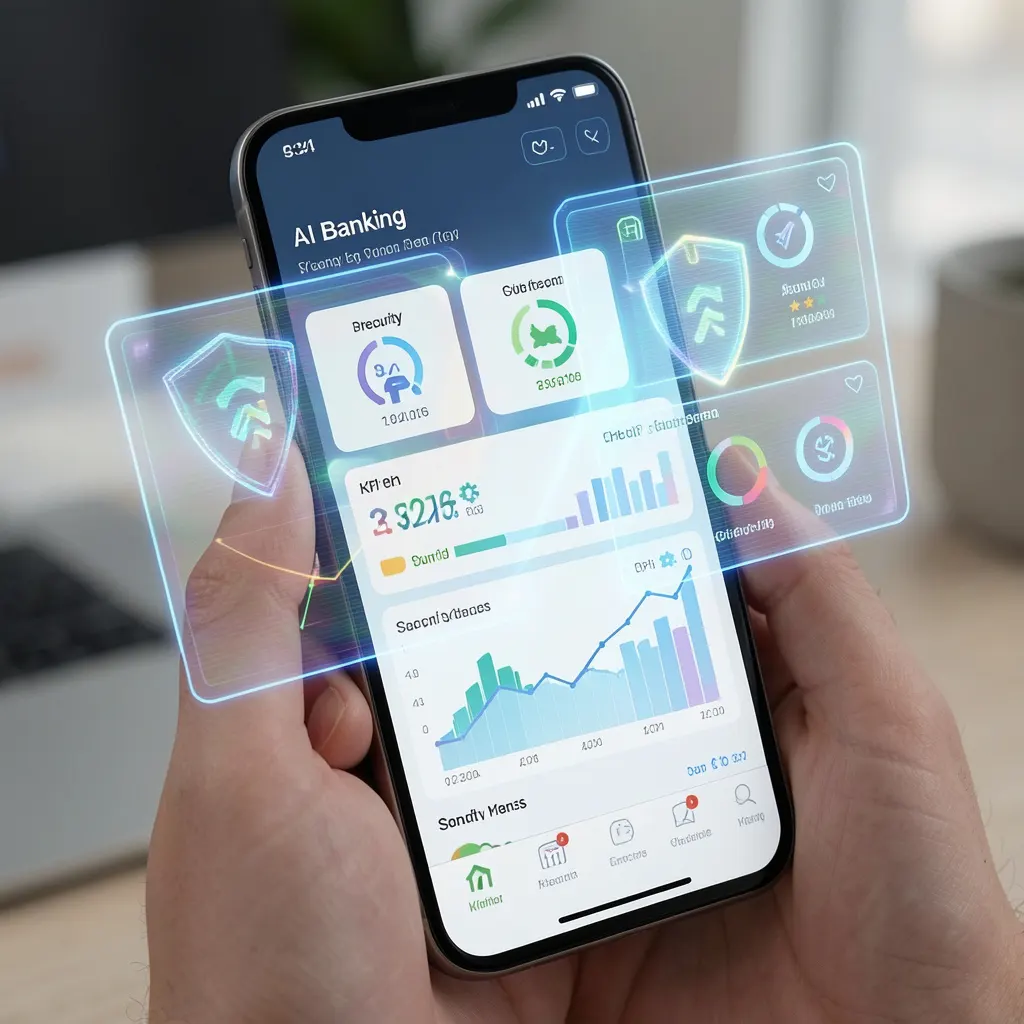
AI-native banking refers to financial platforms built primarily around artificial intelligence technologies rather than traditional banking infrastructure. These systems use machine learning, predictive analytics, and automation to improve customer experiences and financial decision-making.
Companies such as Nubank, Revolut, and AI-focused fintech startups are already integrating intelligent automation into daily banking services.
AI-driven banking systems can help users:
- Track spending patterns
- Detect suspicious transactions
- Automate savings goals
- Optimize investment strategies
- Receive personalized financial recommendations
Why Banks Are Investing Heavily in AI
Traditional banks and fintech firms are investing billions into artificial intelligence to improve operational efficiency and customer engagement.
According to research from Accenture, AI could significantly reduce banking operational costs while improving fraud prevention and customer support services.

Financial institutions are increasingly using AI for:
- Credit scoring and loan approvals
- Real-time fraud monitoring
- Customer service chatbots
- Risk assessment models
- Automated wealth management
The Security Debate Around AI Banking
While AI-powered systems promise speed and efficiency, cybersecurity experts warn that algorithmic banking also introduces new risks.
Hackers are becoming more sophisticated, and AI systems themselves may become targets for cyberattacks or data manipulation attempts.
The IBM Security division has highlighted growing concerns around AI-driven financial fraud and identity theft.
Privacy advocates also worry about how much personal financial data AI banking systems collect and analyze.
Can Algorithms Really Replace Human Advisors?
AI-powered financial tools are already competing with traditional financial advisors in areas such as budgeting, investing, and retirement planning.
Robo-advisors from companies like Betterment and Wealthfront have gained popularity among younger investors seeking low-cost automated financial management.
However, many experts believe human oversight remains essential for complex financial decisions, especially during economic uncertainty or market volatility.
The Benefits of AI-Native Banking
Supporters argue AI-native banking could make financial services more accessible and efficient for millions of consumers worldwide.
Potential benefits include:
- 24/7 financial support
- Faster fraud detection
- Lower banking fees
- Smarter financial planning
- Highly personalized money management
Analysts at Gartner predict AI will become one of the most important technologies shaping the future of banking over the next decade.
What Consumers Should Watch For
Before fully trusting AI to manage finances, consumers should carefully evaluate:
- Data privacy policies
- Cybersecurity protections
- Transparency of AI recommendations
- Regulatory oversight
- Human customer support availability
Financial experts recommend balancing the convenience of automation with careful monitoring of accounts and financial activity.
AI-native banking could dramatically transform how people manage money in the coming years. Intelligent algorithms may improve efficiency, reduce costs, and personalize financial services like never before.
However, as artificial intelligence takes on greater responsibility in personal finance, security, transparency, and human oversight will remain critical concerns.
The future of banking may be powered by AI — but trust will still be the industry’s most valuable currency.
#AIBanking #Fintech #ArtificialIntelligence #DigitalBanking #CyberSecurity #FutureOfFinance #MoneyManagement #FintechNews