

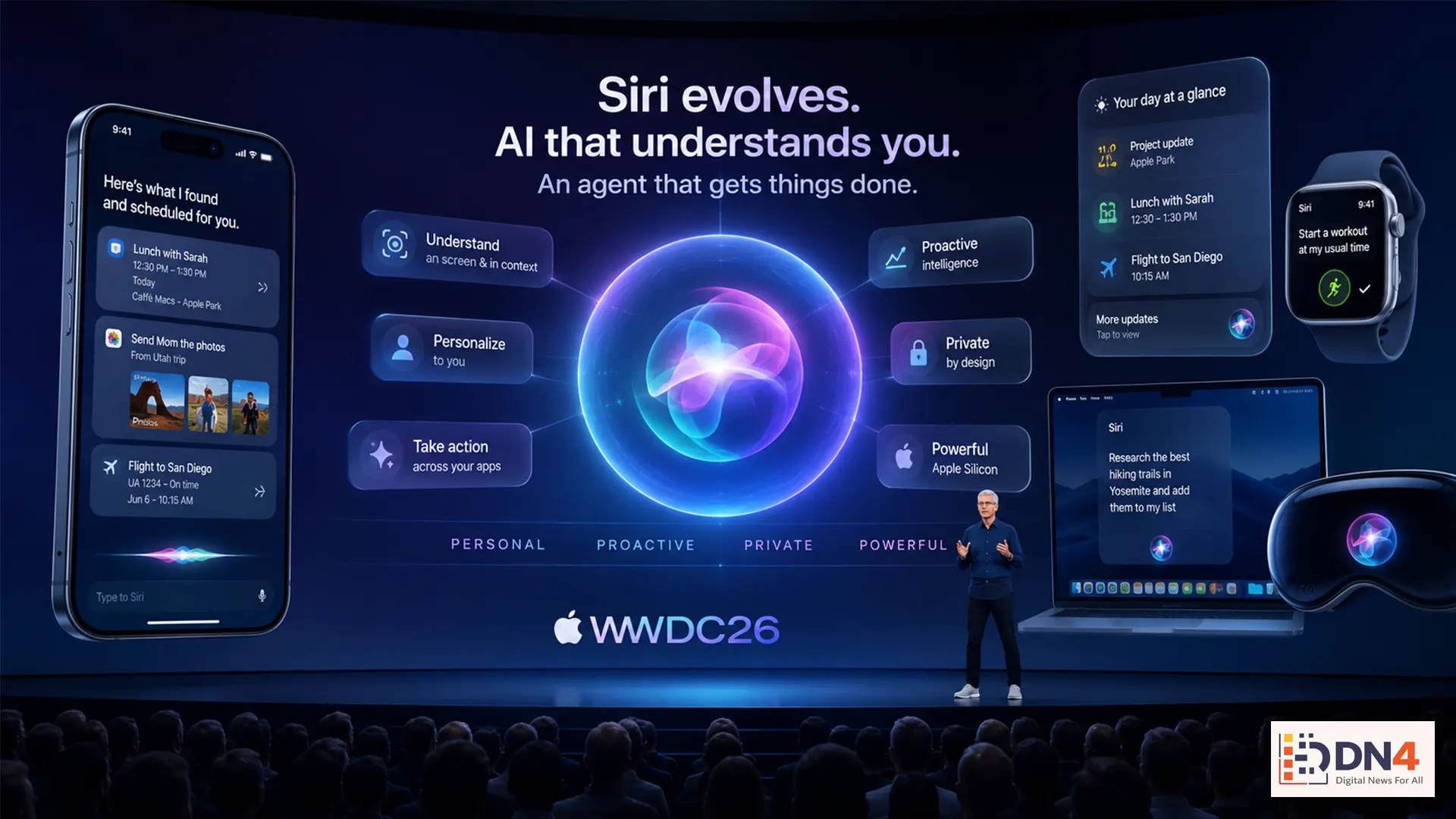
For more than a decade, Siri has been one of Apple’s most recognizable software features. Introduced as a groundbreaking voice assistant, Siri helped popularize hands-free smartphone interactions and inspired a new generation of digital assistants across the technology industry. Yet despite its early success, Siri has often been criticized for lagging behind competitors in conversational intelligence and task automation.
At WWDC 2026, Apple appears poised to move beyond the traditional voice assistant model entirely. Industry analysts believe the company is entering a new era—one defined not by simple voice commands, but by intelligent AI agents capable of understanding context, managing tasks, and proactively assisting users across Apple’s ecosystem.
The End of the Traditional Voice Assistant
For years, digital assistants primarily operated through direct commands. Users asked questions, requested reminders, checked the weather, or performed basic smartphone functions.
While these capabilities were revolutionary when Siri first launched, modern artificial intelligence systems have dramatically expanded expectations. Today’s users increasingly expect AI to understand intent, maintain context, and complete multi-step actions without requiring constant guidance.
According to Apple, the company’s ongoing AI initiatives focus on making technology more personal, useful, and seamlessly integrated into daily life.
What Is an AI Agent?
An AI agent goes beyond responding to individual requests. Instead of acting as a passive assistant, it can actively perform tasks, coordinate information, and make intelligent recommendations based on user preferences and context.

For example, an AI agent could help organize travel plans, manage schedules across multiple applications, summarize important communications, or coordinate tasks between devices with minimal user intervention.
This represents a significant shift from the traditional voice assistant model that has defined consumer AI for much of the past decade.
Why WWDC 2026 Could Be a Turning Point
Recent advances in generative AI have accelerated competition among major technology companies. Organizations including OpenAI, Google, and Microsoft have invested heavily in AI systems capable of more sophisticated reasoning and task execution.
As consumer expectations evolve, Apple faces increasing pressure to demonstrate how its AI strategy differs from competing platforms.
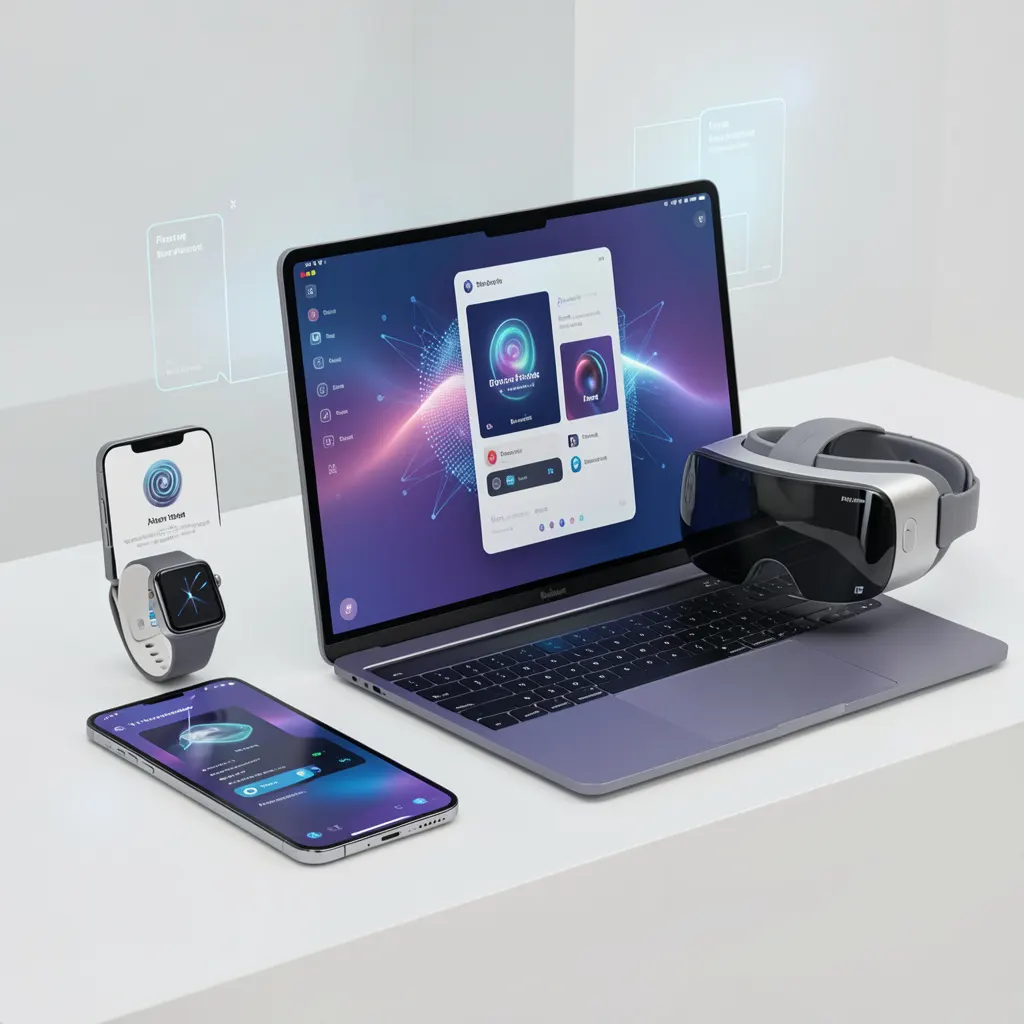
Many analysts expect WWDC 2026 to showcase deeper integration of AI throughout Apple’s ecosystem, including the iPhone, iPad, Mac, Apple Watch, and Vision Pro.
The Role of Apple Intelligence
Apple Intelligence has already signaled the company’s intention to bring advanced AI capabilities directly into its devices. Unlike many cloud-dependent systems, Apple’s approach emphasizes privacy, on-device processing, and tight integration with existing applications.
The company’s focus on privacy remains a key differentiator. Information from the National Institute of Standards and Technology (NIST) highlights growing consumer concerns around data security and AI governance.
Apple’s strategy aims to balance powerful AI functionality with strong privacy protections.
How the New Siri Could Change Daily Life
If Apple successfully transforms Siri into a true AI agent, users may experience a fundamentally different relationship with their devices.
Instead of manually navigating apps and settings, users could delegate increasingly complex tasks. The AI might coordinate meetings, summarize emails, recommend actions based on priorities, and automate routine workflows across multiple devices.
Such capabilities could significantly improve productivity while reducing digital friction.
Implications for the Future of the iPhone
For years, the smartphone industry has been driven primarily by hardware innovation. Faster processors, improved cameras, and larger displays have dominated product launches.
However, AI agents may become the next major platform shift. As software grows more intelligent, the value of devices may increasingly depend on how effectively they understand and assist users.
This evolution could transform the iPhone from a tool that users operate into a digital partner that actively helps accomplish goals.
Challenges Ahead
Despite the excitement surrounding AI agents, significant challenges remain. Reliability, privacy, transparency, and user trust will be critical factors in determining adoption.
Consumers expect AI systems to be accurate, secure, and predictable. Meeting those expectations consistently across millions of devices will require substantial technological advances.
Apple’s reputation for ecosystem integration may provide an advantage, but execution will ultimately determine success.
WWDC 2026 may be remembered as the moment Apple officially moved beyond the era of traditional voice assistants. If the company delivers on expectations, Siri could evolve from a simple command-based interface into a sophisticated AI agent capable of transforming how users interact with technology.
For Apple, the shift represents more than a software update—it signals a broader vision for the future of personal computing. And for users, it may mark the beginning of a world where devices no longer simply respond to commands but actively help manage everyday life.
#WWDC2026 #AppleAI #Siri #AIAgent #AppleIntelligence #ArtificialIntelligence #TechNews #Innovation #FutureOfAI