

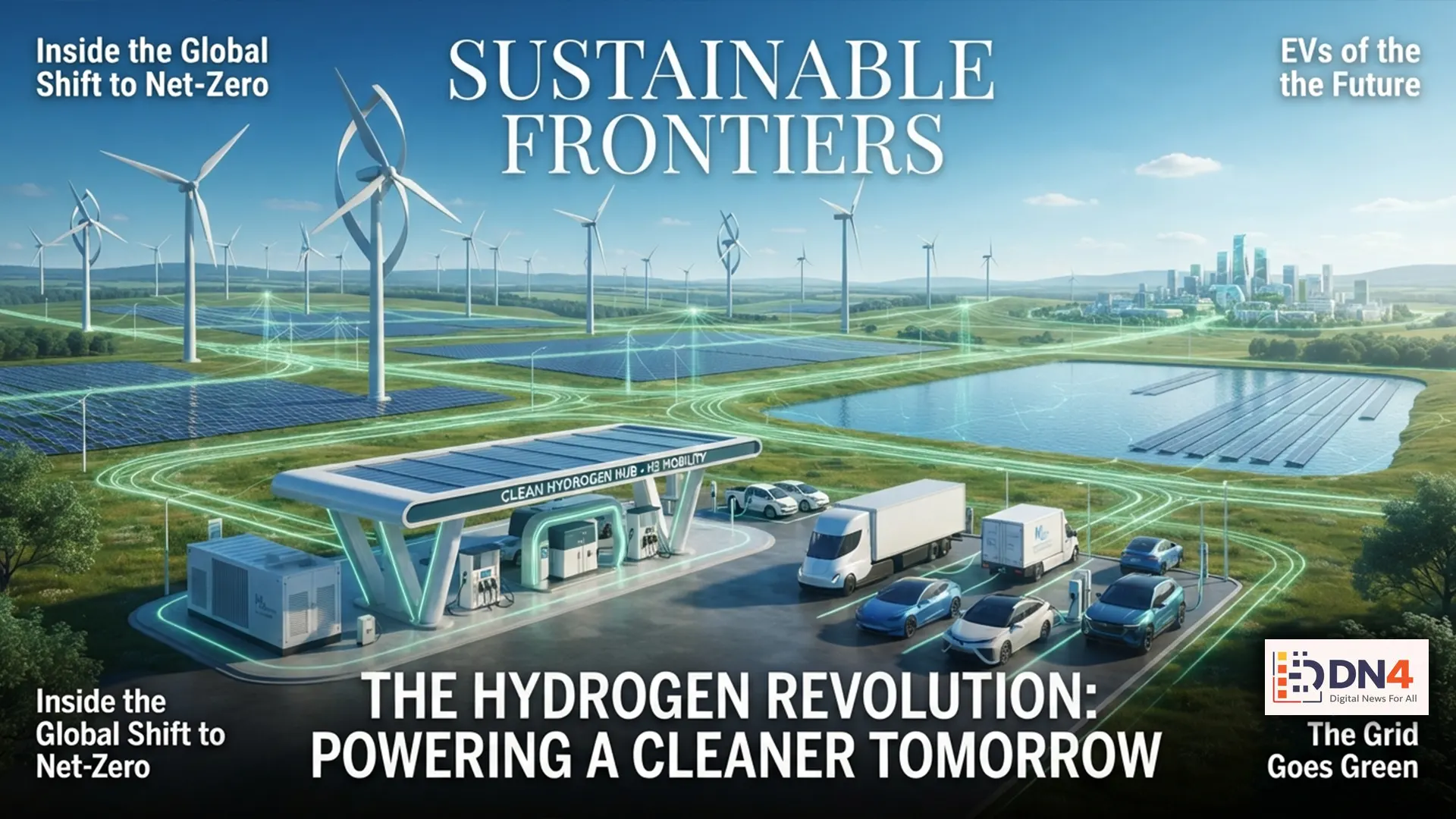
The race toward cleaner energy has introduced a new buzzword into global discussions: “Freedom Fuel.” Governments, energy companies, and environmental advocates increasingly use the phrase to describe cleaner, domestically produced energy that reduces dependence on imported fossil fuels. Although the name sounds futuristic, it does not refer to a single fuel. Instead, it represents several low-carbon energy solutions that support energy security and sustainability.
Experts believe the concept is gaining momentum because countries want reliable energy sources while reducing carbon emissions. According to the U.S. Department of Energy, expanding domestic clean energy production strengthens national energy security and supports long-term climate goals.
What Exactly Is Freedom Fuel?
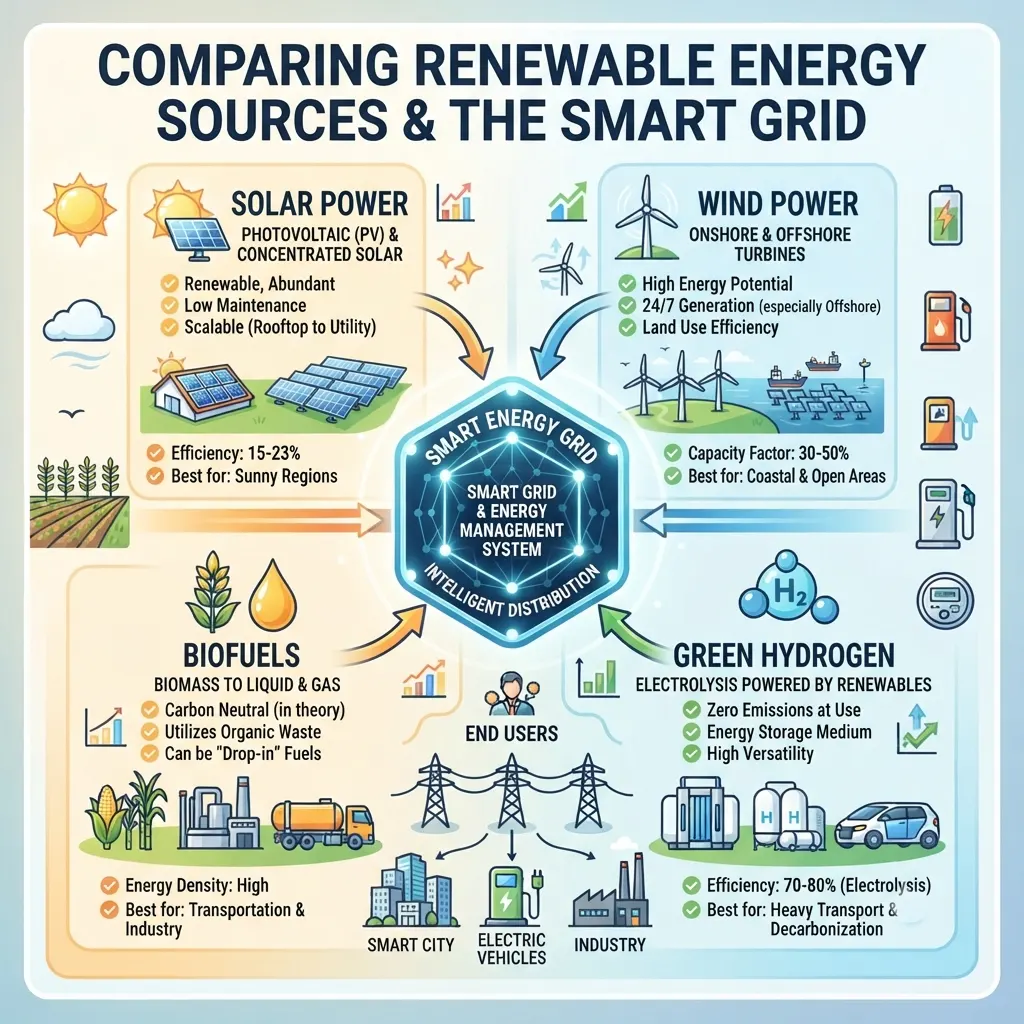
Freedom Fuel is a broad term used for renewable and low-emission energy sources that can reduce reliance on traditional fossil fuels. Depending on the industry or region, it may include green hydrogen, renewable natural gas, advanced biofuels, sustainable aviation fuel (SAF), and synthetic fuels produced using renewable electricity.
Unlike conventional fuels, these alternatives aim to lower greenhouse gas emissions while improving long-term energy resilience.
Why Is It Becoming So Popular?
Several factors have pushed Freedom Fuel into the spotlight. Rising fuel prices, geopolitical tensions, and stricter environmental regulations have encouraged countries to invest heavily in renewable technologies. Businesses also see opportunities to reduce operating costs and meet sustainability commitments.
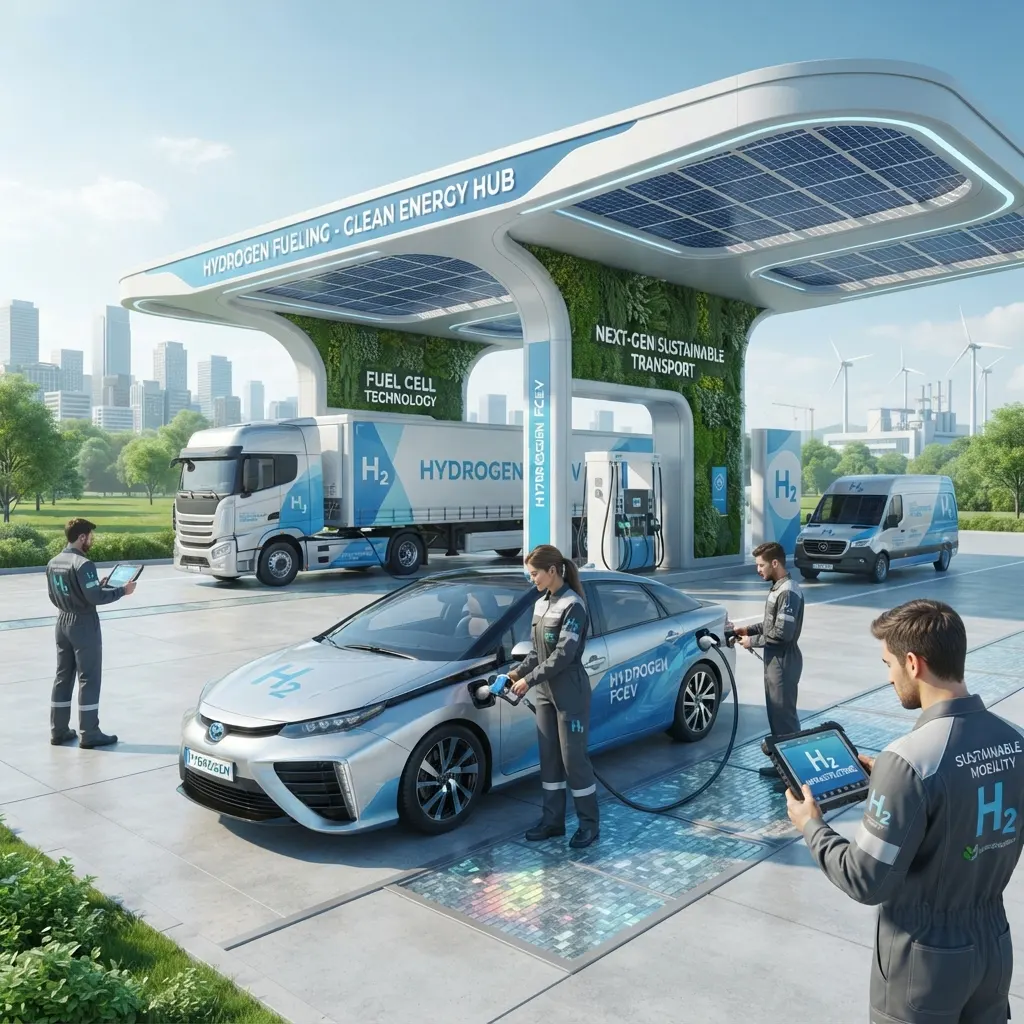
The International Energy Agency (IEA) reports that global investment in clean energy continues to grow, driven by increasing demand for reliable and environmentally friendly power sources.
Technologies Behind Freedom Fuel
Several emerging technologies are helping shape this movement.
- Green hydrogen produced using renewable electricity.
- Sustainable aviation fuel that lowers aircraft emissions.
- Advanced biofuels made from agricultural and organic waste.
- Renewable natural gas generated from landfills and wastewater facilities.
- Synthetic fuels created from captured carbon and renewable energy.
The International Renewable Energy Agency (IRENA) believes these technologies will play an important role in achieving global net-zero emission targets.
Can Freedom Fuel Replace Fossil Fuels?
Most energy experts say no single technology will replace fossil fuels overnight. Instead, countries will likely rely on a combination of renewable electricity, battery storage, hydrogen, biofuels, and improved energy efficiency. This balanced approach helps ensure stable energy supplies while reducing environmental impact.
Research from the National Renewable Energy Laboratory (NREL) supports using multiple clean-energy solutions instead of depending on one alternative fuel.
What Does It Mean for Consumers?
Consumers may notice more electric vehicles, hydrogen-powered transportation, cleaner aviation fuels, and renewable energy projects over the next decade. These innovations could improve energy reliability while reducing emissions and supporting local economies.
Many companies are also investing in cleaner manufacturing processes, creating new jobs and encouraging technological innovation across the energy sector.
Freedom Fuel is more than a trending phrase. It represents the global shift toward cleaner, more secure, and sustainable energy systems. While challenges remain, continued investment in hydrogen, biofuels, renewable natural gas, and other low-carbon technologies could transform how the world produces and consumes energy. As governments and businesses accelerate the transition, Freedom Fuel may become a key part of the next generation of global energy solutions.
#FreedomFuel #CleanEnergy #RenewableEnergy #GreenHydrogen #Sustainability #EnergyTransition #ClimateTech #EnergyInnovation