

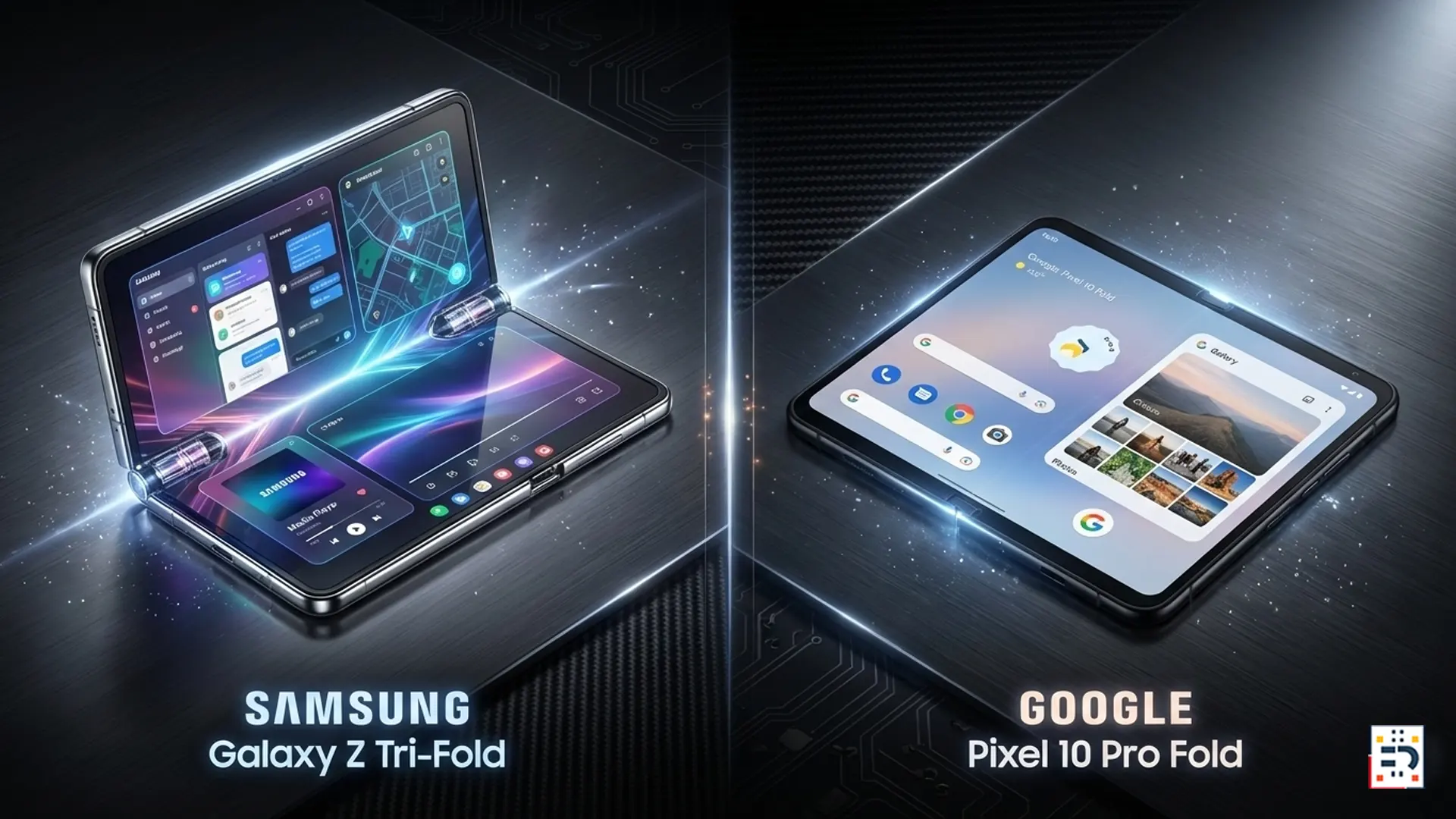
The foldable smartphone market is heating up. Samsung’s Galaxy Z tri-fold and Google’s Pixel 10 Pro Fold are competing head-to-head, each claiming to define the future of mobile tech. From design and performance to software integration, here’s how the two giants stack up in the tri-fold era.
Design & Build: Tri-Fold Innovation
Samsung’s Galaxy Z tri-fold impresses with a sleek hinge mechanism, ultra-thin AMOLED panels, and premium metallic construction. Meanwhile, Google’s Pixel 10 Pro Fold offers a minimalist aesthetic and software-first foldable experience with adaptive OLED displays.
Both devices prioritize durability, but Samsung’s advanced hinge and water-resistant build give it a slight edge for long-term use.
Display & Multitasking
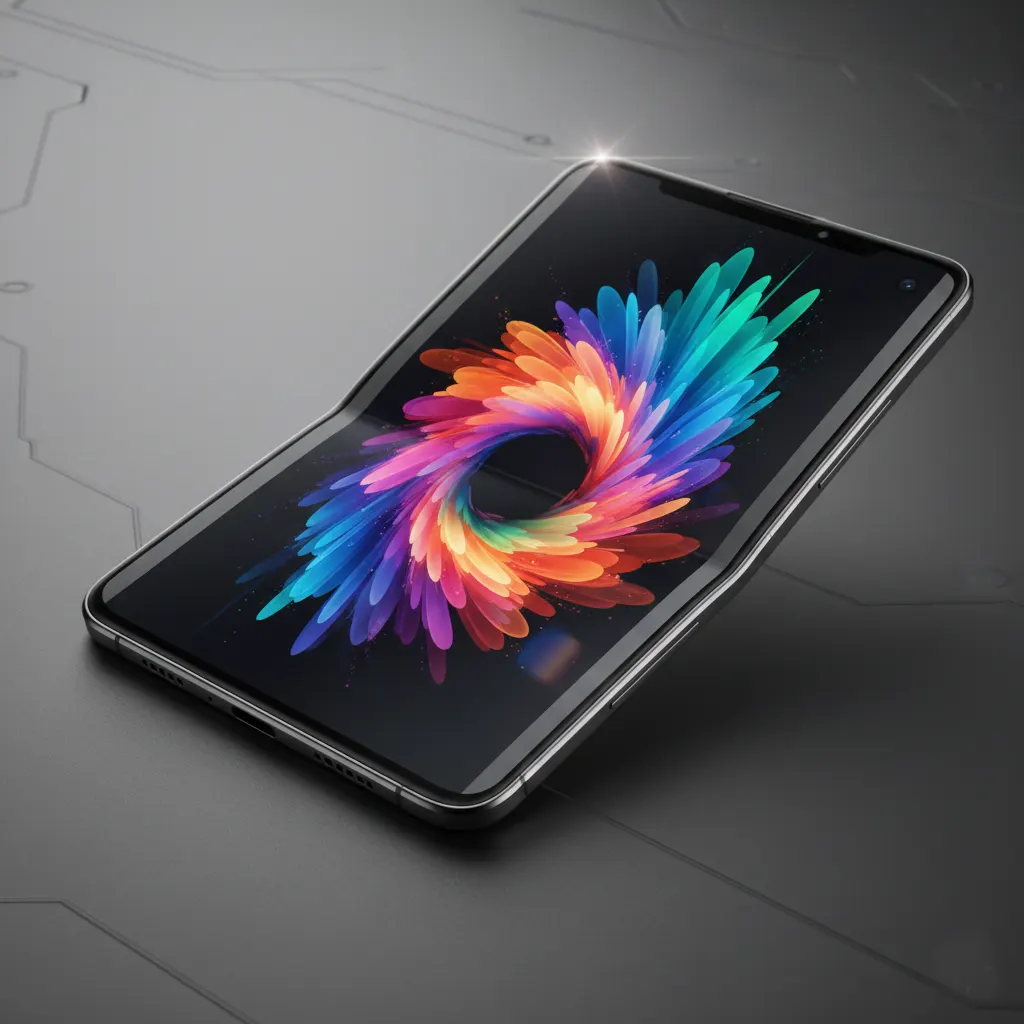
Samsung and Google take different approaches to foldable displays. The Galaxy Z tri-fold features a vivid 7.6-inch AMOLED panel with ultra-smooth 120Hz refresh, perfect for gaming and content creation. Google’s Pixel 10 Pro Fold emphasizes adaptive software for split-screen productivity, leveraging Android’s multitasking enhancements.
For content lovers, Samsung’s screen may win in brightness and vibrancy, while Google’s foldable excels in workflow optimization.

Performance & Software
Under the hood, the Galaxy Z tri-fold packs a high-end chipset with optimized Android overlays from Samsung’s One UI, while the Pixel 10 Pro Fold runs Google’s pure Android 14 experience, boasting AI-driven multitasking and foldable-aware apps.
Samsung may lead in raw gaming performance, while Google focuses on adaptive AI, predictive app behavior, and streamlined foldable UX.
Camera & Imaging
Samsung’s tri-fold uses a triple-lens system optimized for photography in both unfolded and folded modes. The Pixel 10 Pro Fold leverages Google’s computational photography, delivering impressive night, portrait, and AI-enhanced shots.
Photography enthusiasts may prefer Google’s software-driven image quality, whereas Samsung offers versatility with hardware flexibility.
Battery & Charging
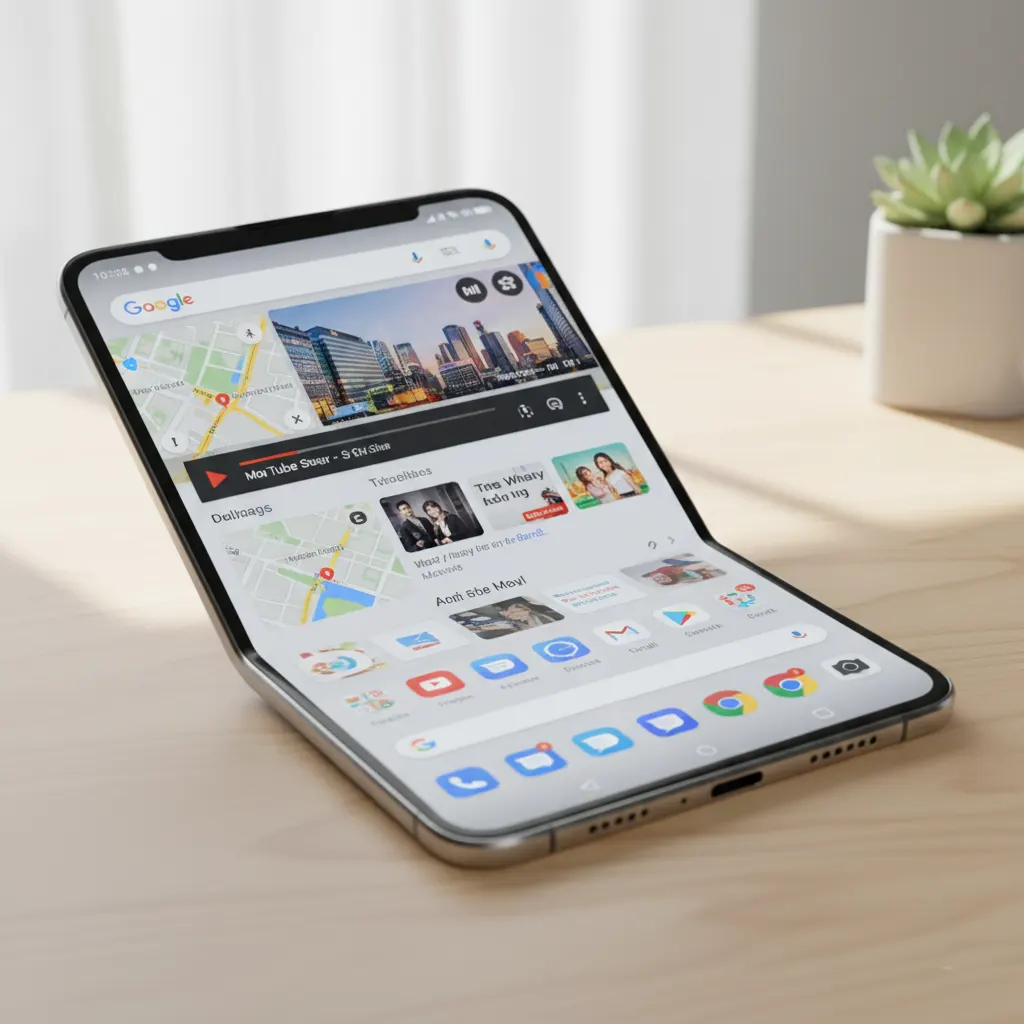
Samsung’s Galaxy Z tri-fold features a large-capacity battery optimized for multi-screen usage, while Google’s Pixel 10 Pro Fold offers adaptive battery management and fast charging. Both devices support wireless and reverse wireless charging, ensuring flexibility for mobile lifestyles.
Price & Availability
Samsung’s Galaxy Z tri-fold is available through major carriers and online, starting at a premium tier, while the Pixel 10 Pro Fold targets a similar price range with incentives for ecosystem integration. Official pricing and availability details can be found on Samsung’s site and Google Store.
The tri-fold market is nascent but growing. Samsung offers hardware-focused innovation and a premium display, while Google focuses on AI-driven multitasking and foldable software optimization. Your choice depends on whether you prioritize display and build or software and productivity.
For tech enthusiasts, this is just the beginning of the foldable era—an exciting competition between Samsung and Google that will define mobile computing for years to come.
#TriFold #FoldablePhones #SamsungGalaxyZ #Pixel10ProFold #SmartphoneWars #TechNews