

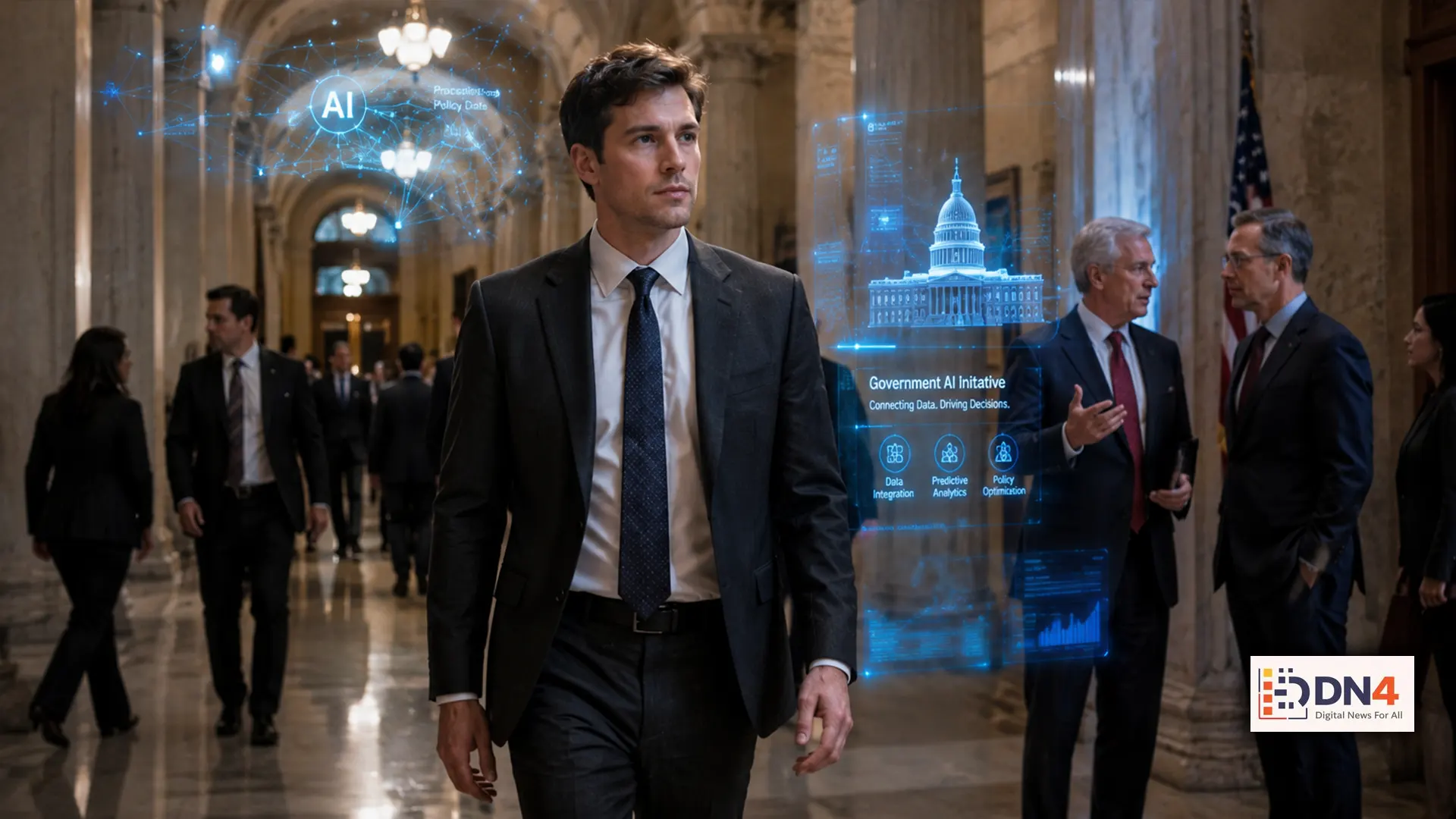
Artificial intelligence is rapidly transforming how people work, communicate, and access information—and the conversations shaping its future are increasingly happening behind closed doors. Recent meetings between OpenAI CEO Sam Altman and U.S. lawmakers have reignited discussions about AI regulation, innovation, and public safety, leaving many wondering what these high-level talks could mean for everyday users.
As governments around the world race to understand the opportunities and risks of generative AI, technology leaders are playing an active role in policy discussions. Official updates on AI initiatives and emerging regulations are available through the White House, while legislative developments can be tracked on Congress.gov. Information about AI research and products is also published by OpenAI.
Why Are AI Leaders Meeting with Lawmakers?
Artificial intelligence is advancing faster than many existing laws were designed to handle. Policymakers are seeking input from industry leaders on topics including AI safety, transparency, intellectual property, cybersecurity, and economic competitiveness. These discussions aim to balance innovation with safeguards that protect consumers and businesses.
While many of the meetings remain private, officials have emphasized the importance of developing policies that encourage responsible AI development without slowing technological progress. Research organizations such as the National Institute of Standards and Technology (NIST) continue developing AI risk management frameworks to guide both government and industry.

How Could New AI Rules Affect Everyday Users?
Future AI regulations could influence how chatbots operate, how companies handle personal data, and how AI-generated content is identified online. Users may see stronger transparency requirements, improved privacy protections, and clearer disclosures when interacting with AI-powered tools.
Businesses could also face new standards for testing advanced AI systems before public release. Consumer protection agencies, including the Federal Trade Commission (FTC), have increasingly emphasized accountability when companies deploy emerging technologies.
The Balance Between Innovation and Regulation
Technology executives argue that thoughtful regulation can help build public trust while allowing innovation to continue. Excessive restrictions, however, could slow research, reduce global competitiveness, and make it more difficult for startups to compete with larger companies.
At the same time, lawmakers are focused on preventing AI misuse. That includes areas like misinformation, cybercrime, election security, and fraud. Finding the right balance remains one of the biggest policy challenges facing governments worldwide.

Why This Matters Beyond Silicon Valley
Although these discussions involve policymakers and technology executives, their impact extends far beyond Washington and Silicon Valley. AI is already influencing education, healthcare, finance, software development, customer service, and creative industries. Decisions made today could shape how millions of people interact with AI-powered products in the coming years.
Governments continue consulting with technology leaders like Sam Altman. Users can expect ongoing debates over privacy, innovation, and responsible AI development. The policies that emerge from these discussions matter greatly. They may determine how AI becomes part of everyday life across the globe.
#SamAltman #ArtificialIntelligence #AI #OpenAI #TechPolicy #SiliconValley #Innovation