

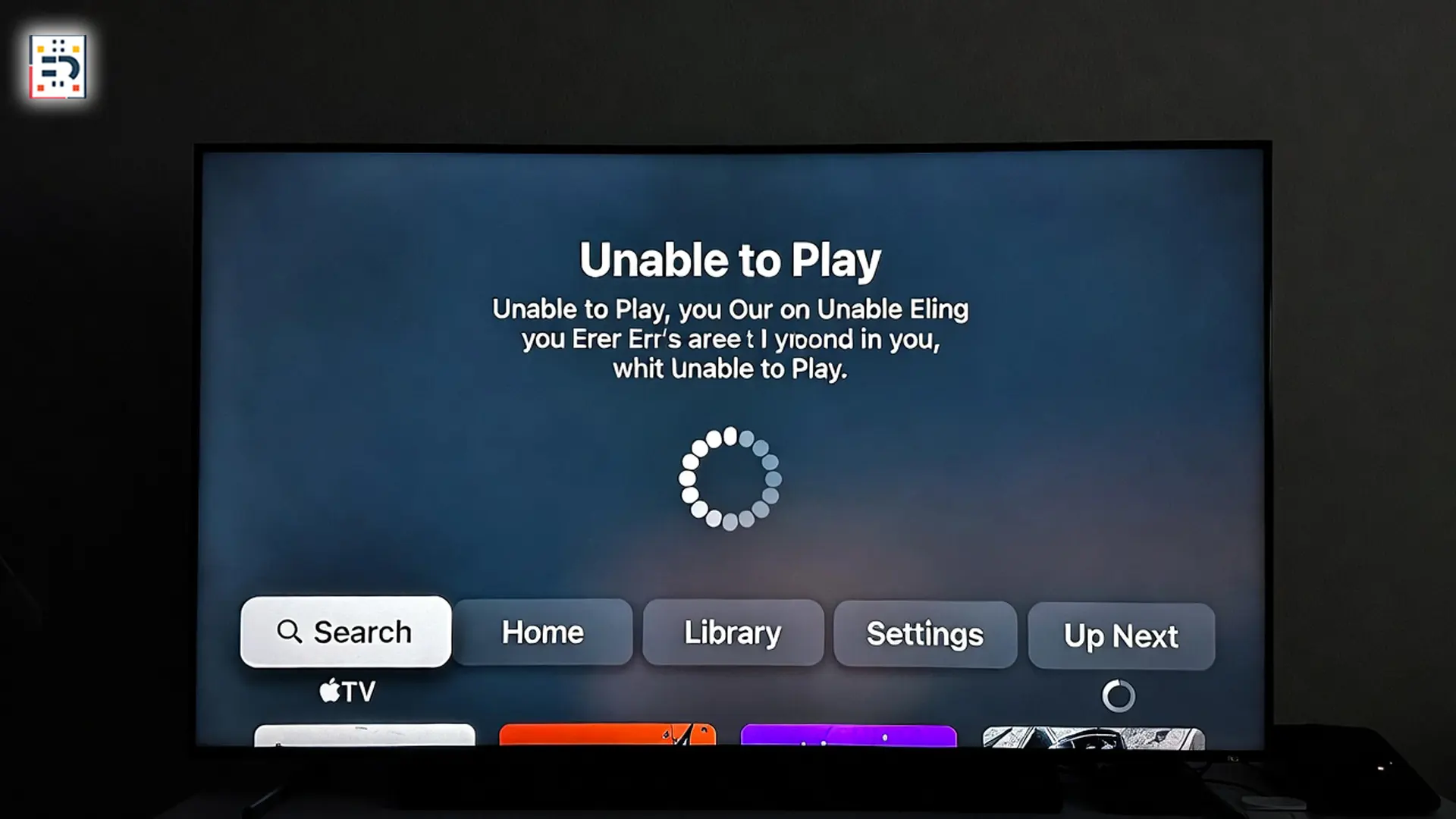
Millions of users across the United States woke up to the same frustrating message in January 2026: “Unable to Play.” Apple TV streams failed to load, downloads stalled, and even previously purchased content refused to play.
The unexpected Apple TV blackout quickly spread across social media, with users reporting outages on Apple TV+, the Apple TV app, and connected devices. What started as scattered complaints soon became a nationwide disruption.
When Did the Apple TV Blackout Begin?
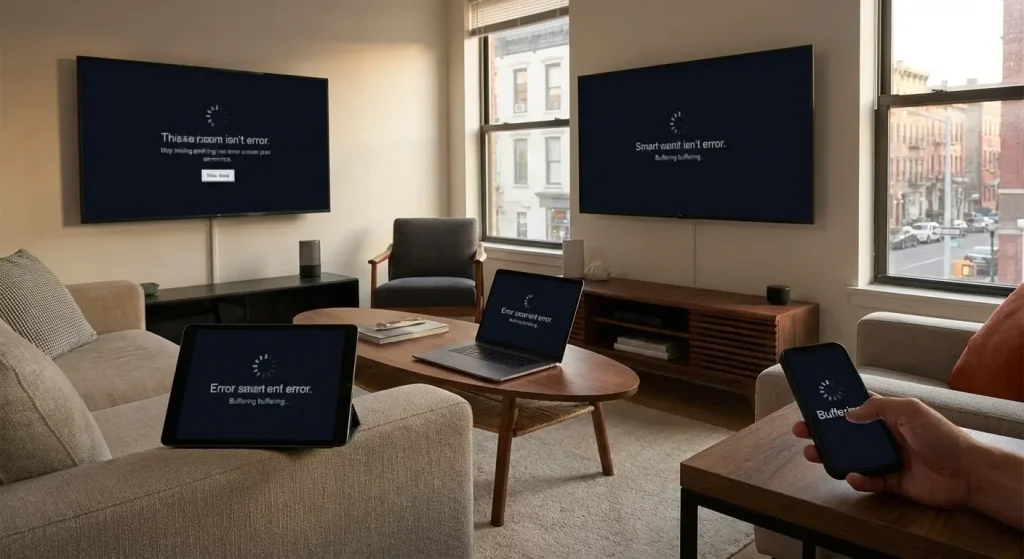
Reports began surfacing early in the morning as users attempted to stream content on Apple TVs, iPhones, iPads, and smart TVs. Many encountered playback errors, blank screens, or repeated loading loops.
Outage tracking platforms such as Downdetector showed a sharp spike in Apple TV-related complaints within hours.
What Services Were Affected?
The disruption did not appear limited to a single product. Users reported problems with:
- Apple TV+
- The Apple TV app
- Purchased movies and shows from the Apple ecosystem
- Streaming on third-party smart TVs and gaming consoles
Some users also claimed issues with related Apple services, raising concerns about a broader infrastructure failure.
Apple’s Initial Response
Apple did not immediately release a detailed public explanation. However, the company’s System Status page showed intermittent service disruptions during the outage window.
Customer support representatives acknowledged the issue and advised users to wait while engineers investigated. No evidence suggested a cyberattack or data breach at the time.
What Likely Caused the Blackout?
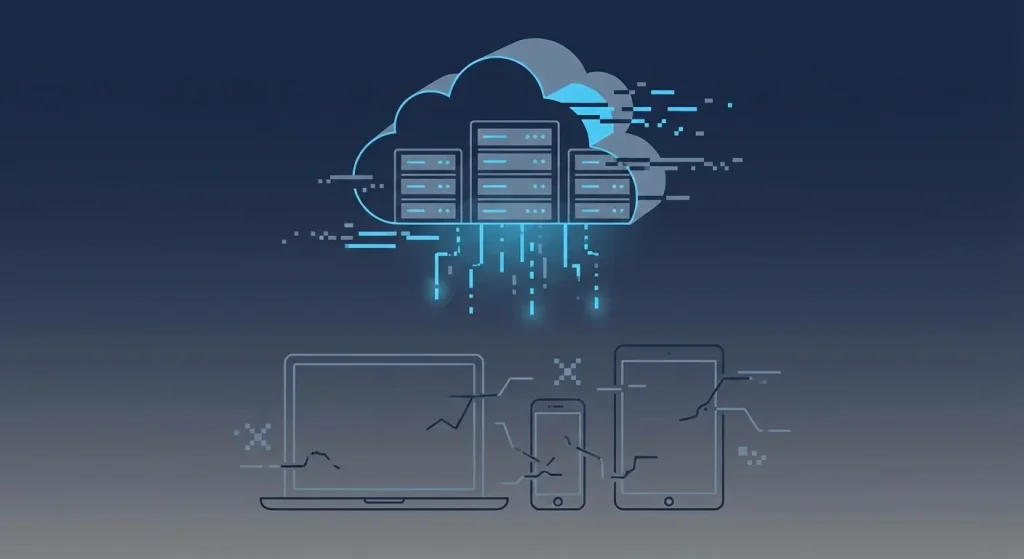
While Apple has not confirmed a single cause, industry analysts point to a potential backend failure. Large-scale streaming platforms rely on complex cloud infrastructure and content delivery networks.
Experts from firms like Cloudflare explain that even minor authentication or licensing errors can block playback across millions of devices instantly.
The widespread “Unable to Play” message suggests a system-level issue rather than individual device problems.
How Long Did the Outage Last?
For most users, service gradually returned within several hours. Playback resumed without requiring updates or manual fixes.
Some users, however, reported lingering issues into the following day, particularly with downloaded content.
Why This Blackout Mattered
The January 2026 Apple TV blackout highlighted how dependent modern entertainment has become on cloud services. Even paid and downloaded content often requires active verification.
Consumer advocacy groups have long raised concerns about digital ownership, a topic discussed by organizations like the Electronic Frontier Foundation .
How Apple TV Compares to Other Streaming Outages
Apple is not alone in facing large-scale streaming disruptions. Platforms such as Netflix and Disney+ have experienced similar outages in recent years.
What made this incident stand out was its impact on purchased content, not just subscription streams.
What Users Can Learn From the 2026 Apple TV Outage
The blackout serves as a reminder that digital convenience comes with trade-offs. Offline access and true ownership remain limited in modern streaming ecosystems.
As streaming platforms expand, reliability and transparency will continue to shape user trust.
The January 2026 Apple TV blackout did not last long, but it left a lasting impression. For many users, the “Unable to Play” message exposed the fragile nature of cloud-based entertainment.
Whether Apple introduces safeguards or clearer communication after this event remains to be seen.
#AppleTV #AppleOutage #StreamingIssues #TechNews #DigitalServices #AppleTVPlus