

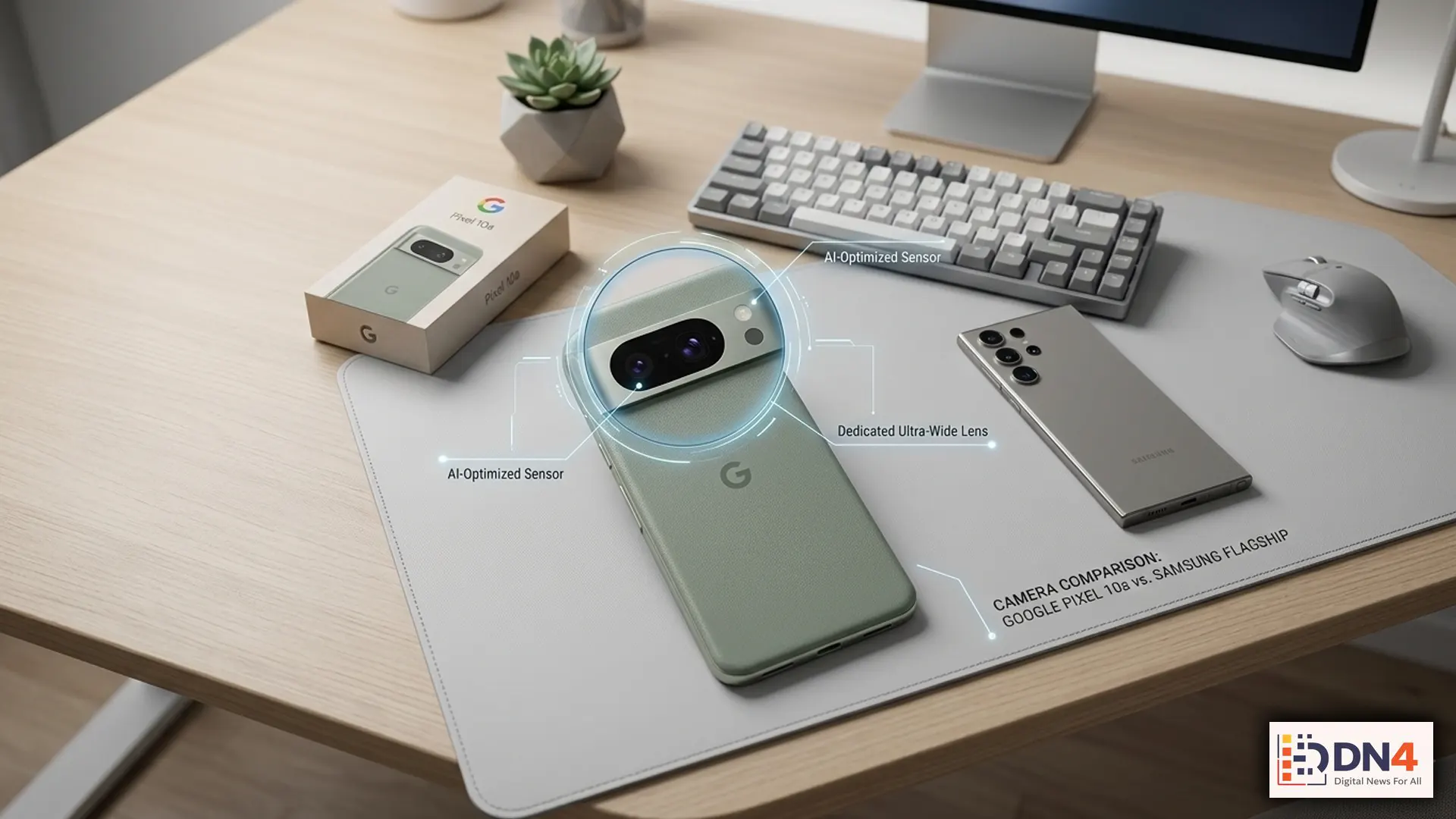
Google’s Pixel “a-series” phones have long been known for delivering flagship-level camera performance at a midrange price. With the release of the Google Pixel 10a, the company is once again pushing the boundaries of smartphone photography—this time powered by even more advanced AI-driven camera technology.
But with major competitors like Samsung Galaxy flagship phones continuing to dominate the premium smartphone market, the big question remains: Can a $499 phone really compete with a $1,000 flagship?
Pixel 10a Design and Build Quality
The Pixel 10a follows Google’s minimalist design philosophy. While it may not look as flashy as some flagship devices, the phone feels solid and practical for everyday use.
Google continues to refine the design language introduced in previous models like the Pixel 8, including the recognizable camera bar across the back of the device.
The phone features:
- Durable aluminum frame
- Compact and lightweight design
- Improved OLED display
- Optimized battery efficiency
At its price point, the build quality feels surprisingly premium.
The $499 AI Camera Explained
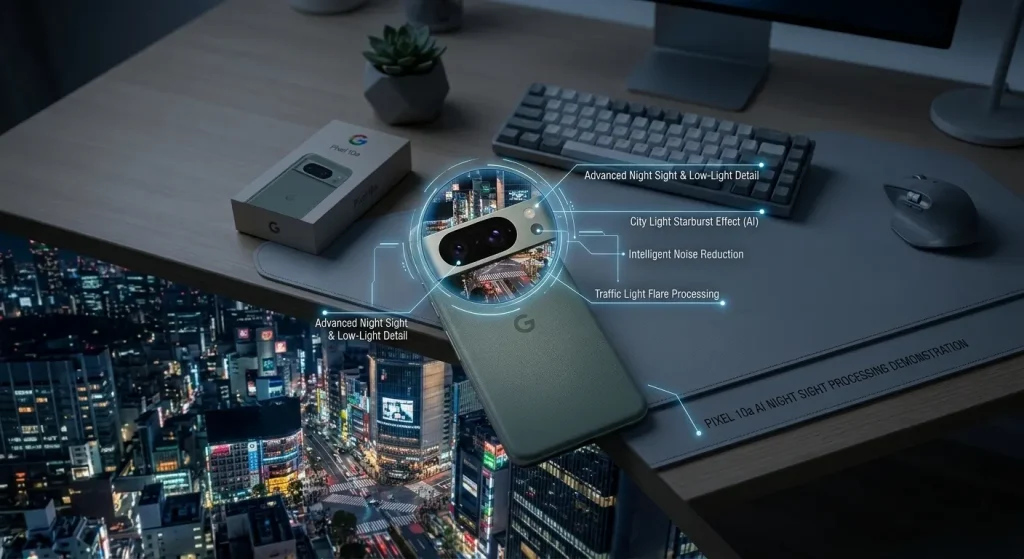
Where the Pixel 10a truly shines is its camera system. Google has spent years refining its computational photography, combining hardware with advanced software algorithms.
According to reports from The Verge, Google’s AI processing pipeline allows Pixel phones to produce exceptional results even with smaller sensors compared to flagship competitors.
Key AI-powered camera features include:
- Enhanced Night Sight for low-light photography
- AI-powered image sharpening
- Real-time HDR scene detection
- Advanced portrait segmentation
These features rely heavily on Google’s expertise in artificial intelligence, which continues to evolve across Android devices and services documented by Google AI research.
Camera Comparison: Pixel 10a vs Samsung Flagships
Samsung’s premium phones—especially the Galaxy S series— are known for powerful hardware and versatile camera systems.
However, Google takes a different approach: instead of relying solely on larger sensors or multiple lenses, the Pixel uses sophisticated AI processing to enhance images.
In real-world testing:
- Pixel 10a often produces more natural colors
- Night photos benefit from Google’s advanced processing
- Samsung devices provide more zoom flexibility
- Pixel excels at quick point-and-shoot photography
Experts at CNET Mobile Reviews note that Pixel devices consistently rank among the best smartphone cameras despite their lower price.
Performance and AI Integration
Beyond photography, the Pixel 10a benefits from Google’s deep integration with the Android ecosystem.
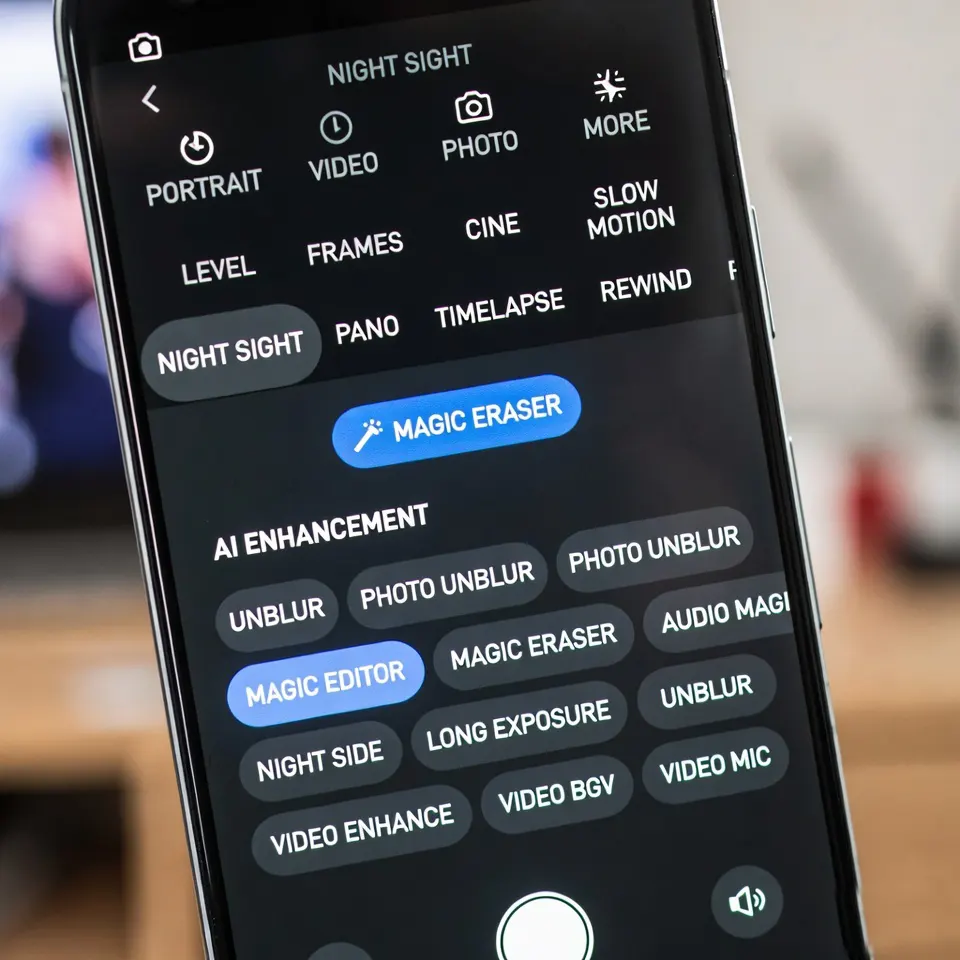
Running the latest version of Android, the device includes several AI-powered features such as voice transcription, smart photo editing, and contextual suggestions.
These capabilities highlight Google’s broader strategy: using artificial intelligence to create smarter and more helpful smartphone experiences.
Is the Pixel 10a Worth It?
For users who prioritize photography and value, the Pixel 10a stands out as one of the most compelling smartphones in its price category.
While Samsung’s flagship phones still lead in raw hardware and advanced zoom, Google’s AI camera software delivers impressive results at a fraction of the cost.
The Pixel 10a proves that you don’t need to spend $1,000 to get a great smartphone camera. With powerful AI photography, a clean Android experience, and a competitive price tag, it remains one of the best-value phones on the market.
For everyday users and photography enthusiasts alike, the Pixel 10a might be the perfect balance between affordability and innovation.
#GooglePixel10a #PixelReview #SmartphoneCamera #TechReview #AndroidPhones #AICamera #MobileTech