


AI copyright lawsuits are intensifying as authors, publishers, news organizations, and music companies challenge how technology firms collect copyrighted material to train artificial intelligence systems. The central dispute is whether copying protected books, articles, images, and lyrics for AI development qualifies as fair use or requires permission and compensation.
Why AI Data Scraping Is Facing Legal Challenges
Generative AI companies use vast datasets to teach models how language, images, and other forms of content work. Copyright owners argue that using their material without authorization exploits years of creative labor and threatens existing licensing markets.
In May 2026, five major publishers and author Scott Turow sued Meta, alleging that copyrighted books and academic articles were used to train its Llama AI models without permission. Meta disputed the allegations and argued that AI training can qualify as fair use. The Associated Press report on the lawsuit details the competing positions.
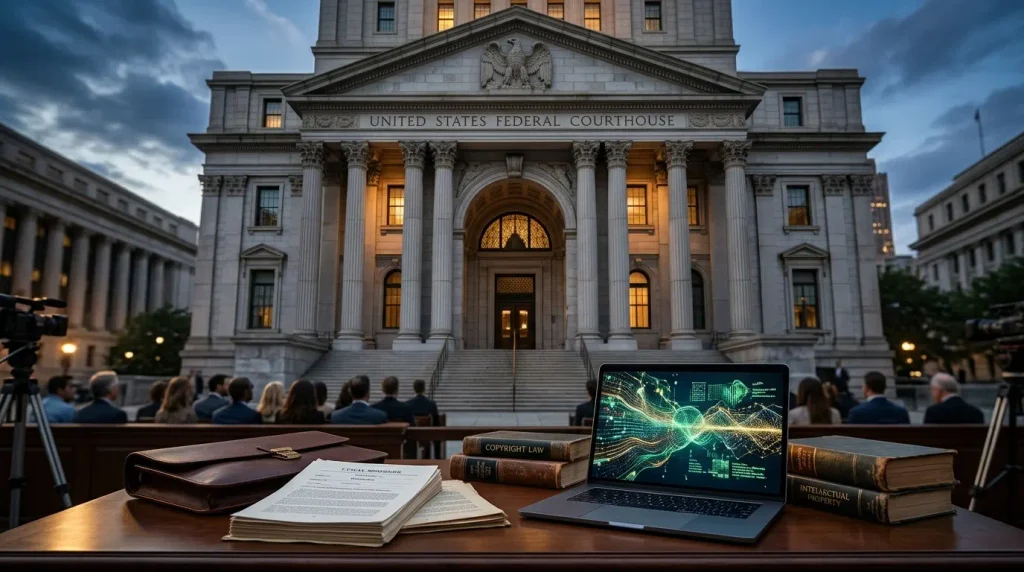
Courts Are Examining What Fair Use Means
U.S. copyright law evaluates fair use through several factors, including the purpose of the use, the nature of the original work, the amount copied, and the effect on the work’s market. AI cases are testing how these principles apply when copyrighted material becomes training data.
A significant development came on September 29, 2026, when the Third Circuit Court of Appeals upheld a ruling for Thomson Reuters in its dispute with Ross Intelligence. The case concerned copyrighted legal-research headnotes used to develop a competing AI-powered search product. It is an important appellate decision, although it does not automatically resolve the separate disputes involving generative AI. Reuters’ legal coverage reported the ruling.
Music and News Publishers Join the Fight
The conflict extends beyond books. On October 21, 2026, Anthropic and major music publishers argued in federal court over whether the use of copyrighted song lyrics to train its Claude chatbot qualifies as fair use. Publishers raised concerns about market competition, while Anthropic argued that training helps models understand language. The judge did not issue a ruling at the hearing, according to Reuters’ report on the music copyright dispute.
News publishers are also pursuing claims involving the collection and use of online journalism. Meanwhile, the consolidated OpenAI copyright litigation includes competing arguments over training practices, market harm, and whether the use of copyrighted works is transformative.
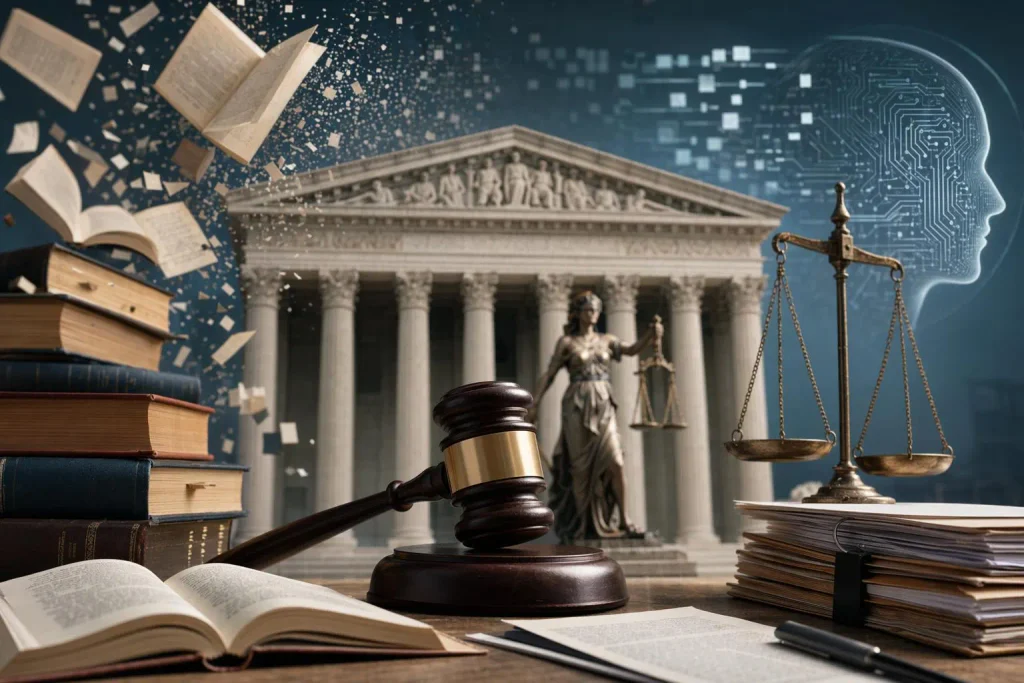
Will the Supreme Court Decide the Issue?
The Supreme Court could eventually be asked to resolve conflicting interpretations of copyright law. However, major cases remain at different stages in lower courts, and a nationwide ruling on generative AI training is not guaranteed. The Copyright Alliance case tracker provides an overview of ongoing litigation.
The outcome could influence licensing agreements, AI development costs, creator compensation, and access to digital content. The U.S. Copyright Office’s AI resources explain the broader policy questions surrounding copyright and artificial intelligence.
What Comes Next?
For now, companies and creators face an evolving legal landscape rather than a single definitive rule. Future rulings will help determine when AI training is lawful, when licensing may be necessary, and how copyright protections apply to emerging technologies. The stakes extend across publishing, journalism, music, and the future economics of digital creativity.
#AICopyright #DataScraping #DigitalCopyright #ArtificialIntelligence #BigTech #FairUse #CopyrightLaw #AuthorsRights #TechNews