

Apple after Tim Cook has entered a new chapter. On September 1, 2026, John Ternus officially became Apple CEO after Cook’s 15-year tenure. Cook remains involved as executive chairman, but the company’s daily leadership has changed.
Why John Ternus Is Taking Over
Ternus is hardly an outsider. He joined Apple’s product design team in 2001 and became senior vice president of Hardware Engineering in 2021.
According to Apple’s official announcement, Ternus has played major roles across the company’s hardware portfolio.
His experience includes iPhone, Mac, iPad, Apple Watch and AirPods. That background gives the new CEO unusually deep knowledge of Apple’s product-development process.
The iPhone Is Still Central
The phrase “post-iPhone era” can be misleading. Ternus does not appear to be planning an immediate retreat from Apple’s flagship product.
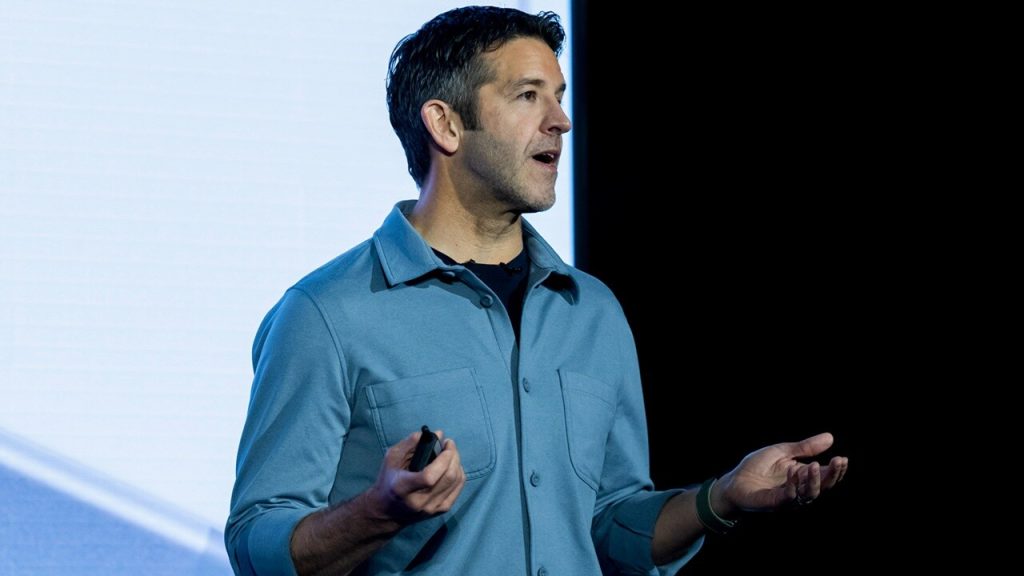
At his first major keynote as CEO, Ternus described the iPhone as a potential intelligent personal hub for the artificial intelligence era. Apple’s iPhone platform could therefore remain central even as the company expands into new technologies.
That strategy matters because the smartphone can connect Apple’s hardware, software and services ecosystem. AI could make that connection more useful without requiring consumers to abandon the device they already own.
AI May Be Ternus’ Biggest Test
Apple faces a different competitive environment than it did during much of Cook’s tenure. Generative AI has changed the technology industry, and Apple’s progress with intelligent assistants has attracted scrutiny.
Apple Machine Learning Research shows the company’s continuing investment in artificial intelligence. However, turning research into consumer products remains a separate challenge.
Recent reporting says Ternus is considering a more engineering-focused organization and faster product experimentation. Reuters reported that potential changes could reduce management layers and accelerate development.
What Comes After the iPhone?
The longer-term question is whether Apple can create another platform with the economic importance of the iPhone.
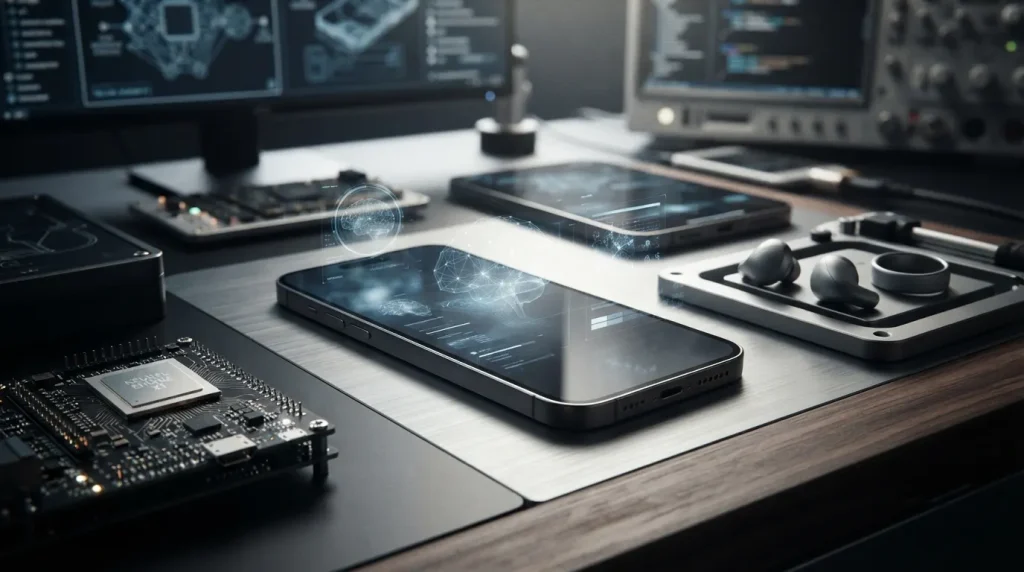
Wearables, spatial computing and AI-powered devices offer possible directions. Apple’s Vision Pro demonstrates the company’s willingness to enter new computing categories, although its commercial trajectory remains different from the iPhone’s.
The company’s services business also provides another growth engine. Apple Services includes the App Store, iCloud, Apple Music and other recurring offerings.
A New CEO With a Hardware Identity
Apple after Tim Cook therefore begins with an interesting contradiction. Ternus must help Apple diversify beyond the iPhone while simultaneously keeping the iPhone at the center of its ecosystem.
His background suggests a strong emphasis on engineering and product execution. The harder question is whether that approach can produce Apple’s next major computing platform.
For now, the transition is less about abandoning the iPhone than redefining what the iPhone can become. Under Ternus, Apple’s next era may depend on whether hardware, AI and services can evolve into one connected platform.