


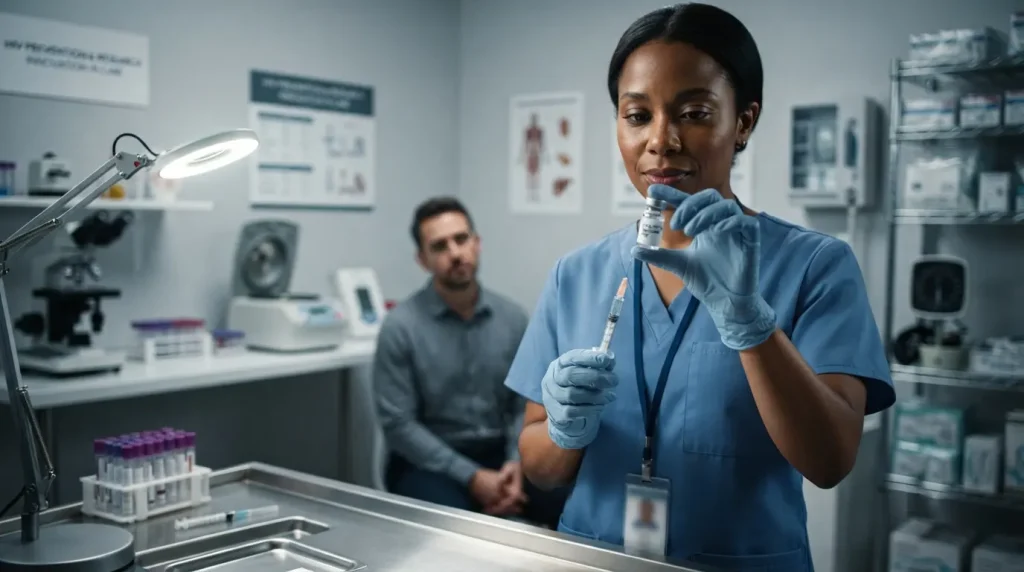
The twice-yearly HIV shot is changing the conversation around HIV prevention. Lenacapavir requires only two injections a year and has demonstrated exceptionally high effectiveness in clinical trials. Yet the scientific breakthrough has created a new question: who will actually be able to receive it?
A Major Change in HIV Prevention
The World Health Organization recommends injectable lenacapavir as an additional pre-exposure prophylaxis, or PrEP, option.
The twice-yearly schedule could help people who struggle with daily pills, stigma or frequent healthcare visits. The CDC also strongly recommends twice-yearly injectable lenacapavir for people who could benefit from HIV PrEP in the United States.
The Price Creates a Second Story
Access is not simply a medical question. It is also an economic one.
UNAIDS reported that agreements with generic manufacturers could eventually reduce the prevention price to about $40 per person per year in eligible countries.
That figure is dramatically different from the U.S. cost of branded lenacapavir. U.S. HIV treatment guidance lists a much higher price for lenacapavir used in treatment.
Who Is Receiving It?
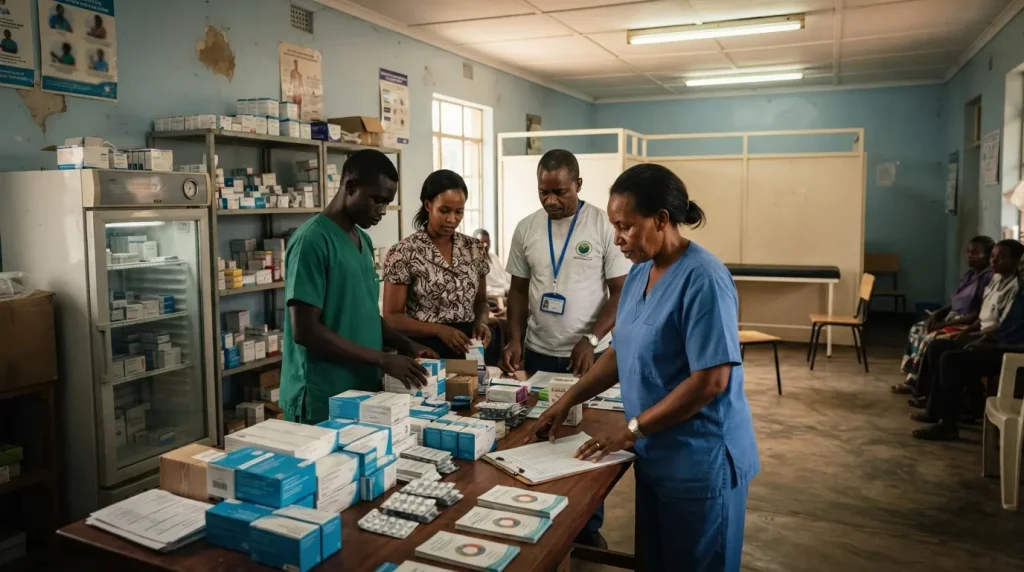
Rollouts are already expanding. UNAIDS reported deliveries to countries including Kenya, Nigeria, South Africa, Uganda, Zambia and Zimbabwe.
In April 2026, the organization said the Global Fund and the United States had increased their ambition to reach 3 million people with lenacapavir by 2028. However, UNAIDS also called for more generic manufacturing and technology transfer, particularly in Africa.
Access Is Expanding, But Unevenly
Latin America provides another example. In September 2026, the Pan American Health Organization announced a procurement pathway for 14 countries.
The agreement covers countries including Brazil, Mexico, Argentina and Peru. PAHO says the mechanism complements existing voluntary licensing arrangements and could improve regional access.
Still, regulatory approvals, healthcare infrastructure, procurement systems and manufacturing capacity all affect how quickly the medicine reaches people.
The Real Test Comes After the Breakthrough
The National Institutes of Health continues to support research into long-acting HIV prevention and treatment.
Lenacapavir shows what modern HIV prevention can look like: fewer doses, strong protection and an option that may fit people’s lives better. But a breakthrough only changes public health when people can obtain it.
The next phase will therefore depend on manufacturing, pricing, financing and delivery. The twice-yearly HIV shot may be one of the most important new prevention tools in years. Whether it becomes a global public-health milestone will depend on how broadly access expands.
#HIV #HIVPrevention #Lenacapavir #PrEP #AIDS #GlobalHealth #HealthcareAccess #MedicalBreakthrough #PublicHealth